
At the centre of this effort is 35-year-old Noorzareena Norya.
Armed with a university degree, she could have built a career elsewhere. Instead, she chose to return home, determined to preserve a traditional weaving craft passed down through her family.
A member of the Semelai Orang Asli community, she said the decision was driven by both passion and a sense of responsibility to keep the heritage alive.
“My father began weaving on a small scale before turning it into a source of income for the family, and now I have taken over,” she told Bernama recently.
“To me, this is not just about continuing a family legacy; it’s also a responsibility to ensure that Semelai weaving remains alive and recognised, especially among the younger generation.”
Having obtained a bachelor’s degree in records management, Noorzareena returned to her village and has been running the weaving business full-time for the past seven years.
For her, the beauty of the craft lies not just in the finished products, but in the process itself – one that begins long before any weaving takes place.
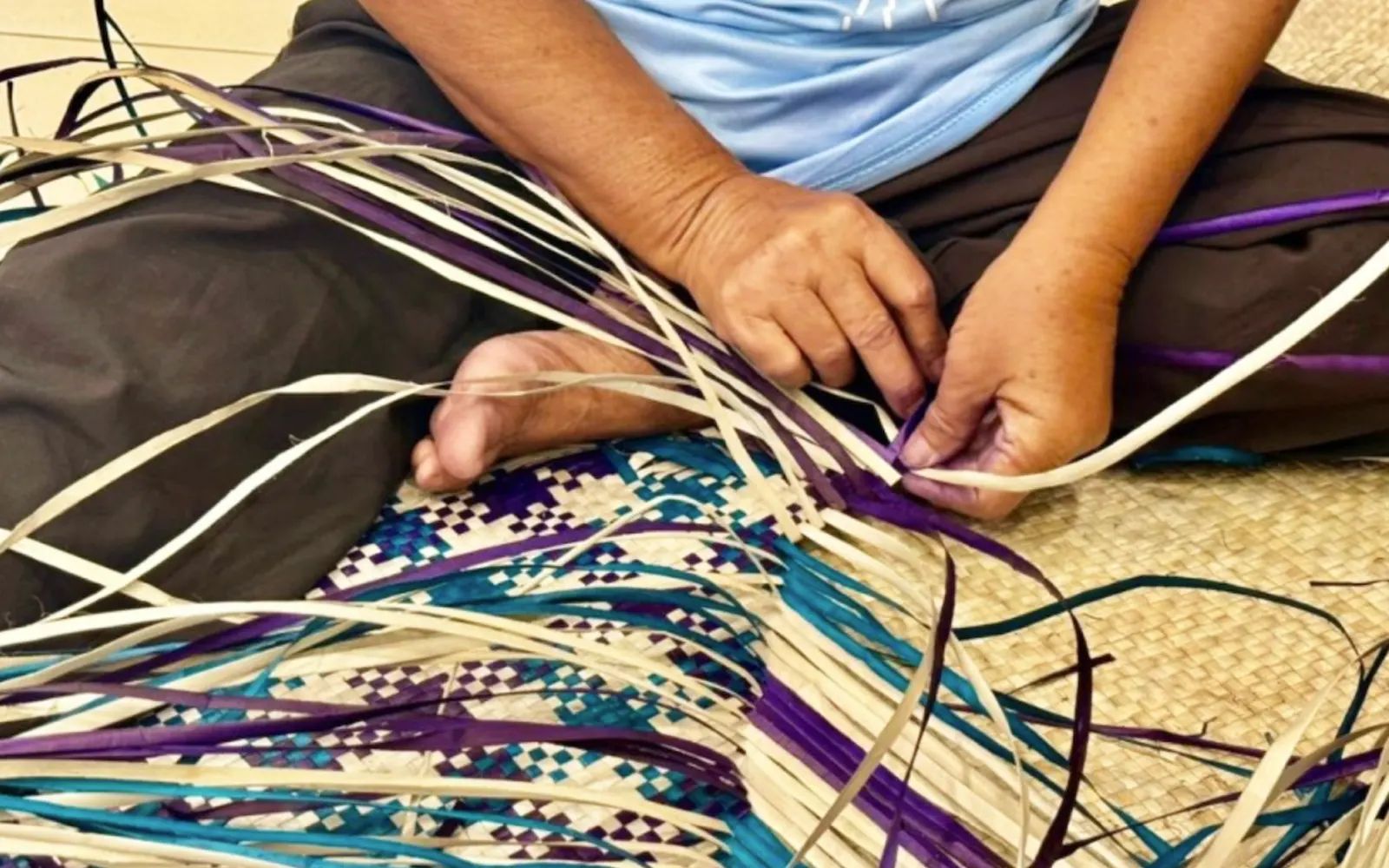
Mengkuang plants must first be cultivated, a process that takes about two years before the leaves are ready to be harvested.
From there, the leaves go through several stages, including removing thorns, stripping, boiling, soaking, drying and dyeing. Only then can the weaving begin.
Noorzareena’s creations range from practical items such as mats, coin purses and book covers to decorative accessories like hair bands, fridge magnets and keychains.
She added that the time needed to complete each item depends on its design, with a woven mat typically taking about a week.
Prices start from about RM10 and can go up to several hundred ringgit, with mengkuang mats among the most valuable.
The youngest of seven siblings, Noorzareena now manages the family business under the brand Semelai Heritage Tasek Bera, and is supported by fellow Orang Asli artisans.
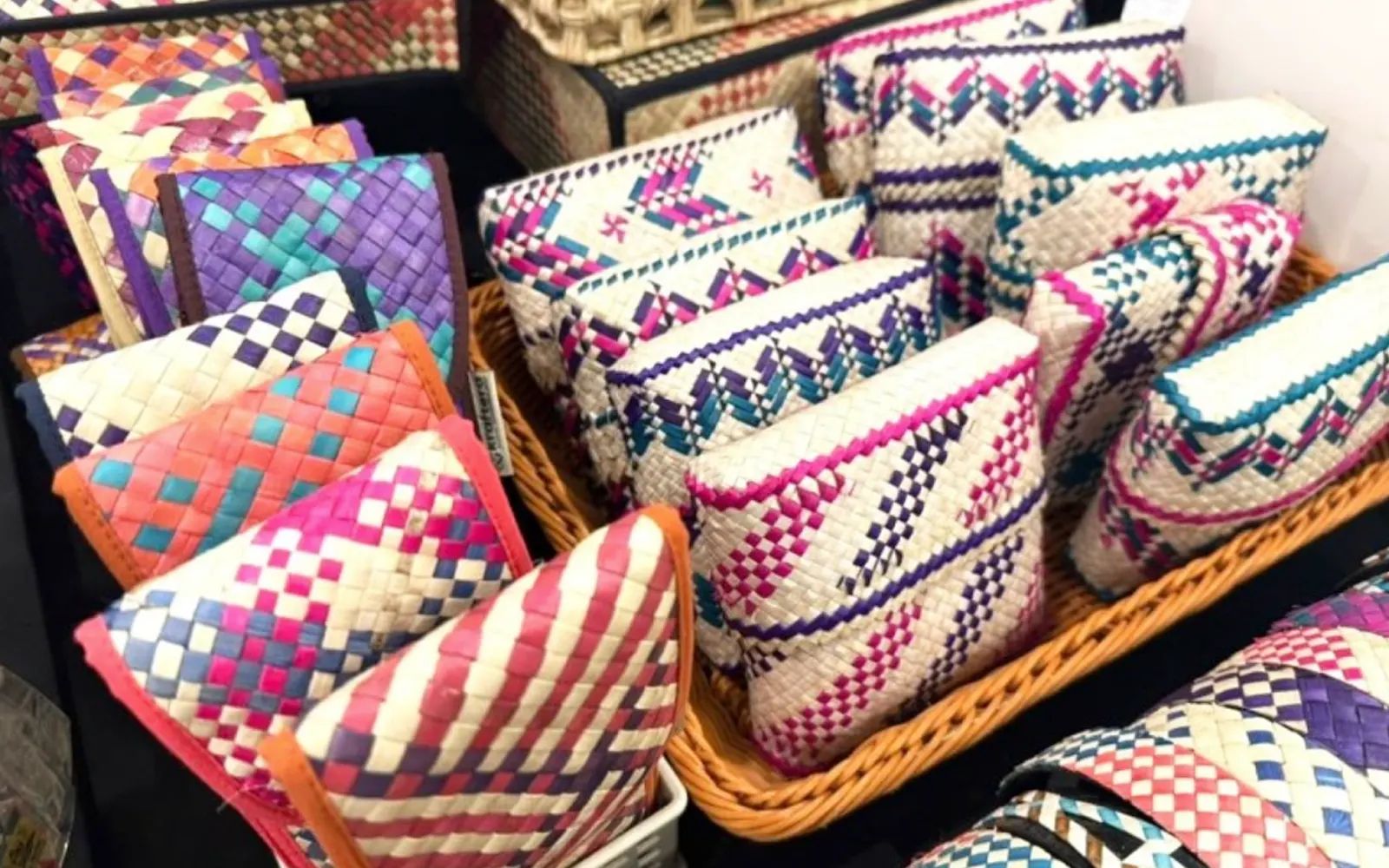
“At times, I cannot manage everything alone as I also oversee the workshop and sales gallery. I have three full-time weavers, while others help during peak production,” she explained.
In Pos Iskandar, weaving has become part of daily life. Many villagers tap rubber during the day and turn to weaving in the evenings, using the mengkuang leaves she supplies.
Encouragingly, the craft is no longer confined to older generations: younger members of the community are beginning to take part, drawn by both its cultural significance and its potential as a supplementary source of income.
For Noorzareena, that growing interest offers hope that the tradition will continue, not just as a livelihood but as a living part of Semelai identity.