From CY Ming
Most Malaysians are unclear about insurance coverage for road vehicles, let alone passenger boats.
A good understanding of how insurance works on the road is necessary to ensure boat passengers are also adequately covered.
I am not in favour of using the word “protection”, which, though favoured by insurance companies, gives a false sense of security.
Real protection comes from safer roads, weather, vehicles, equipment and drivers, and not from insurance policies which few read or fully understand.
I will choose to travel in an uninsured vehicle that is safe over a fully insured jalopy that is not.
At best, the insurance company can only partially compensate the victim. It cannot replace what is lost.
It is worthwhile to examine the various types of insurance for passengers of public service vehicles such as taxis, tour vans and buses.
Basically, there are three main types.
First, there is life insurance, which the insurer pays out in the event of the insured’s death or permanent disablement, caused by illness or accident.
These insurance policies are usually bought by the insured and, in rare cases, by the company for a key partner crucial to the business.
Second, there is personal accident insurance (PAI), which is renewed yearly or for a short term, such as for travel.
PAI normally provides compensation for injuries, disabilities and death incurred in an accident.
But the medical expenses cover are often overlooked, resulting in the victim having to fork out his own money when treated in private hospitals for severe injuries.
The third is public liability insurance, which few companies bother to take out.
In Malaysia, the law requires all motor vehicles to be insured for third party injuries, and all public service vehicles for passenger liability.
For example, if a tour van lands in a monsoon drain and no other vehicle is involved in the accident, the driver is clearly at fault.
If the injured files a civil suit, they will have to wait several years before they are awarded compensation by the court.
Moreover, it is normal for such cases to be postponed several times.
It is hard for locals to wait that long, what more if the injured are foreigners.
But if a runaway lorry were to crash into the van, those injured would have to sue the lorry driver at fault.
It would be a fruitless exercise if the vehicle was a “lori hantu” (unlicensed lorry) without third party insurance cover.
In Malaysia, large numbers of people are driving or riding motorcycles without a licence and without road tax and insurance for the vehicle.
Most vehicles licensed under “Hire & Drive” are also not insured for legal liability to passengers when used for chauffeur driven services.
Taxis and buses that are insured for passenger risk cover are required to adhere strictly to the terms and conditions stipulated in the insurance policy.
For example, the insurance cover is null if the vehicle driver was driving under the influence of drugs or alcohol.
In the event of an accident, drivers are required not to admit fault but hardly anyone knows this.
Drivers of tour vans and buses should be told and reminded that they should not make police reports on their own without first consulting a superior well-versed in insurance requirements and writing police reports.
Should the insurance company choose to repudiate the claims if terms and conditions are breached, it will not help the vehicle owner and driver, least of all the injured victims.
Cases can also be further complicated when accidents are caused by vehicles that flee the scene leaving no trace of their identity, such as the case of a woman killed by a wheel that flew off a passing lorry in Manjung, Perak.
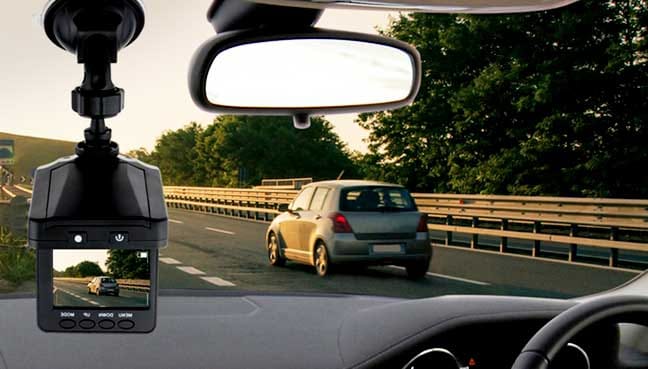
It is a good idea for more vehicles to be fitted with a camera on the dashboard and even one in the rear.
If the authorities act on offences captured by these cameras, our roads would be a much safer place.
Insurance companies should champion this as it would lead to fewer accidents and claims.
CY Ming is an FMT reader
With a firm belief in freedom of expression and without prejudice, FMT tries its best to share reliable content from third parties. Such articles are strictly the writer’s personal opinion. FMT does not necessarily endorse the views or opinions given by any third party content provider.