
Although this auspicious day is now over, there is still some merriment to be had, as today marks one other cultural festivity.
While most Malaysians do not celebrate it in a big way, the young and partygoers find some appeal in the trappings of Halloween. After all, it is a great time to spend out partying with friends whilst dressed to the nines in either silly or elaborate costumes.
To that end, many bars and clubs have embraced the Western holiday, decorating their premises with tacky seasonal props.
Given that most Malaysians are unaware of its origins, there tends to be widespread misconceptions about this spooky event.

In reality, Halloween has a somewhat mundane but still interesting backstory that stretches back to centuries ago.
For one, the word “Halloween” is actually the combination of “hallow” and “een”, the former meaning “holy person” and the latter “eve”.
The first people to celebrate Halloween were the Celts, who resided in much of Europe during ancient times.
Rather than the modern holiday of Halloween though, they celebrated Samhain, a three-day festival centred around themes of death and rebirth.
For the Celts, Samhain marked the end of the summer, and in modern Irish, it literally means “summer’s end”.
Somewhat similar to the Chinese Hungry Ghost Festival, people paid their respects to deceased loved ones during Samhain and invited them to the mortal realm for a time.
Roman historians were actually responsible for recording much of the currently available information on Samhain.

Among their writings, they shared how the Celts would wear animal costumes to hide themselves from hostile spirits.
They also wrote on how the Celts would feast extensively during Samhain and hollow out gourds to use as lanterns – the origins of the modern jack-o-lantern perhaps?
With humans being humans, people back then also played pranks on others, often blaming the spirits for any mishaps.
However, the Roman expansion into Celtic lands eventually saw this culture suppressed.
As Christianity spread, many Celtic pagan traditions were consequently adapted, in order to not antagonise potential converts.
Sacrifices to the dead were swapped with food donations to the poor, while tricks and practical jokes were blamed on the saints rather than on spirits.
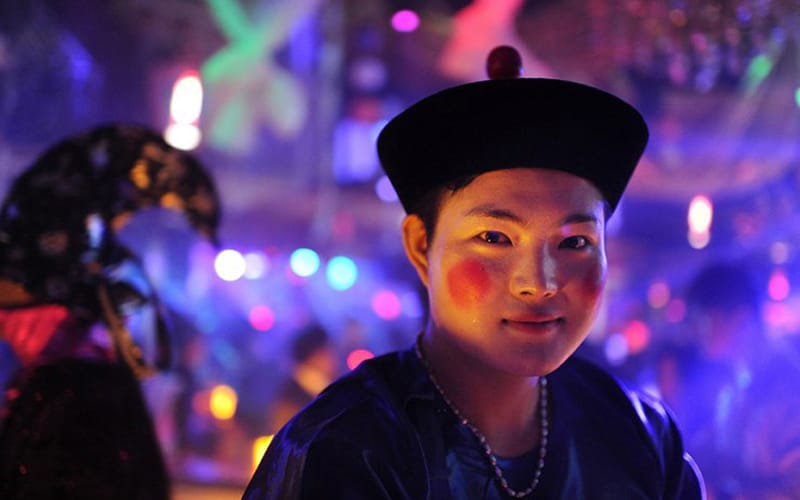
Thus, Samhain would go on to become All Saints Day, also known as Hallowmas, meant to celebrate holy figures in Christianity.
With Hallowmas being celebrated on Nov 1, it thus only made sense that the day before Hallowmas, Oct 31, got the name Halloween.
As many might have observed, Halloween is observed more in the US than in Europe.
Funnily enough, during the early days of American colonial history, Halloween was seen as heretical by devout colonisers, and its celebration was forbidden.
However, a natural disaster overseas changed this perception, as many Irish immigrants moved to America to escape famine.
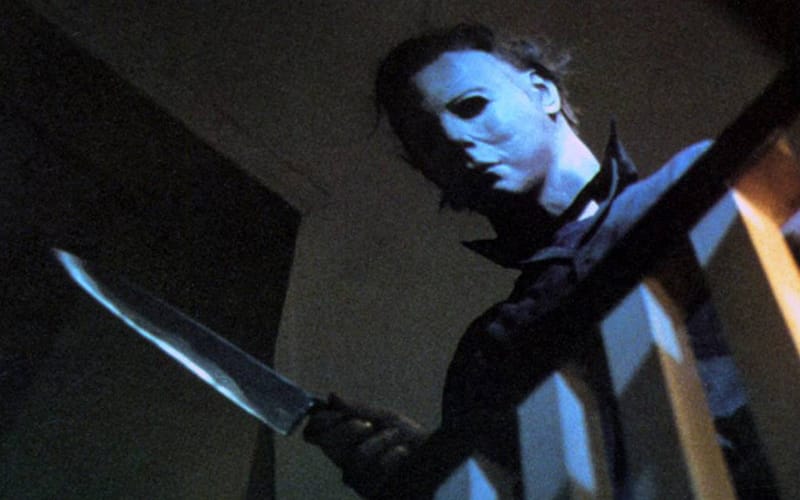
They brought with them their Halloween traditions which would come to form the backbone of today’s iteration.
The holiday was largely celebrated by children, who would go around extorting neighbours for candy in return for not messing up their houses. To avoid getting caught, masks were frequently worn by the pranksters, the start to a still-practised Halloween tradition.
Unsurprisingly, businesses knew an opportunity when they saw one and a Halloween industry soon began taking root.
By the 20th century, adults were observing the holiday just as much as children, with the entertainment industry cranking out horror films come October.
While Halloween is largely an American celebration, cultural diffusion has resulted in communities overseas embracing the holiday.
This is most prominent in Hong Kong and Japan, where young folks enjoy the holiday as a time to have fun with family and friends.
Even though its reception in Malaysia remains somewhat limited, there’s no mistaking that this ancient celebration is likely here to stay, albeit in a low-key form.