The annual Central Economic Work Conference is closely watched by observers for signs of future economic policy directions, though specific measures are not typically announced until early the following year.
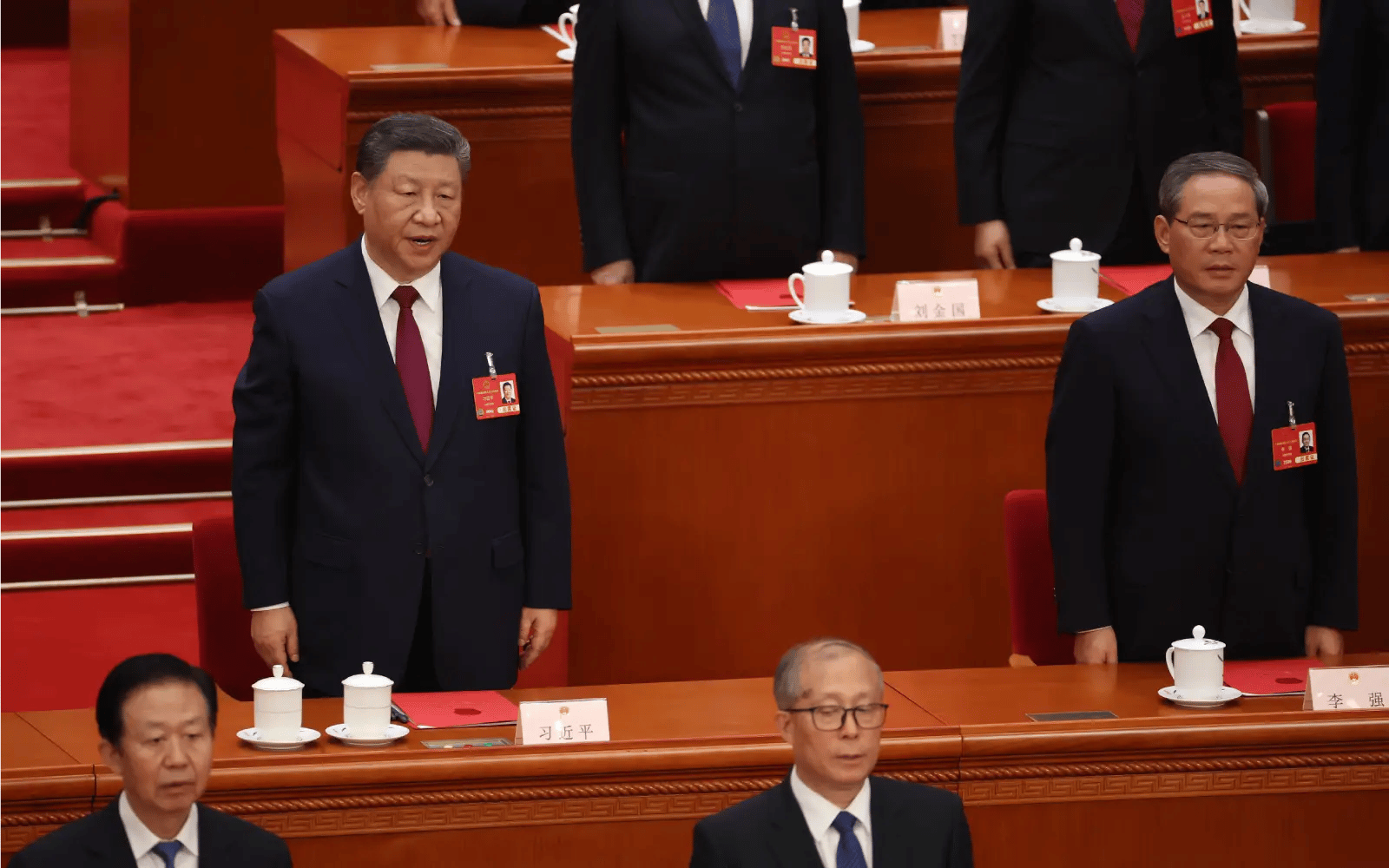
Top leaders including President Xi Jinping and Premier Li Qiang attended this year’s meeting held on Wednesday and Thursday, vowing to “continuously expand domestic demand” in the year ahead, state broadcaster CCTV said.
The meeting determined that a key task for the country would be to “adhere to domestic demand as the main driver and build a strong domestic market,” CCTV said.
Beijing will also focus on “stabilising the real estate market, implementing city-specific policies to control new supply, reduce inventory, and optimise supply”, it added.
China has struggled to maintain a strong economic recovery from the pandemic, as it fights a debt crisis in its massive property sector, chronically low consumption and elevated youth unemployment.
Leaders at the economic conference vowed to “expand job opportunities, improve employment quality, and stabilise employment for key groups such as college graduates and migrant workers,” CCTV said.
CCTV reported that leaders agreed to also “thoroughly” address “involutionary” competition – a popular term used to describe the intra-industry race to outcompete that ends up nowhere.
Economists have long called for Beijing to shift towards a growth model powered more by domestic spending than traditional engines of past decades, including exports and manufacturing.
Despite heightened trade headwinds this year during the second term of US President Donald Trump, China’s exports have been booming.
Official data showed this week that the manufacturing powerhouse’s trade surplus this year has already surpassed US$1 trillion – a historic milestone.
The International Monetary Fund (IMF) and other international institutions this week revised upwards their growth forecasts for China this year.
The IMF’s boost of 0.2 percentage points brought its outlook to 5% – in line with Beijing’s own goal.
While Chinese exports fill global shipping lanes, official data on Wednesday showed that domestic demand remains stuck in a rut.
Factory gate prices in November fell 2.2% year-on-year, marking the 38th consecutive month in negative territory.
While resilient exports have offered Beijing a vital economic lifeline, the imbalance has ruffled the feathers of some key trading partners.
After concluding a state visit to China last week, French President Emmanuel Macron said over the weekend that Europe may be forced to take strong measures, including tariffs, if Beijing’s gaping trade surplus with the continent is not addressed.