The Fund’s mission approved the latest tranche of its four-year US$2.9 billion bailout, provided officials restore cost recovery in energy pricing, among other conditions.
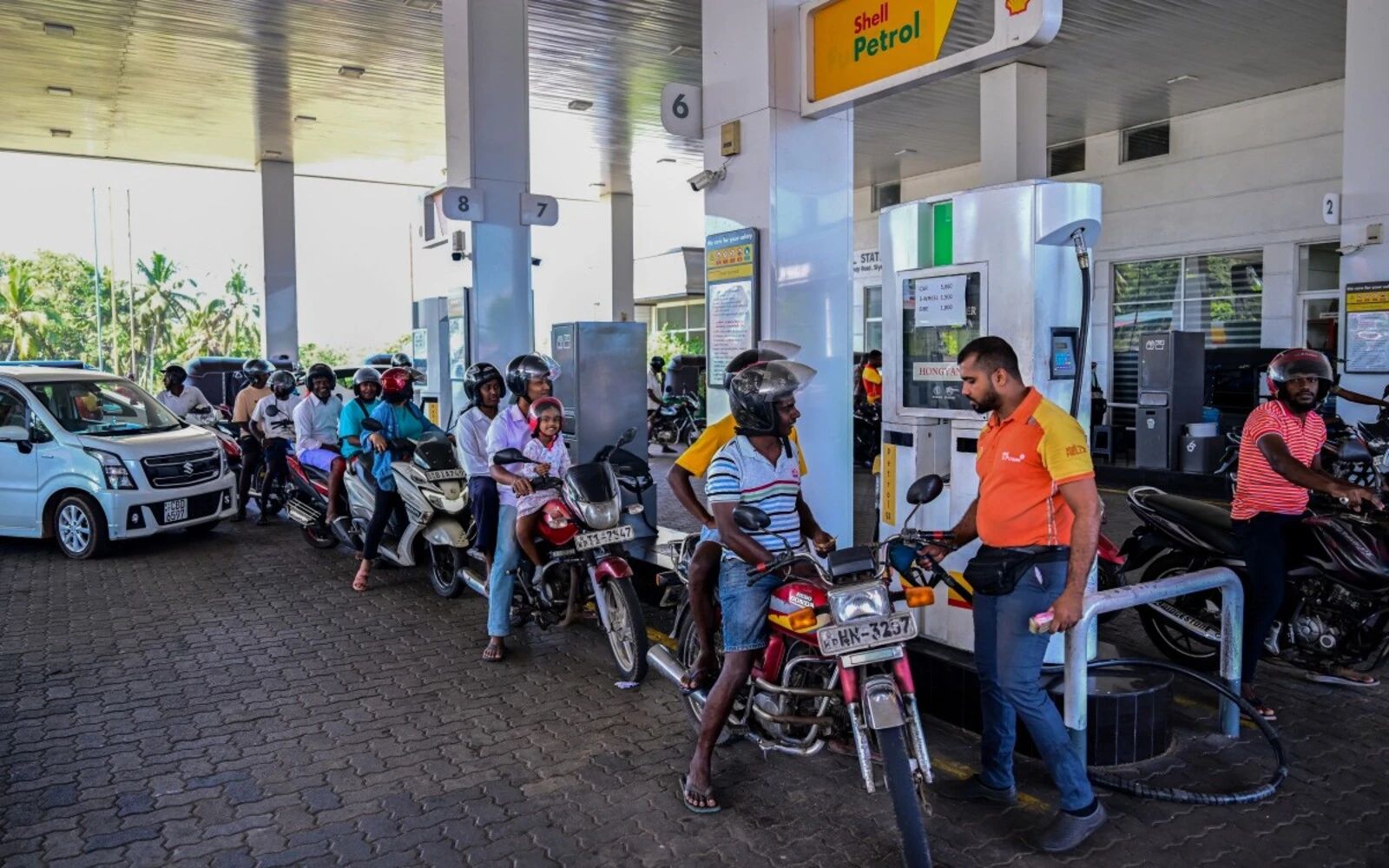
The government has said it will spend nearly US$200 million on fuel subsidies after an energy crunch caused by the Iran war forced it to raise retail prices by a third, in line with global trends.
The IMF is opposed to general energy subsidies, and wants Colombo to ensure cost recovery in electricity prices, which are subsidised for smaller consumers.
“Sri Lanka is significantly exposed to the Middle East conflict, which has heightened energy prices, disrupted a key air hub for tourists, and affected Sri Lankans working in the region,” the IMF said in a statement.
It emphasised the “urgency of accelerating reform momentum to safeguard macroeconomic stability”.
Colombo had been on the verge of drawing an IMF instalment of US$340 million when it was hit in November by Cyclone Ditwah, the island’s worst natural disaster in two decades that killed at least 641 people and made thousands homeless.
The World Bank estimated infrastructure damage at US$4.1 billion, and the government requested the IMF give it a US$206 million emergency loan for disaster relief instead.
Sri Lanka’s economy suffered its worst recession in 2022, contracting 7.3%, when then-president Gotabaya Rajapaksa resigned after months of street protests.
The leftist administration of president Anura Kumara Dissanayake, who came to power in late 2024, has retained many of the austerity measures and high taxes introduced by his predecessor.