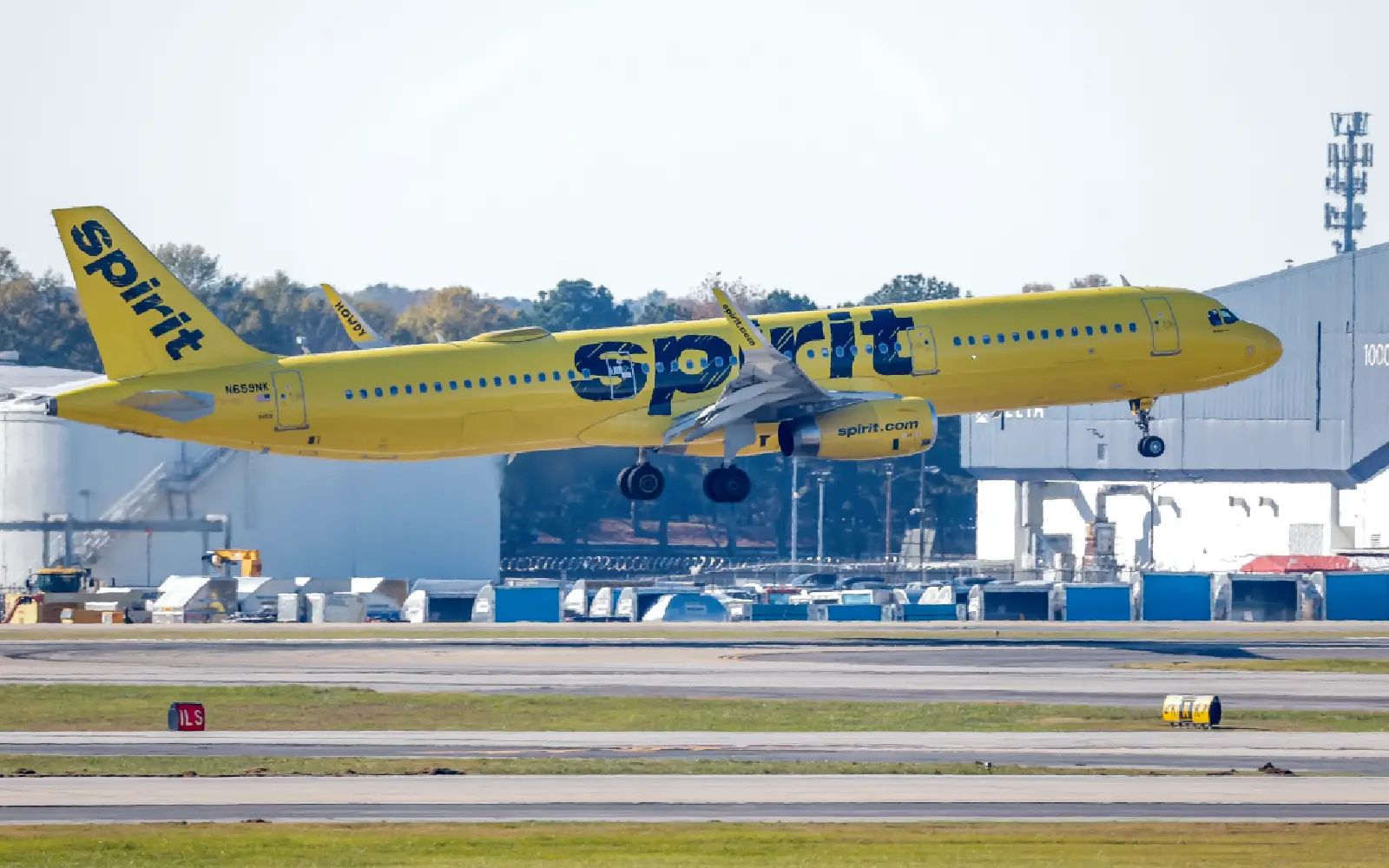
A Spirit board meeting ended without an agreement to rescue the company, one of the people said.
The collapse of Spirit will result in thousands of lost jobs and marks the first airline to fail in part due to a doubling in jet fuel prices during the two-month-old Iran war. It is a blow to President Donald Trump, who had proposed US$500 million to save Spirit despite opposition from some of his closest advisers and many Republicans in Congress.
No US carrier of Spirit’s size – it accounted for 5% of US flights at one point – has liquidated in two decades. Spirit helped keep fares lower in markets where it competed against major carriers.
Transportation Secretary Sean Duffy told Reuters he had tried to get many airlines to buy Spirit but found no takers. “What would someone buy?” Duffy asked. “If no one else wants to buy them, why would we buy them?”
The company will proceed with an orderly wind‑down, halting flights overnight, repositioning aircraft for return and sending crews home, one of the people said.
“The Trump Administration made an extraordinary effort to try and save Spirit, but you can’t breathe life into a corpse. Given that, the company should make its intentions clear for the sake of its customers and employees,” a creditor close to the deal said.
A company spokesperson declined to comment on ongoing discussions.
President Donald Trump said on Friday the White House had given Spirit and its creditors a final proposal to try to rescue the bankrupt airline.
The White House had contacted other airlines to discuss how to accommodate people with Spirit tickets. United Airlines, American Airlines, Frontier Airlines and JetBlue said on Friday they were preparing to support Spirit customers.
Association of Flight Attendants President Sara Nelson said Spirit’s fate was in Trump’s hands and a shutdown could cost nearly 20,000 jobs. “If you’re in charge POTUS then make it happen now,” she said on X.
Trump said last month that his administration was looking to buy the embattled carrier at the “right price.”
Sources said that the administration had proposed US$500 million in financing in exchange for warrants equivalent to 90% of Spirit’s equity.
There had been disagreements inside the Trump administration over whether and how to fund the bailout, the Journal report said, citing people familiar with the matter.
Not all Spirit bondholders were on board with the deal.
Spirit’s volatile over-the-counter stock was last down 25% on Friday. Shares of rival Frontier Airlines rose 10%, while JetBlue Airways gained 4%.
Spirit had reached a deal with its lenders that would have helped it emerge from its second bankruptcy by late spring or early summer. But those plans derailed after the war triggered a spike in jet fuel prices, upending Spirit’s cost projections and complicating its bankruptcy exit.
The carrier built its turnaround plan on jet fuel costs averaging about US$2.24 per gallon in 2026 and $2.14 in 2027, according to March disclosures. By the end of April, prices had climbed to around US$4.51 a gallon, double the level assumed in its projections.