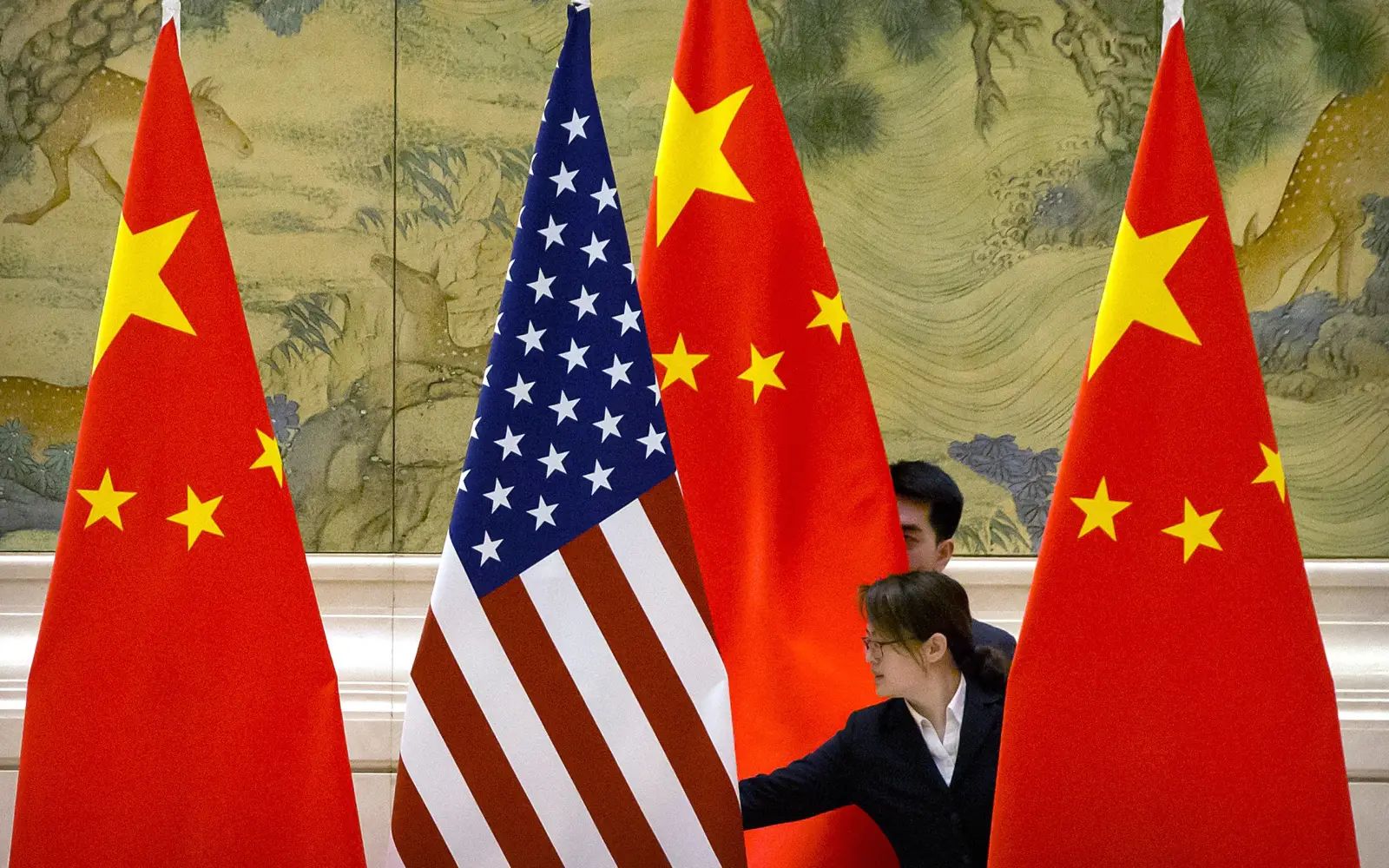
The agreements are “preliminary” and will be “finalised as soon as possible,” the ministry said following US President Donald Trump’s visit.
China’s farm imports from the US still face an additional 10% levy after last year’s rounds of tit-for-tat tariffs sharply curtailed trade, which fell 65.7% year-on-year to US$8.4 billion in 2025, according to US agriculture department data.
The commerce ministry said both sides aim to promote two-way trade, including in agricultural products, through measures such as reciprocal tariff reductions across a range of goods. It did not specify which products.
China resumed purchases of some US farm goods after an October meeting, fulfilling a US-stated commitment to buy 12 million metric tonnes of soybeans by the end of February.
It has also purchased some US wheat cargoes and large volumes of sorghum.
Market watchers expect a 10% cut in soybean tariffs, which could allow private Chinese crushers to resume purchases that were largely sidelined during last year’s US harvest, when state crop traders were the only buyers.
“Tariff reductions on agricultural products would mark a normalisation of China-US farm trade, allowing commercial buyers to re-enter the market,” said Johnny Xiang, founder of Beijing-based AgRadar Consulting.
The ministry said both sides agreed to “resolve or make substantive progress” on non-tariff barriers and market access issues.
“China will work to address US concerns over registration of beef facilities and poultry exports from certain US states,” it said.
Beijing on Friday granted five-year registration extensions to 425 US beef plants that had largely been shut out after their registrations lapsed last year, and approved new five-year registrations for 77 additional US facilities.
US agriculture secretary Brooke Rollins wrote in a post on X on Saturday that China agreed to implement beef commitments that include resuming imports from 17 US states.
US trade representative Jamieson Greer said on Friday the US expects China to buy “double-digit billions” worth of US farm goods over the next three years, although neither side has yet released details on specific products, values or volume.