The details, shared in a department of energy fact sheet, came days after Washington captured Venezuelan leader Nicolas Maduro, leaving his deputy and other allies in charge.
US President Donald Trump has since announced that the interim leaders have agreed to US-managed marketing of 30-50 million barrels of crude, repeatedly adding that his country will “run” Venezuela despite having no forces on the ground.
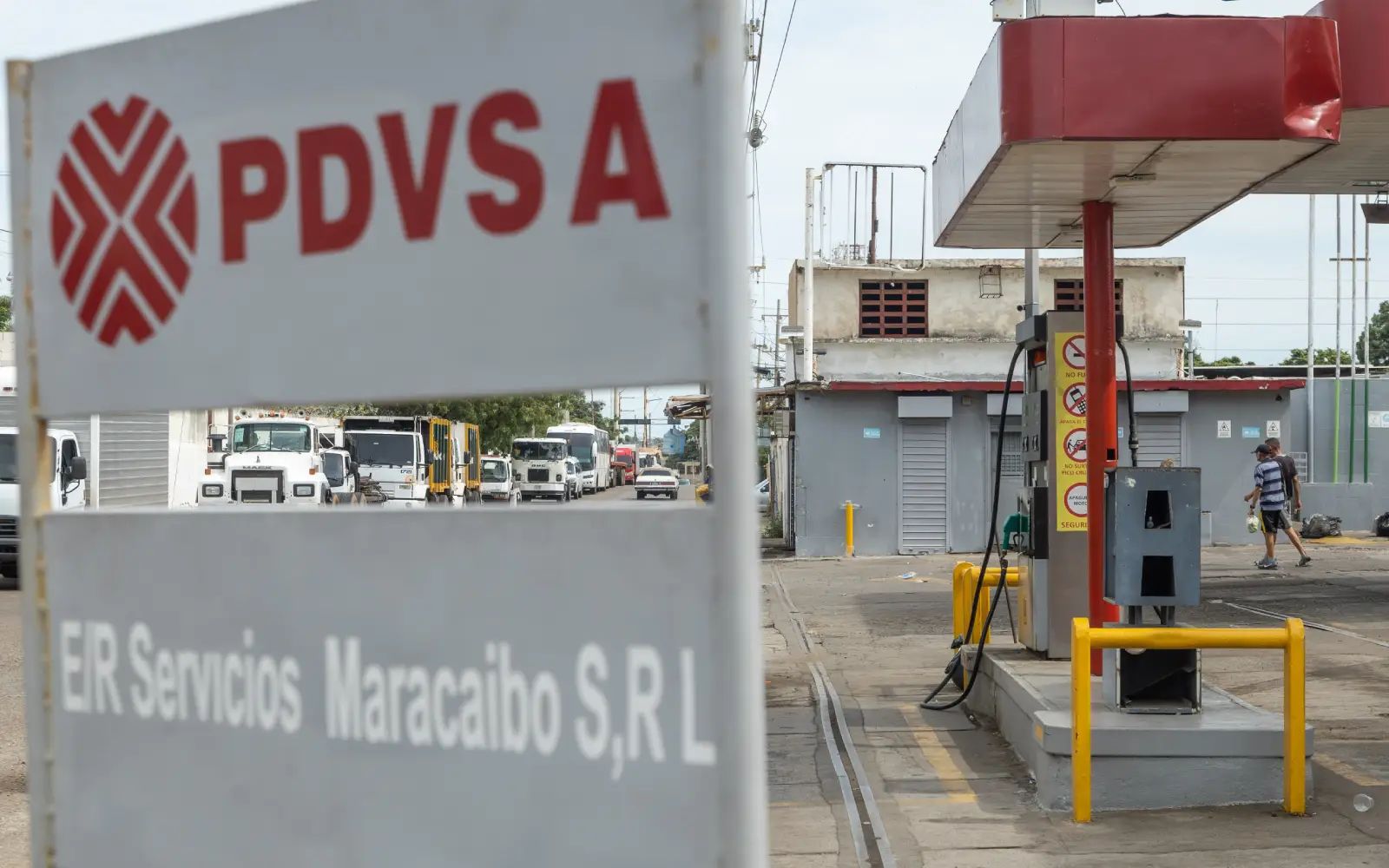
Venezuela’s state petroleum firm said Wednesday that talks for the sale of crude oil to the US had begun, following Washington’s demand for access to the country’s reserves after Maduro’s ouster.
“Negotiations are under way with the US for the sale of volumes of oil within the framework of existing commercial relations between the two countries,” the firm, PDVSA, said in a statement.
US energy secretary Chris Wright said Wednesday that Washington will control the sales of Venezuelan oil “indefinitely”, telling an event in Miami that it needed leverage and control of these sales to drive necessary changes in Venezuela.
Venezuela claims to sit on about a fifth of the world’s oil reserves.
US ‘discretion’
Already, the US government has started marketing Venezuelan crude oil internationally, the energy department noted on Wednesday.
It added that all proceeds from the sale of this crude oil and oil products will “first settle in US controlled accounts at globally recognised banks.”
“These funds will be disbursed for the benefit of the American people and the Venezuelan people at the discretion of the US government,” the department said, without providing further details.
The sales will also “continue indefinitely,” the fact sheet added.
Wright separately told CNBC the US was merely controlling the marketing and flow of funds into Venezuela, maintaining that the money will largely be used to benefit Venezuelan people.
“We’re not stealing anyone’s oil,” he added.
Meanwhile, US diluting agents will flow into Venezuela as needed to “mix, upgrade, and optimise” production of Venezuela’s very heavy crude.
Wright, a former oil and gas executive, said it would require “tens of billions of dollars and significant time” to get Venezuela’s production back to historical highs of over three million barrels per day.
Observers have also pointed out that a quick ramp-up of output would be hamstrung by issues including Venezuela’s creaking infrastructure, low prices and political uncertainty.
Sanctions rollback
For now, Washington is “selectively rolling back sanctions to enable the transport and sale of Venezuelan crude and oil products to global markets,” the energy department said.
Among other efforts, the US plans to authorise the import of certain oil field equipment, parts and services to Venezuela and said it would work to improve the electricity grid to aid oil production.
Separately, the White House told reporters Wednesday that the US has “maximum leverage” over Venezuela’s interim authorities.
Trump is expected to meet with US oil executives on Friday to discuss plans for Venezuela’s oil sector, press secretary Karoline Leavitt told a briefing.
On Saturday, US special forces snatched Maduro and his wife from Caracas and whisked them to New York to face trial on drug charges.
Washington appears to be relying on a naval blockade of Venezuelan oil exports and the threat of potential further force to ensure the cooperation of interim leader Delcy Rodriguez.