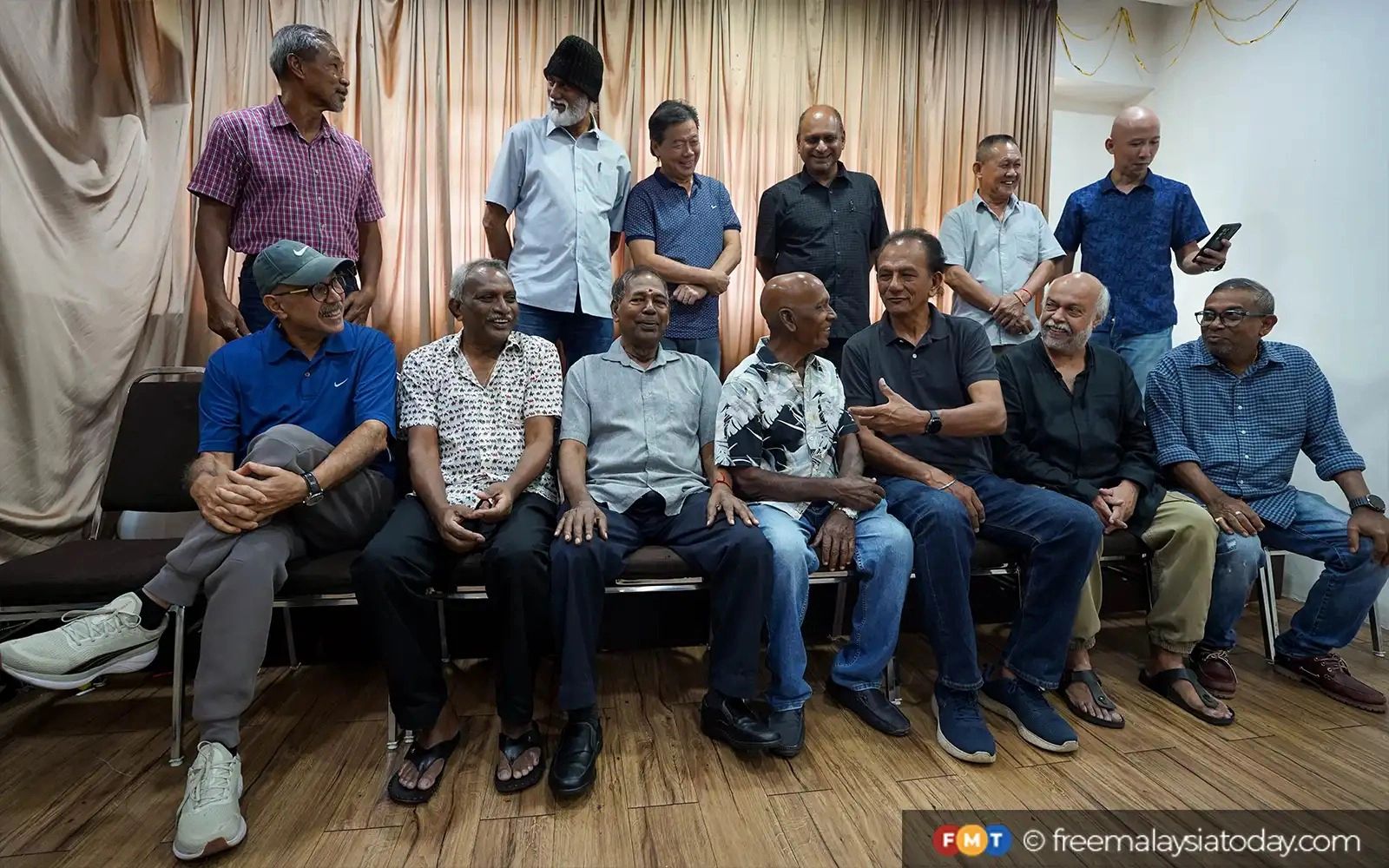
Operating under the banner Coalition for Renewal of Malaysian Hockey, the group brings together experienced voices from across eras, who say the game has reached a point where silence is no longer an option.
“This is about the future of Malaysian hockey,” the convenor Nicholas Das said after their first meeting earlier this week. “We have come together because we believe the sport needs a clear reset.”
Their emergence signals a shift in tone. What was once private frustration has now become organised, collective pressure for change.
That pressure has intensified in the wake of national coach Sarjit Singh’s removal, a decision that has triggered debate across the hockey fraternity.
But the coalition insists its concerns run deeper than one coaching change.
“It is not about one individual or one episode,” former Malaysia captain N Sri Shanmuganathan said.
“It is about whether Malaysian hockey is on the right path, and whether it has the structure and leadership to get there.”
The group has identified several priority areas that require urgent attention.
Governance sits at the top of the list. Members say clearer roles, stronger accountability and more transparent decision-making are essential if confidence in the sport is to be restored.
They also point to performance trends that raise concern. Qualification for major tournaments, they argue, should not mask recurring struggles against top teams.
“Results must be assessed honestly,” former Melaka player and coach Harban Singh said. “If the gap is widening, then the response must go beyond surface-level changes.”
Player development remains a central issue. The coalition notes that while the current national side leans on experienced names, the flow of younger talent has not kept pace with international demands.
It has called for a more coherent pathway linking grassroots, junior and senior levels, with consistent standards and better exposure to high-level competition.
Coaching standards form another pillar of the group’s push. Members want stronger emphasis on modern methods, performance analysis and data-informed planning, areas now considered basic requirements in elite hockey.
At the core of its proposals is a call for an independent review.
The coalition wants a panel with the authority to examine every layer of the sport — from leadership and high-performance planning to youth development and funding priorities.
“The review must be credible, time-bound and transparent,” said football and hockey icon V Kalimuthu. “And its findings must be made public.”
Beyond reform, the coalition has positioned itself as a partner in rebuilding the sport.
“We are not here to criticise from the outside,” said Michael Warren, a former Perak junior player and corporate strategist.
“We are ready to contribute with experience, ideas and a genuine commitment to help Malaysian hockey move forward.”
The formation of the coalition adds a new dimension to the ongoing conversation around the sport.
For the first time in years, a broad base of former players and coaches is organising itself not just to question decisions, but to shape what comes next.