The warnings came after Iran’s powerful chief negotiator said Tehran “had not even started yet”, after a spate of attacks in the crucial trade route by both sides on Monday threatened to reignite the Middle East war.
Iran’s Revolutionary Guards’ navy on Tuesday warned of a “firm response” if any ships diverged from its approved route through the strait.
Iran had on Monday fired missiles and drones at US forces, while Washington said it hit six Iranian boats it said threatened commercial shipping, in the sharpest escalation since a nearly month-long truce.
US Central Command “and the rest of the joint force remain ready to resume major combat operations against Iran if ordered to do so”, General Dan Caine told reporters.
“No adversary should mistake our current restraint with a lack of resolve.”
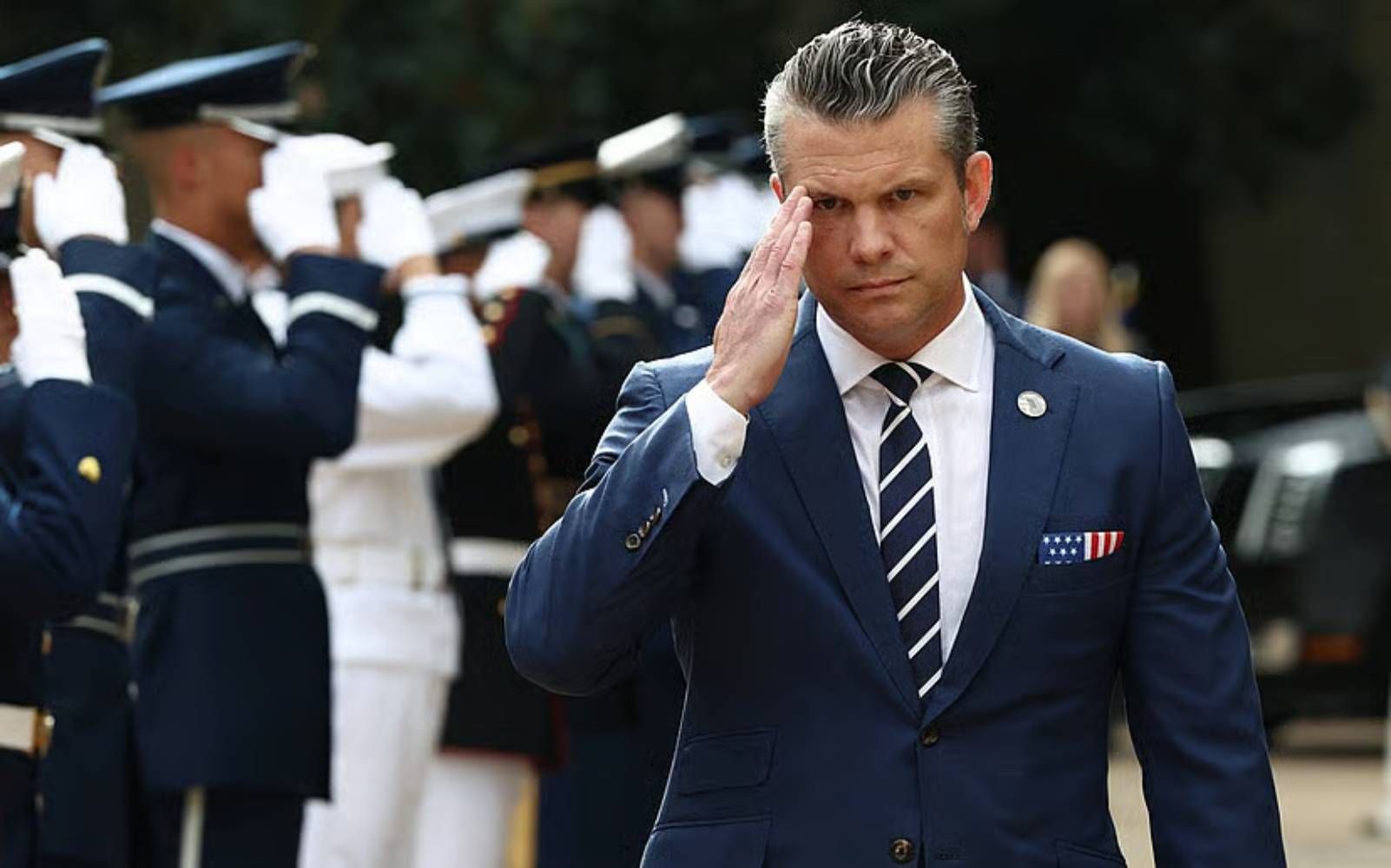
Pentagon chief Pete Hegseth had said the US was “not looking for a fight” in the strait but vowed that Iranian attacks would “face overwhelming and devastating American firepower”.
President Donald Trump urged Iran to “do the smart thing” and make a deal to end the war, saying even as the ceasefire teetered that he did not want to kill more Iranians.
He had earlier described the war as “a little skirmish”, arguing: “Iran has no chance. They never did. They know it.”
Iran’s parliament speaker Mohammad Bagher Ghalibaf, who has become a key figure in peace talks, said the status quo was “intolerable for America”.
The trading of fire in the waterway where the rivals are vying for control with duelling maritime blockades took place after Trump announced a plan to guide ships out of the Gulf.
The war, which erupted more than two months ago with US-Israeli strikes on Iran, has sent the economy into a tailspin despite a weeks-long ceasefire.
Ghalibaf said the actions of the US and its allies had put shipping security at risk, but said their “malign presence will diminish”, with Tehran vowing not to surrender control of Hormuz.
Iran’s President Masoud Pezeshkian reiterated that Tehran remained ready for dialogue, but said: “Our problem is that, on the one hand, the United States is pursuing a policy of maximum pressure against our country and, on the other hand, they expect Iran to come to the negotiating table and ultimately capitulate to their unilateral demands.”
“But such an equation is impossible,” he added.
Soaring energy costs for consumers due to the war have caused economic pain and created a headache for Trump months before midterm elections.
Washington’s European allies are also concerned that the longer the strait remains closed the more their economies will suffer.
“These attacks are unacceptable,” EU chief Ursula von der Leyen said on X, adding that “security in the (Gulf) region has direct consequences for Europe”.
German Chancellor Friedrich Merz also implored Tehran to “return to the negotiating table and stop holding the region and the world hostage”, echoing calls from French President Emmanuel Macron and British Prime Minister Keir Starmer.
Macron will speak with Pezeshkian later on Tuesday, he said.