One side points to concerns over injuries, durability and value for money. The other highlights international standards, performance and reliability.
Yet the strong response to recent reports suggests many readers are looking at something bigger.
The issue is no longer just about track surfaces or manufacturers.
It is about trust.
How do authorities assess major sports projects? What evidence supports key recommendations?
And how much information should the public see when taxpayers’ money is involved?
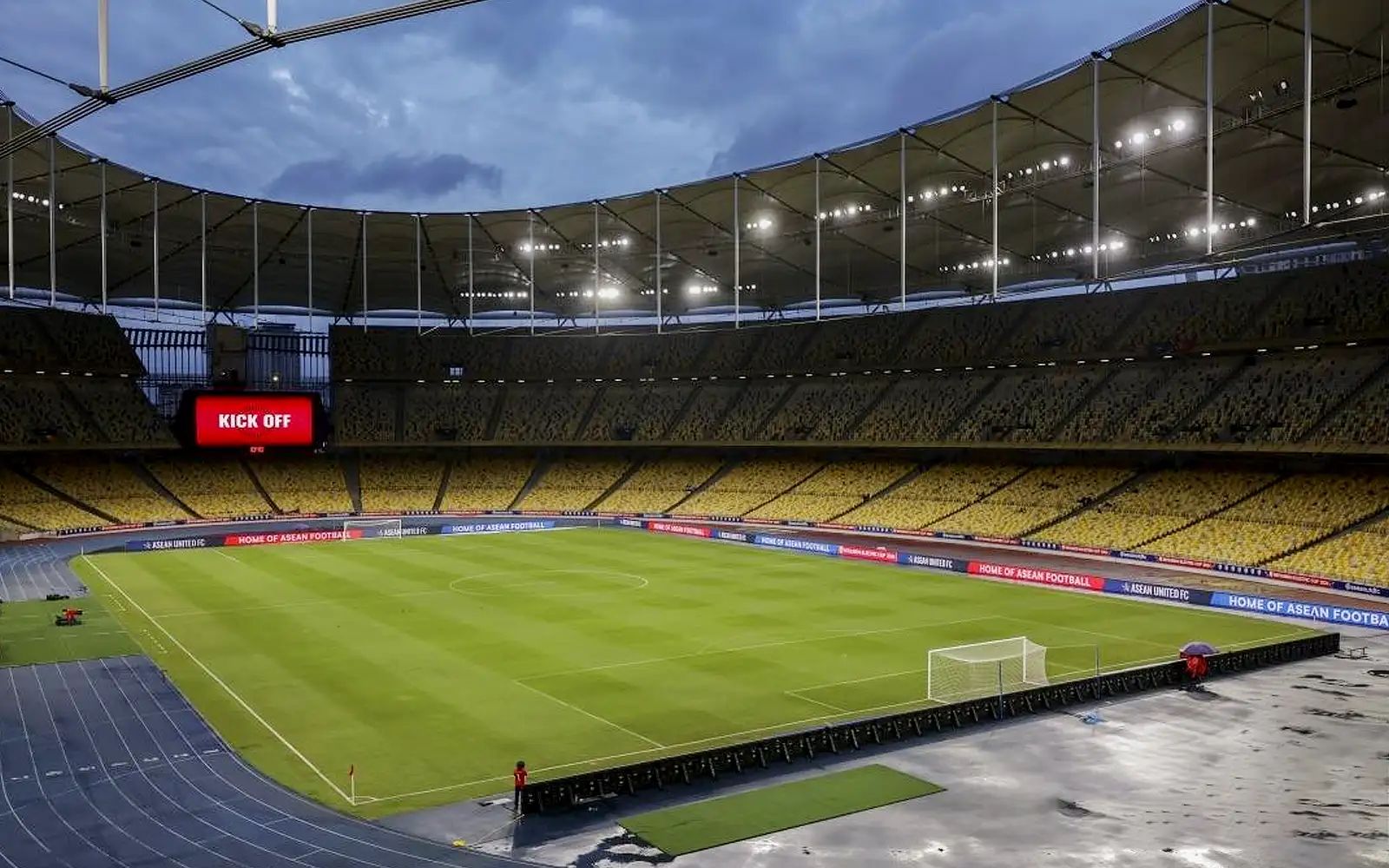
Those questions have come into sharper focus following scrutiny of the decision to replace the existing Mondo tracks at the national stadium and the national sports council’s mini stadium with a China-made JRace system.
Replacing an ageing track is not unusual. Sports facilities around the world upgrade surfaces as they wear out.
What has attracted attention is the case made for the replacement and the information available to support it.
A letter sent by Malaysia Athletics to youth and sports minister Dr Taufiq Johari earlier this year criticised the existing track and promoted lower-cost alternatives.
The federation said the surface was too hard, contributed to injuries and had deteriorated before the end of its expected lifespan.
It also argued that other certified systems could deliver similar standards at a much lower cost.
Those claims may prove correct.
However, many readers who contacted FMT focused on a different point. They wanted to know what evidence supported those conclusions.
They said public confidence today depends less on assurances and more on access to information.
RISE (Reform in Sport and Excellence) took a similar view.
The group said decisions involving public money should rest on evidence that can be examined and tested.
“People are not asking for perfection,” RISE spokesman Hamdi Jaafar said. “They are asking to understand how a decision was reached.”
That expectation is hardly unique to sport.
Industry observers note that governments increasingly require technical studies, cost analyses and independent assessments before approving major infrastructure projects.
The aim is not simply to choose the cheapest option or the most famous brand.
The aim is to show value. That means looking beyond the purchase price.
A cheaper product may not offer the lowest long-term cost. A premium product may not always justify a higher price.
The key is evidence.
If a facility no longer meets operational needs, decision-makers should be able to explain why. If a replacement offers better value, they should be able to show how they reached that conclusion.
Many of the reactions to the national stadium project suggest the public expects exactly that level of transparency.
The issue has also highlighted the different interests involved in sports infrastructure.
Athletes focus on performance and safety.
National federations focus on competition standards and preparation.
Venue operators, like the Malaysia Stadium Corporation, must manage maintenance, durability and commercial use.
Government agencies must balance all those interests while protecting public funds.
None of those priorities is wrong.
However, stakeholders say problems arise when decisions move ahead before the supporting rationale is fully explained.
That is often when speculation begins.
People start filling gaps with assumptions. Motives come under scrutiny. Confidence suffers.
RISE said transparency becomes even more important when projects involve national sporting venues.
“These facilities belong to the public,” the group said. “The public should be able to understand the reasons behind major spending decisions.”
The lesson extends beyond a running track in Bukit Jalil.
Malaysia is preparing for the 2027 SEA Games and will continue investing in sports facilities, athlete development programmes and event infrastructure.
More projects will follow.
Each will bring decisions about costs, specifications, priorities and long-term value.
Observers say the challenge is not avoiding criticism. Any major project will attract differing views.
The real challenge is ensuring that decisions can withstand scrutiny years after contracts are awarded.
That starts with making evidence available.
If injury concerns drive a replacement, the supporting data should be clear.
If a facility deteriorates earlier than expected, technical reports should explain why.
If an alternative product promises major savings, the calculations behind that claim should be transparent.
Such openness will not eliminate disagreement.
People will still argue about suppliers, specifications and spending priorities.
But transparency makes decisions easier to defend because it allows the public to see the reasoning behind them.
According to RISE, that principle should apply to every major sports project, regardless of the brand, contractor or governing body involved.
The controversy surrounding the national stadium track has therefore grown into something larger than a discussion about surfaces and specifications.
It has become a reminder that major sports projects need more than expert opinion.
They also need evidence that can stand up to public scrutiny.
In the end, the most lasting legacy of the current argument may not be the track that replaces the existing surface.
It may be a growing expectation that future decisions involving public money come with clear explanations, supporting evidence and greater transparency.