An itinerary’s carbon footprint; the ecological impact of a hotel stay; managing visitor flow at a popular destination…
These are some of the challenges tourism is facing as it looks to the future – which why it’s interesting to delve into a recent report by Easyjet identifying innovations that could help shape a more sustainable approach to travel by 2070.
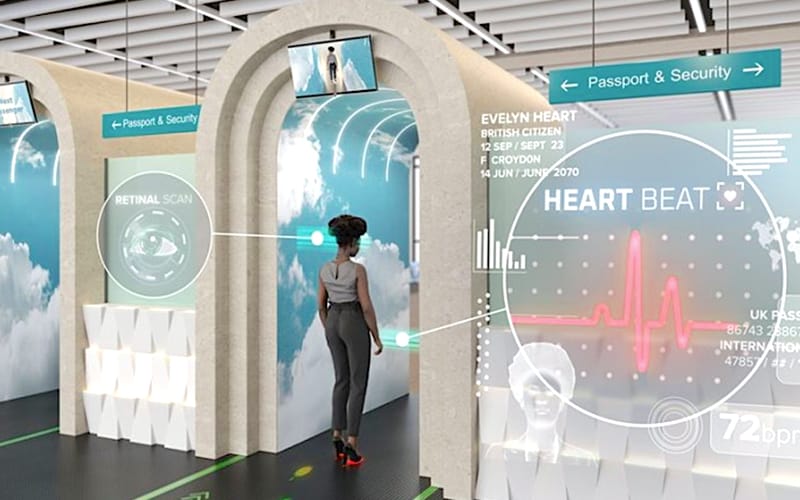
This detailed analysis, developed with the help of scientists as well as engineering and aerospace innovation experts, includes some headline-making propositions such as the use of a cardiac signature as a passport, relegating biometric fingerprints and iris recognition to the past.
Another idea suggests that, in the future, ergonomic airplane seats could adapt to travellers’ body shape, size, and even temperature, which is a very appealing prospect.
Bye-bye, luggage
One of the major challenges for travel in the future is improving comfort while promoting sustainability. For instance, 3D printing could make travelling with a suitcase an obsolete practice. All visitors would have to do is tell their hotel what size they wear to get suitable, customised clothes during their stay.
The idea could lower carbon footprint in more than one way: not only would it reduce transport costs, it would cut back on the phenomenon of buying clothes specifically to be worn on a short vacation.
Experts envisage that the material of these clothes could be recycled, or even reworked for another traveller.
3D printing could also come in handy at mealtimes. Hotels could significantly reduce the food waste by vast breakfast buffets by relying instead on culinary robots that instantly prepare orders.

After you get off the train or the plane, you may no longer have to search for a bus to take you to your hotel. At the ready is a self-driving vehicle, which would at the same time send information to the hotel regarding your imminent arrival. No more waiting in a line at the front desk to check in!
In fact, guests might no longer have to deal with hotel employees at all to receive any kind of room key, electronic or otherwise. Some form of biometric authentication could facilitate opening the door.
As for getting around throughout the stay, it would also be a matter of relying on self-driving vehicles, including perhaps some electric vertical takeoff and landing (e-VTOL) air taxis.
‘Human-powered’
While many hotels these days are adding photovoltaic panels for solar energy to heat rooms and swimming pools, in the future, these accommodations could “harvest energy from guests’ footsteps to generate power”.
In fact, a passenger walkway project in Abu Dhabi International Airport has employed just such a system, capturing the energy produced by travellers’ footsteps and converting it off-grid to power local LED lighting.
Finally, hotel construction could be less costly for the planet if it could be easily reconfigured to meet each guest’s particular needs. Smart rooms would have configurations to accommodate the visiting party, either as a double or single room with modular walls.
Rooms could also be pre-programmed to caterr to the guest’s desired mattress firmness and ambient temperature.