
As businesses close for the night and people leave for home, Justin Cheah’s work has just begun. In a span of 10 minutes, he has visited three of the capital’s grand hotels, with many more on his to-visit list.
This sort of late-night work is not foreign to Cheah; after all, he has been serving Kechara Soup Kitchen for over 15 years now. In fact, he is the current operations director of the NGO that provides aid to the city’s poor and destitute.
This Ramadan, as in years past, Kechara has been collaborating with several hotels to help feed the city’s hungry.
“Since 2016, our volunteers have been going out to the streets to collect untouched cooked food from the buffet lines in hotels throughout Kuala Lumpur,” he told FMT Lifestyle.
According to Cheah, this collaboration was kickstarted by Tengku Zatashah Idris, a social activist who works extensively with the soup kitchen.
He explained how appalled she had been during a hotel buffet one Ramadan by the amount of food left uneaten and destined for the trashcan.
Since that night, Kechara has been working with hotels to redistribute excess food to the city’s many hungry people.
“As of this year, we are partnering with 24 hotels, all based in KL,” said Cheah, adding that some hotels in Melaka also work with Kechara volunteers based there.
When the programme first started, only about a dozen hotels at most were on board. That number has steadily increased over time, with a major hotel group joining them this year.
“We are gaining momentum with each passing year,” Cheah noted. “Even during the pandemic, we were already getting new partners coming in.”
While the amount of donated food varies each day, it adds up to quite a substantial total by the end of the holy month.
In fact, said Cheah, within the first two weeks of Ramadan this year, Kechara received over one tonne of excess food!
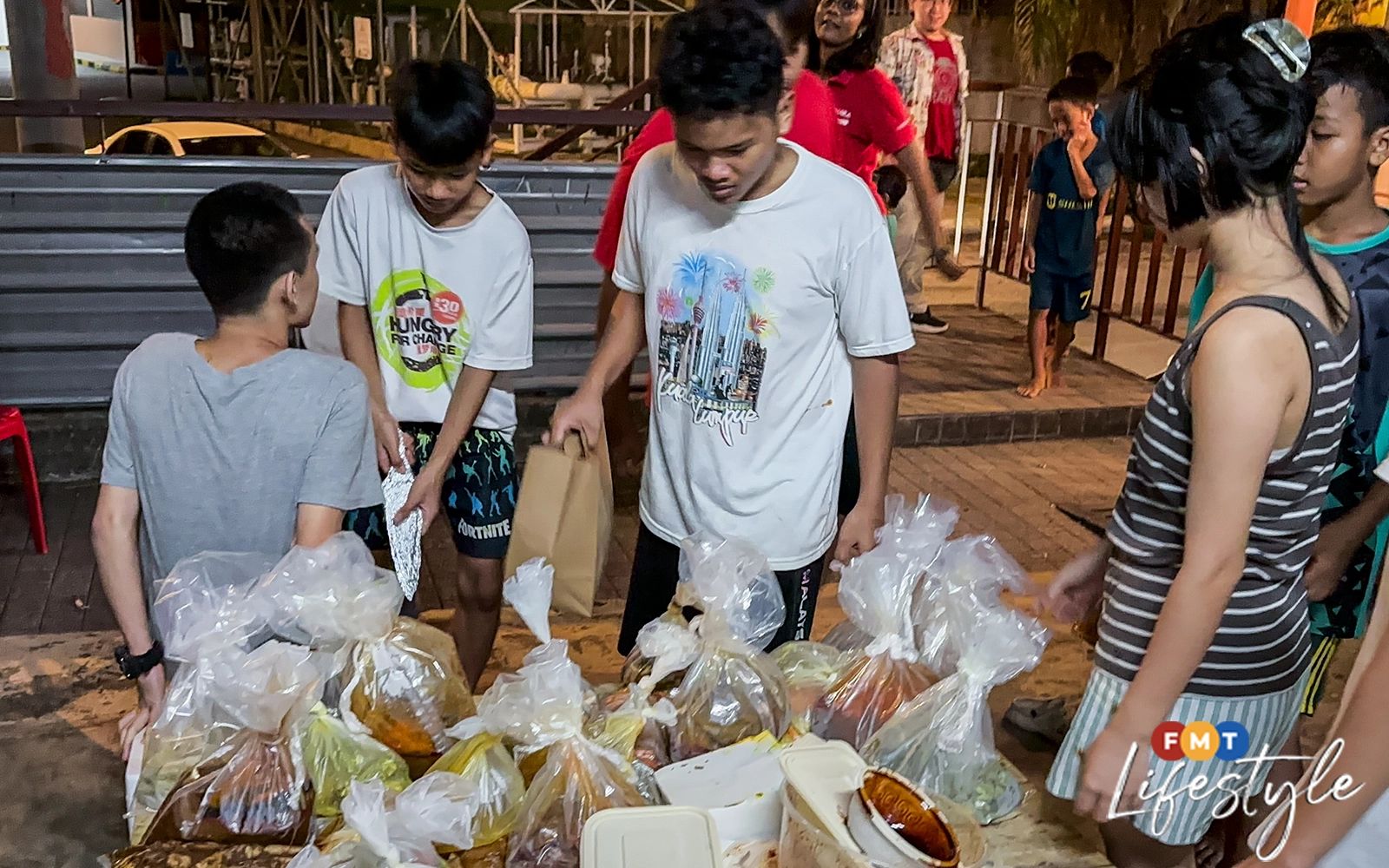
Most of the donated food consists of dishes that have a long shelf life, thereby ensuring it is safe for consumption.
In the past, the collected food was distributed directly to individuals and families in need; these days, the food is delivered to distribution centres instead.
These range from homeless shelters to orphanages, with Kechara’s charity partners allocating the food to those in their care.
Given its success rate, the programme will likely continue for the foreseeable future. “In fact, we are still actively seeking out more partners to join us,” Cheah said.
Kechara welcomes donations of cooked food, as well as basic necessities. “As long as we see there is potential waste, we can help manage that situation.”
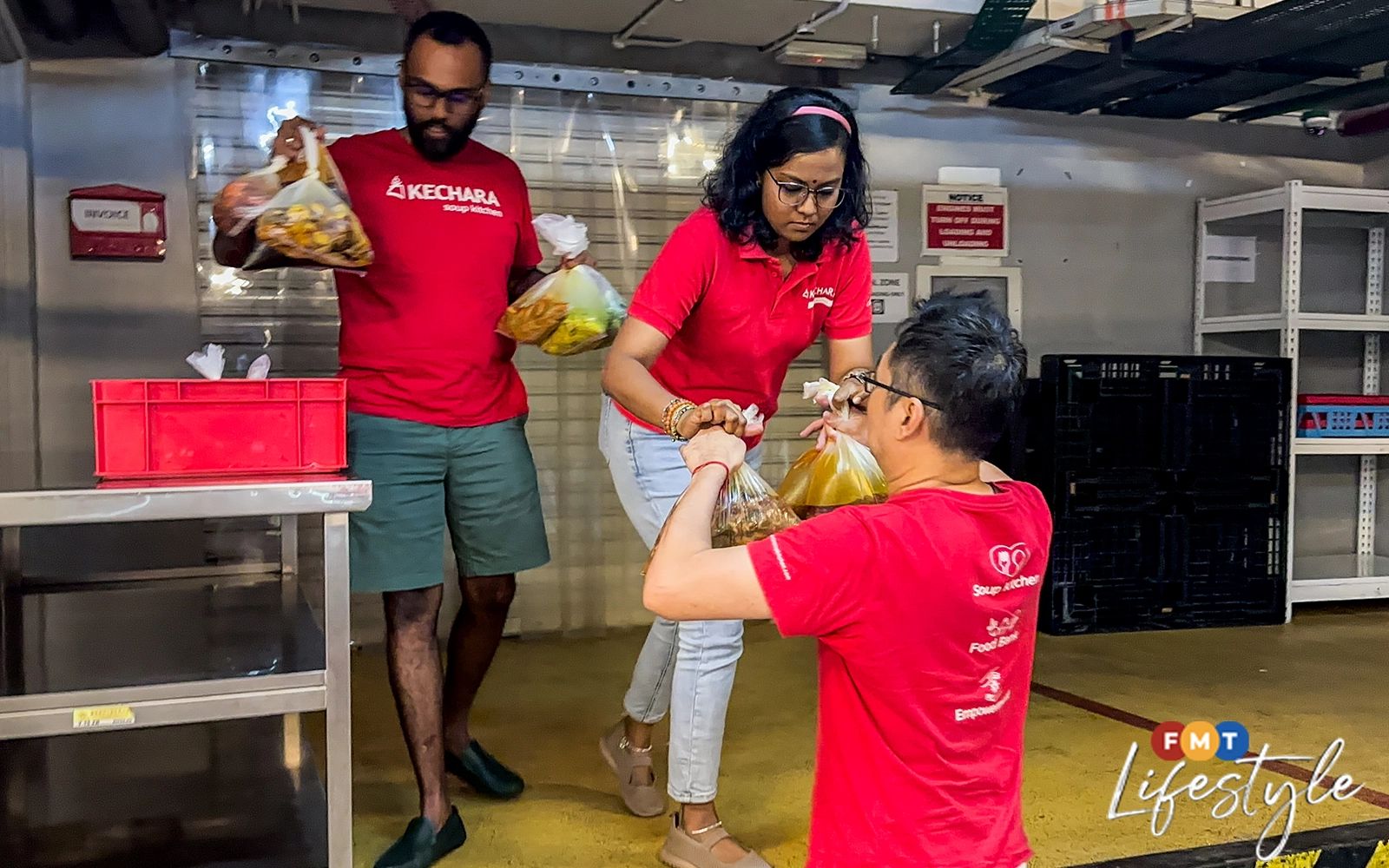
Cheah said KL’s hungry are struggling with the rising cost of living and many are still dependent on Kechara’s help for sustenance. The NGO, in turn, depends on the help it receives from big-hearted Malaysians.
He said one way in which the public can help is by linking Kechara to food manufacturers who may have excess stock they could donate.
“You can help not just in the month of Ramadan,” he added. “Any help is most welcome at any time of the year, be it through donations or volunteer work.”
Consider donating to Kechara Soup Kitchen. Click here for more information.