
Once the second-largest town in Selangor, it was here that thousands of miners searched for what was then called “black diamond.”
Today, Batu Arang may be a quiet town in Gombak, but from 1915 to 1960, its coal-mining legacy – and a bustling population of 12,000 – fuelled Kuala Lumpur’s early development.
To uncover more about its past, FMT Lifestyle visited Galeri Batu Arang, once the dormitories for workers in the town’s coal mines.
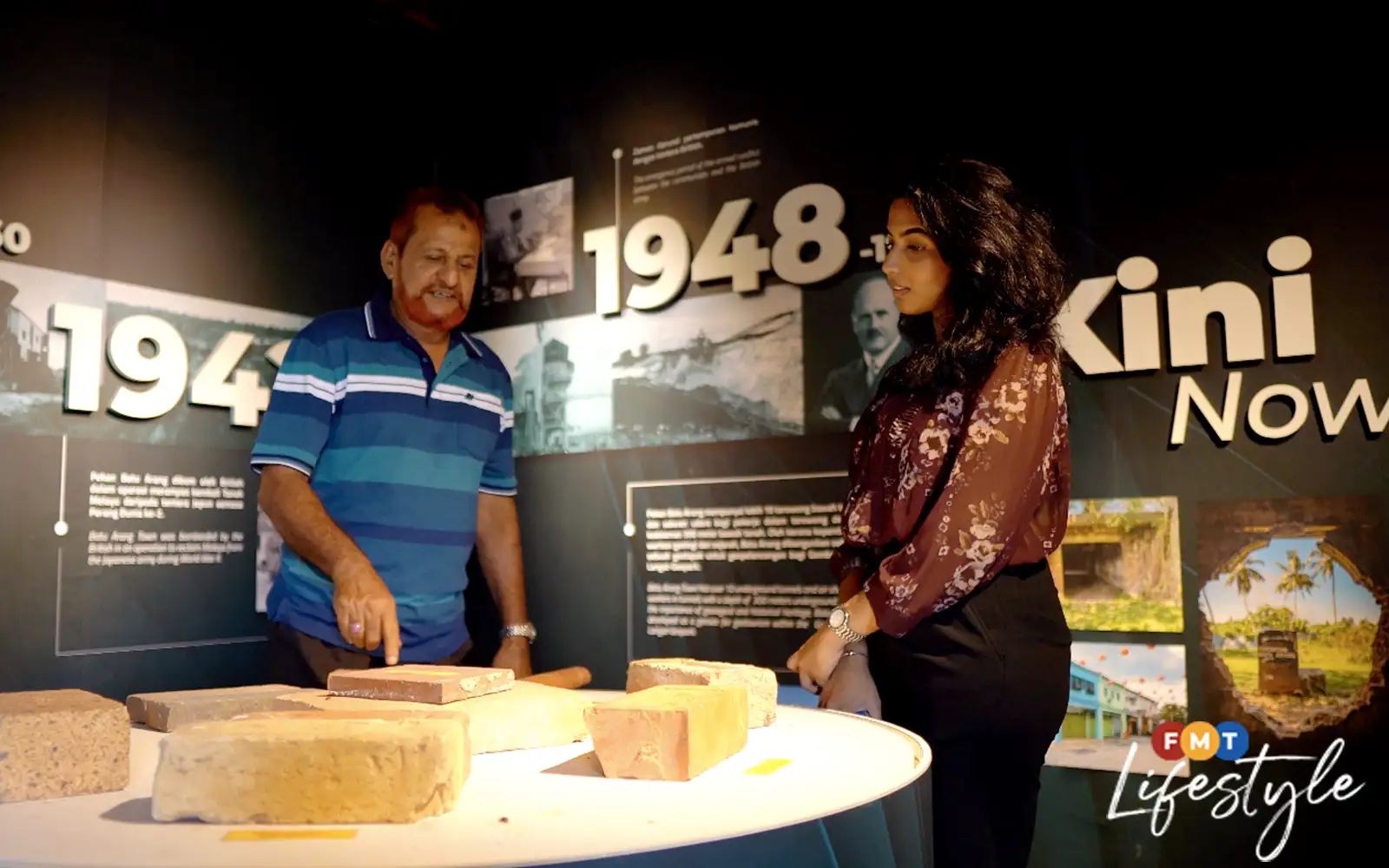
Born and raised in Batu Arang, 63-year-old Orangzeeb Yusoffe, fondly known as Pak Jabar, guided FMT Lifestyle through the gallery, narrating the town’s rich history.
He shared that the geological formations in Batu Arang date back to around 33.7 million years, making its coal a prized resource. According to records, coal was first found in Batu Arang by Haji Abdul Hadi in 1908.
Soon after its discovery, British national John Archibald Russell founded the Malayan Collieries Ltd, marking the start of the town’s mining boom.
“There were more than 6,000 men who worked every day to dig up the coal,” revealed Pak Jabar.
Coal’s main customers included railways, power stations, and tin mines. By 1916, Batu Arang coal was being supplied to two of the largest European tin mines in Malaya.
The town played a pivotal role in the Malayan economy back then, introducing electricity and revolutionising tin mining that significantly outpaced traditional methods.
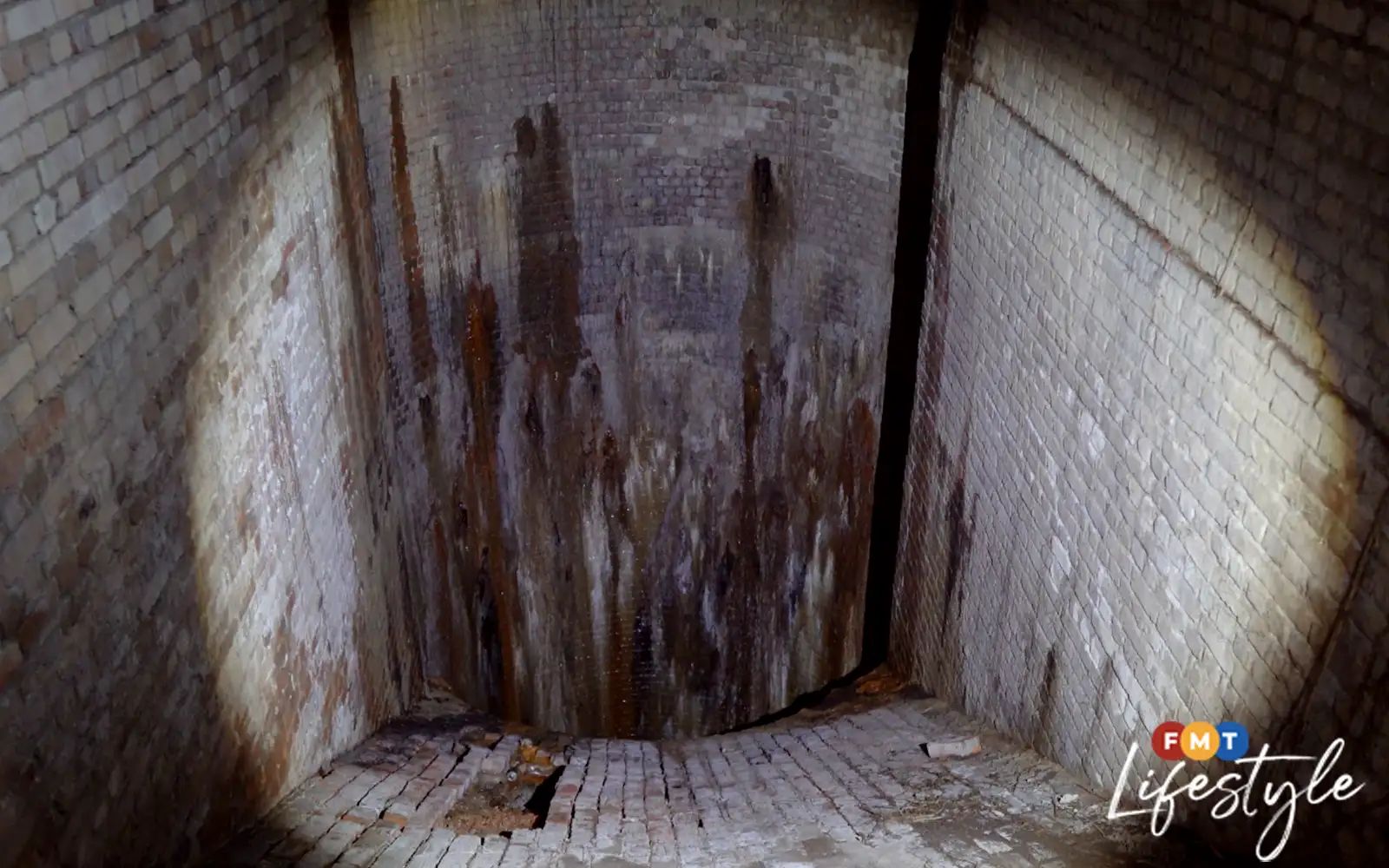
Today, unique remnants of coal mining still dot Batu Arang, such as 100-year-old underground tunnels and air shafts that plunge 300 metres deep. The job of mining for coal was fraught with danger, costing many workers their lives as they sought to unearth the dark mineral.
As FMT Lifestyle explored various sites here, it was hard to imagine that workers once descended into pitch-black tunnels, guided only by the light of their headlamps.
The tunnel entrance was reinforced with an iron frame instead of bricks or wood, a key reason it remains intact to this day.
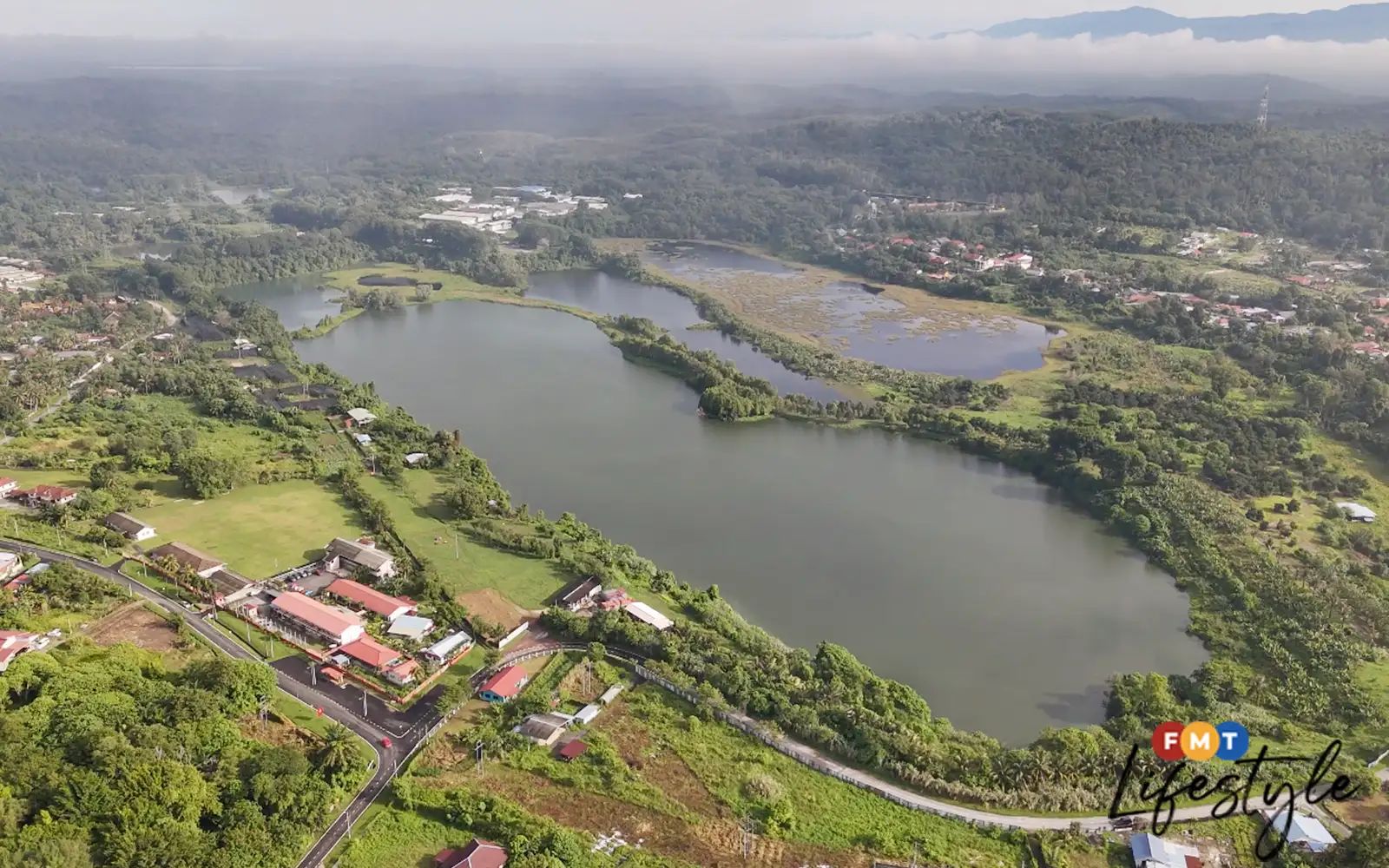
Batu Arang also features former mine ponds that were once part of the largest coal stockpile in Peninsular Malaysia.
The 1930s to 1940s was a golden era for Batu Arang, highlighted by the presence of a railway line and even an airstrip. Unfortunately, as coal demand decreased, the town slowly fell into obscurity.
Village chief Rusli Mohd Sharif, who has called this town home since 1974, shared that like many small towns, the multicultural community here is tightly knit.
“Back then, Batu Arang was mainly populated by Indians and Chinese. However, in the ‘70s, when an ammunition factory was established, Malays started coming in and now there’s almost an equal ratio between the races.”
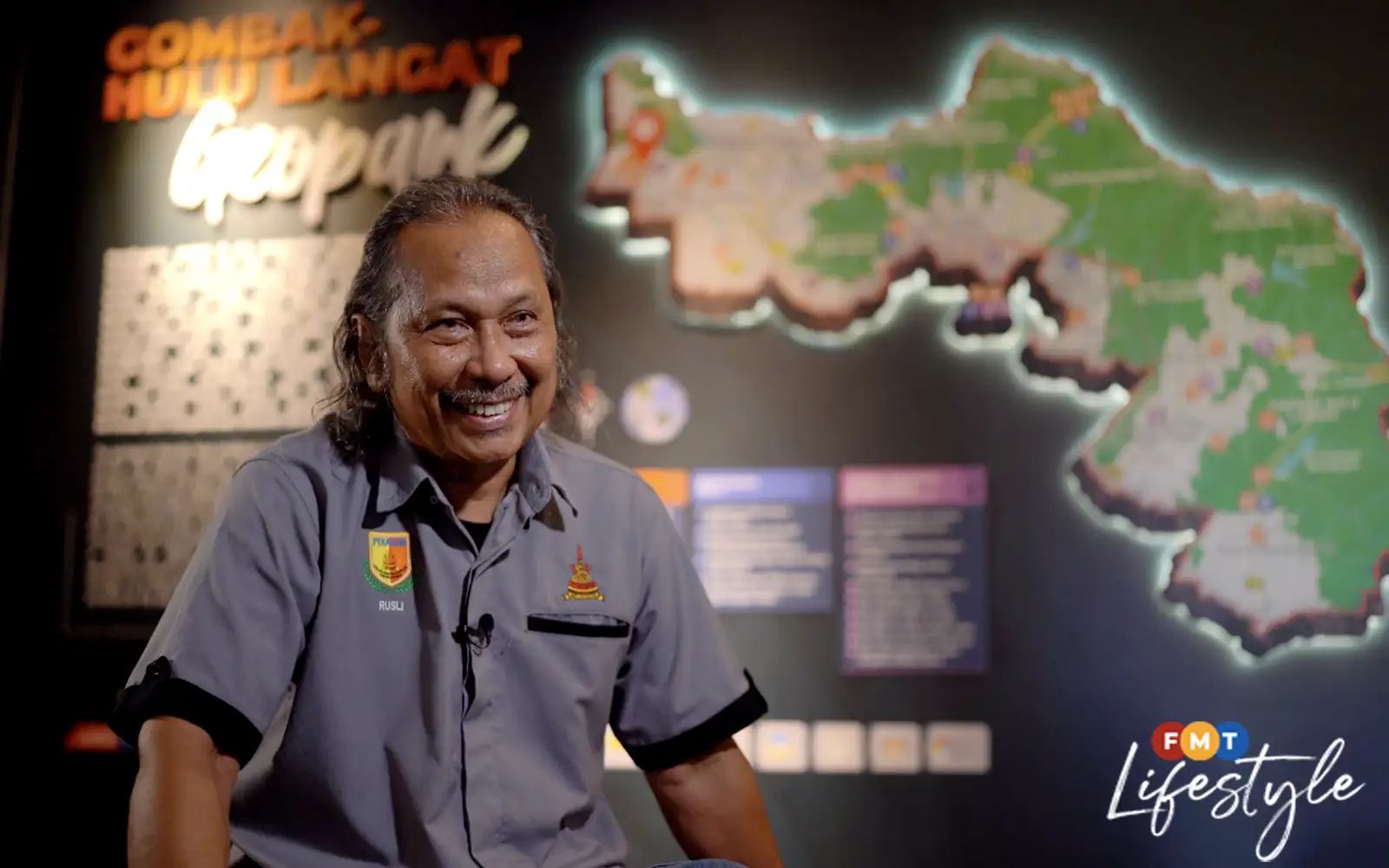
Rusli said that today, the town is quiet, just what the mainly retired folks here desire.
“The Batu Arang people have become like family. We want to maintain our present surroundings. After 8pm or 9pm, this town becomes quiet.”
FMT Lifestyle also spoke to Mohd Haffez Hanip, a representative from Tourism Selangor, who said this peace and quiet will continue for years to come.
“We cannot do any major construction or development here as it may damage the underground structure and cause the collapse of the entire Batu Arang.”
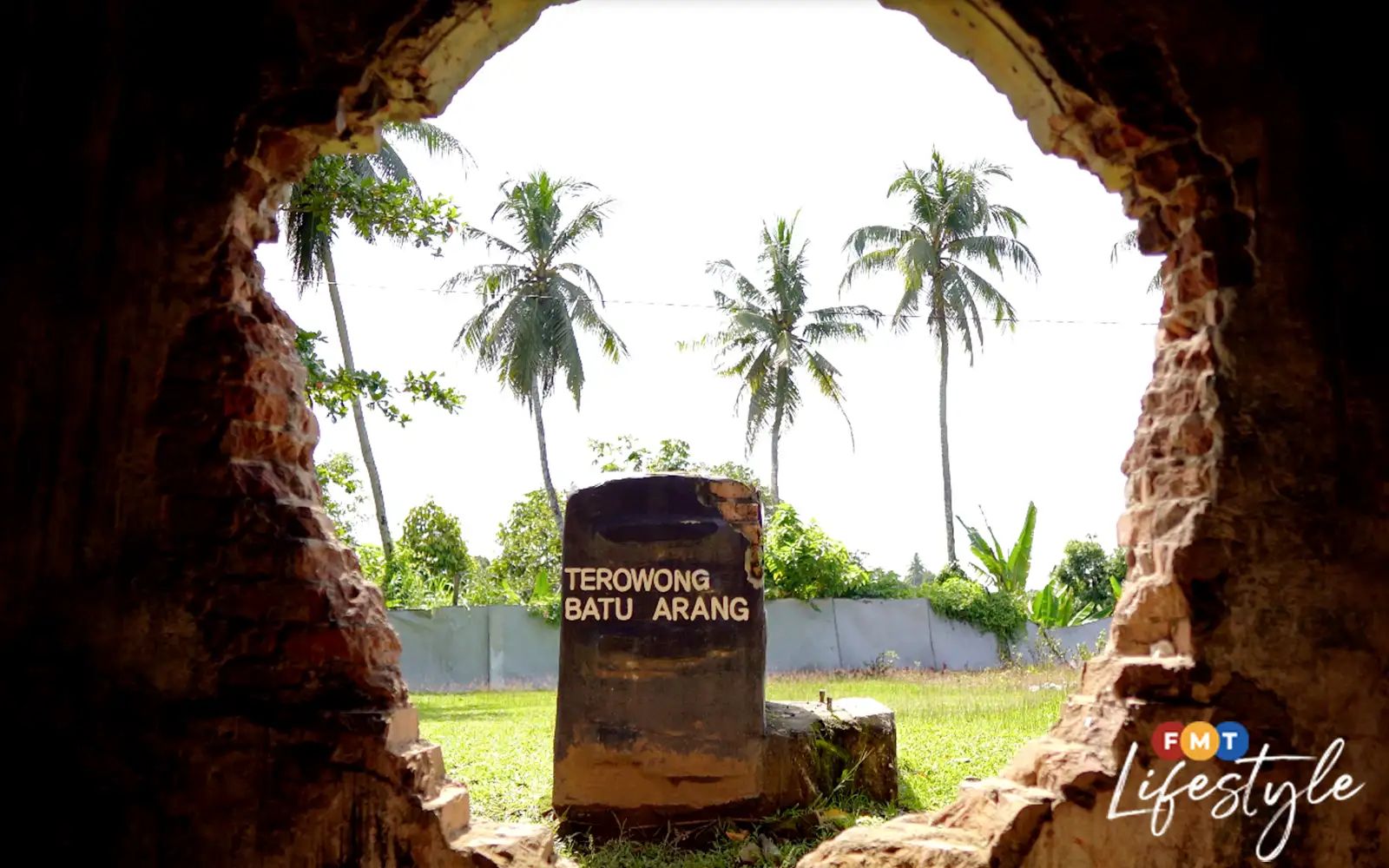
Declared a heritage town by the Selangor State Government in 2011 and recognised as part of the Gombak-Hulu Langat Geopark, Tourism Selangor is hoping to attract more visitors to Batu Arang.
“We are in the process of creating a geo-trail that visitors can follow, taking them to each of the historic sites,” revealed Haffez.
And the locals are equally eager to showcase their town’s heritage to the world. “We want our town, even though it is small, to be recognised. That is our hope,” expressed Rusli.
With potential Unesco Global Geopark status by 2028, Batu Arang might soon experience a revival, reminiscent of its bustling days 100 years ago.