
“The history of Zheng He’s voyages that I learnt in school has come alive before my eyes, thanks to the visa-free policy between China and Malaysia,” he said.
Zheng He, also known as Cheng Ho, was a celebrated envoy of the Ming Dynasty who visited Melaka at least five times during his seven maritime expeditions. His voyages not only strengthened ties between China and Malaysia but also laid the foundation for centuries of cultural and economic exchange.
Today, Melaka’s rich historical legacy and vibrant cultural landscapes continue to attract Chinese tourists, as the 50th anniversary of China-Malaysia diplomatic relations in May bolstered tourism and strengthened ties.
Since the implementation of the China-Malaysia mutual visa exemption last December, travel between the two nations has become more convenient.
Roslan Abdul Rahman, secretary-general of the tourism, arts and culture ministry, told Xinhua that Malaysia has welcomed 2.69 million Chinese tourists in the first nine months of this year, marking a 144% on-year increase.
Melaka stands out as a favourite destination for Chinese tourists thanks to its historical ties with China. Among its attractions, Jonker Street, nestled in the heart of the state, holds particular significance.
Once the site of Zheng He’s storehouses and early Chinese settlements, the area now is a bustling Unesco World Heritage Site. Its well-preserved architecture, traditional Peranakan shophouses, antique shops, art galleries, and street food stalls offer visitors a window into its unique history.
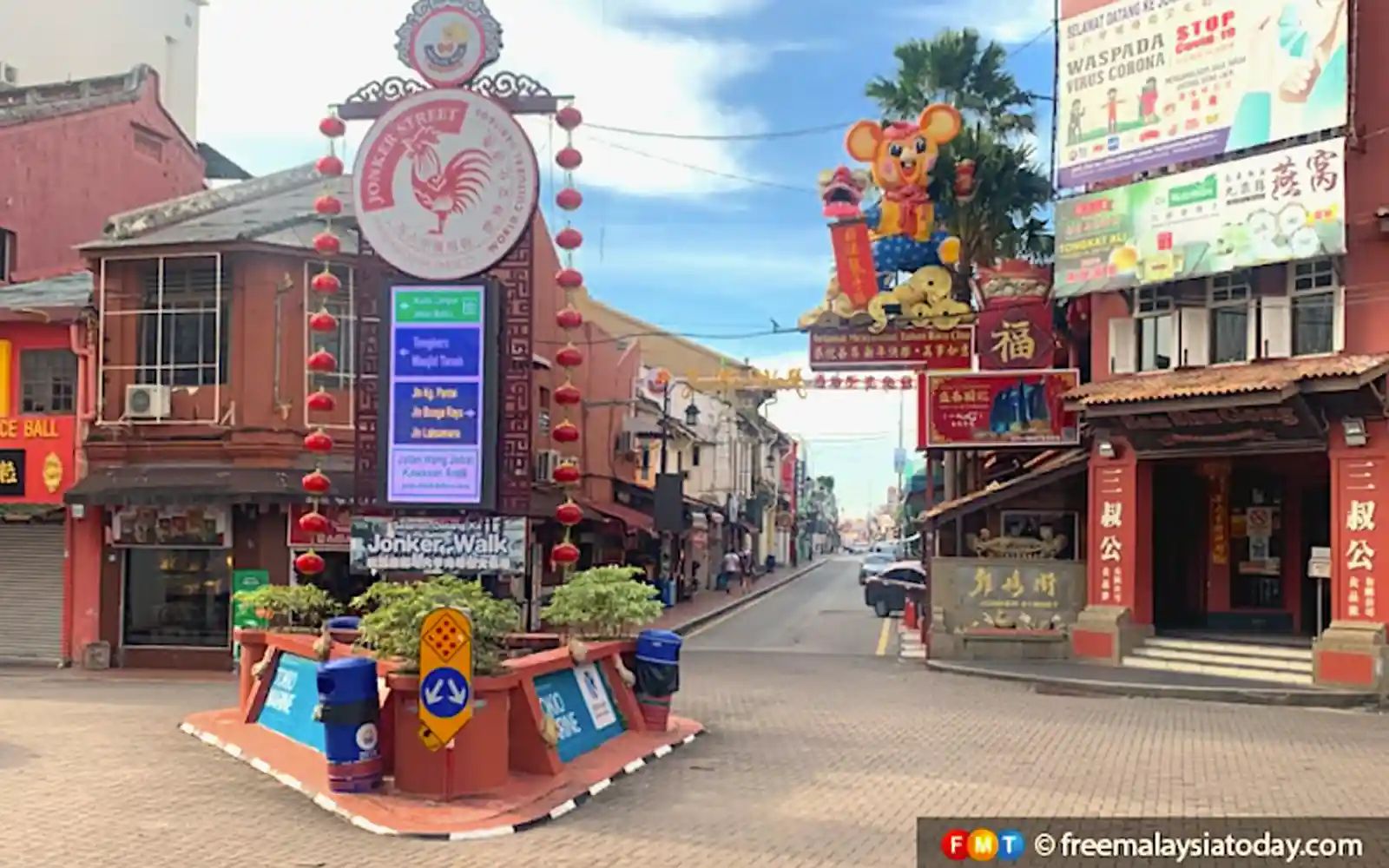
“The surge in Chinese visitors over the past year has greatly boosted the local economy, created new business opportunities, and spurred growth in Melaka’s tourism and hospitality sectors,” said Gan Tian Loo, chairman of the Jonker Walk Working Committee.
Gan emphasised Jonker Street’s cultural importance, describing it not only as a pivotal hub during Zheng He’s voyages but also as a living testament to Baba-Nyonya culture.
“Jonker Street provides a rare opportunity to explore the harmonious fusion of Malaysian and Chinese traditions while celebrating a friendship that has thrived across generations,” he said.
The Baba-Nyonya, or Peranakans, are descendants of Chinese immigrants who intermarried with local Malays, creating a distinct cultural identity. Their legacy is showcased at the Baba Nyonya Museum, which offers visitors a glimpse into traditional Peranakan homes, featuring grand spiral staircases and architecture that blends eastern and western styles.
Wang Shanshan, a tourist from Beijing, shared her emotional experience after visiting the museum. “I used to prioritise beaches and natural scenery when visiting Southeast Asia. Now, I’m more interested in uncovering the history of Chinese migration and understanding how our culture has evolved here,” she said.
She found the exhibits both familiar and novel. “Even with local influence, the core of traditional Chinese values remains. It feels like finding a home away from home,” she added.
Beyond its historical landmarks, Nyonya cuisine, rooted in the Baba-Nyonya community, has become a must-try experience for visitors. Dishes like buttery pineapple tarts, onde-onde filled with palm sugar, and spicy chicken stews exemplify a rich fusion of Cantonese, Fujian, and Malaysian flavours.
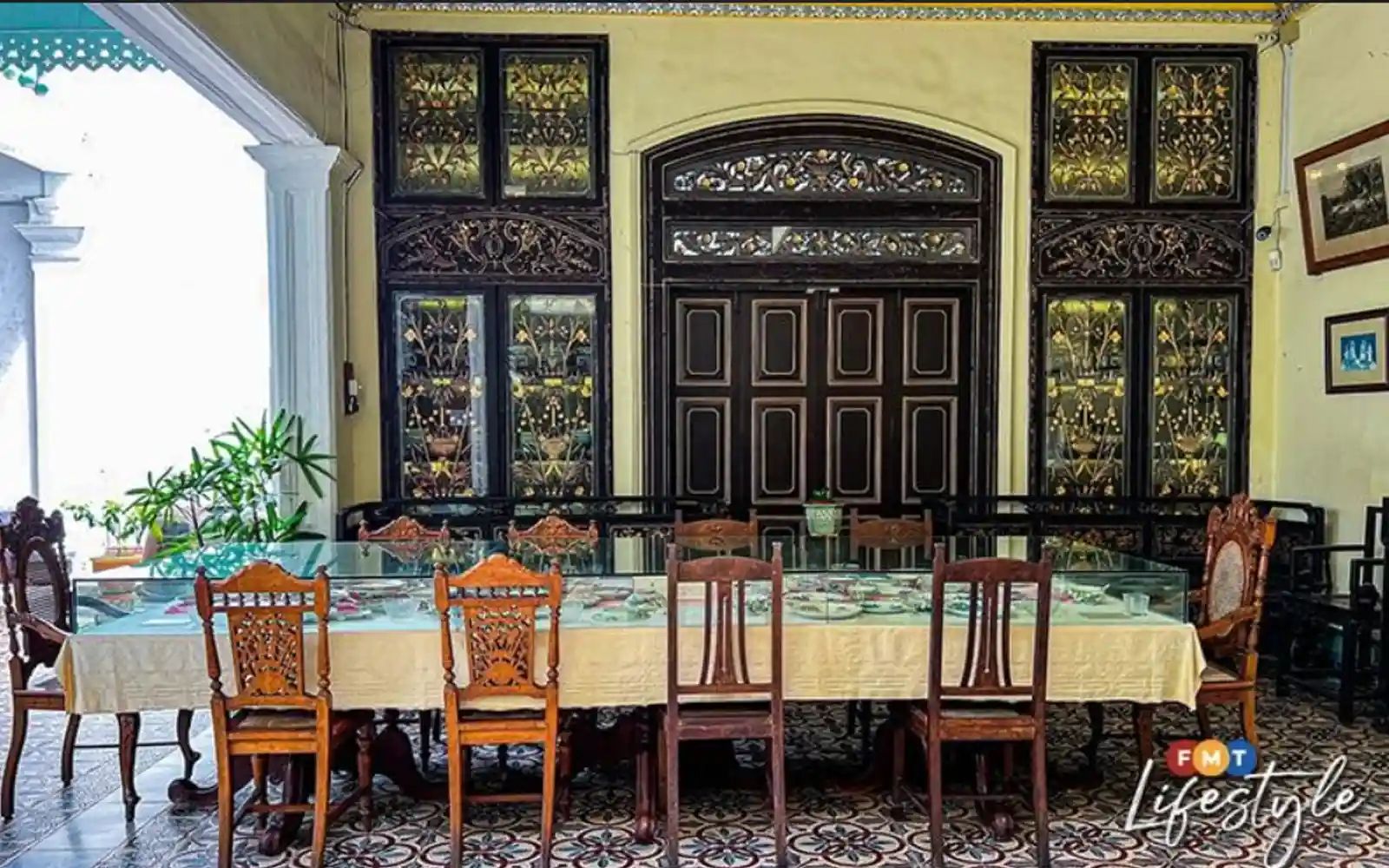
Lucy Wee, a fifth-generation Nyonya and owner of Anak Nyonya restaurant on Jonker Street, has noticed a growing interest in this unique culinary tradition. “More Chinese tourists are eager to try Nyonya food after learning about Baba-Nyonya culture,” she said.
As a passionate advocate for her heritage, Wee takes pride in sharing her family’s recipes. “The flavours are unique – sweet, sour, and slightly spicy. Once people try it, they always want to come back for more.”
From exploring Zheng He’s maritime legacy to savouring Nyonya cuisine, Chinese tourists discover Melaka as both a historical treasure and a modern cultural gateway. This deepening connection between China and Melaka will offer increasing opportunities for cultural exchange and mutual appreciation in the years to come.
Gan noted the role of Melaka in strengthening cultural bonds between the two peoples. “Jonker Street provides a rare opportunity to explore the harmonious fusion of Malaysian and Chinese traditions, while celebrating a friendship that has thrived across generations,” he concluded.