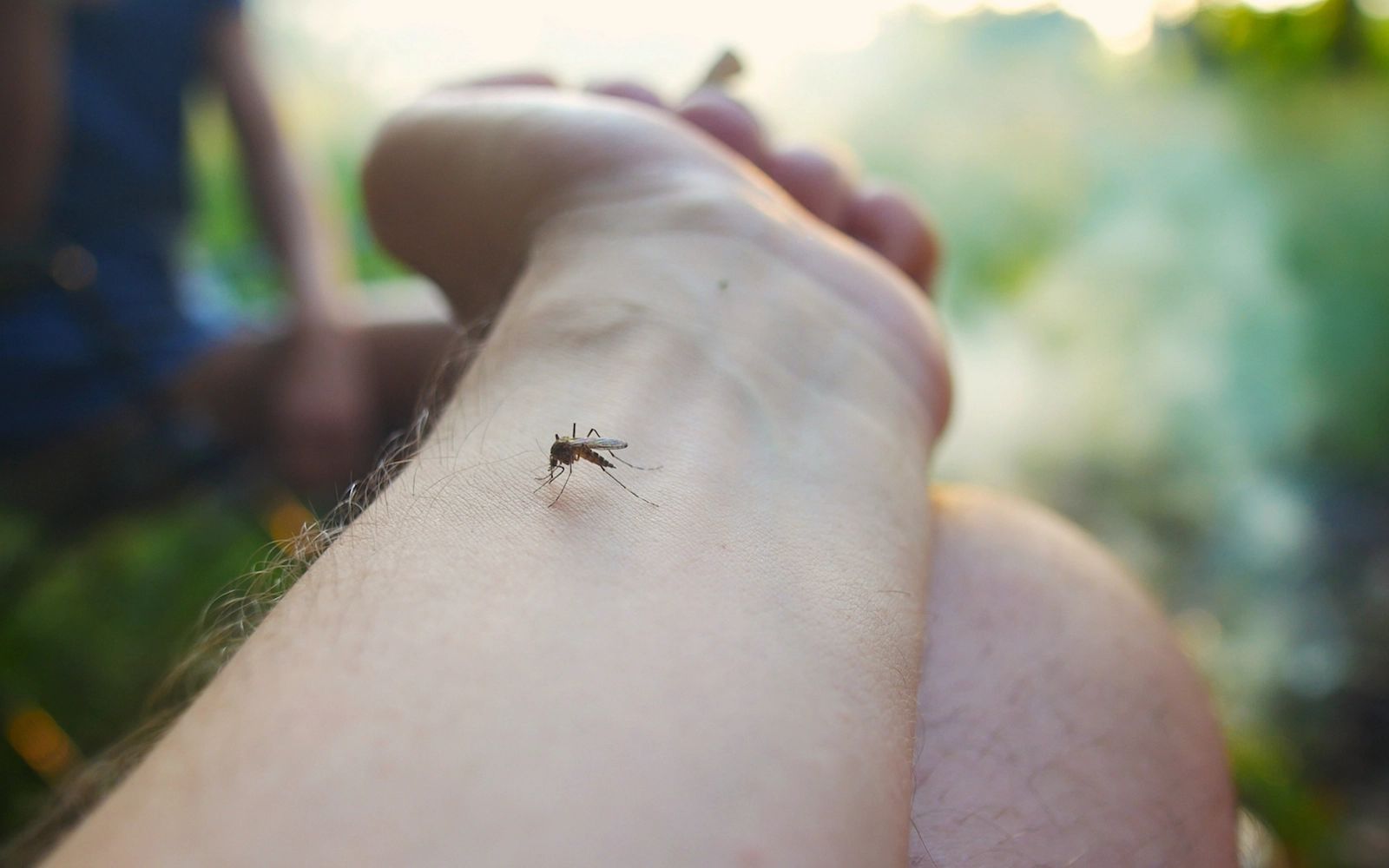
Researchers have found that these insects can act as “flying wildlife surveyors”, collecting traces of animal DNA that reveal what species are living in an area, including those rarely seen by humans.
The study, led by Macquarie University, used DNA extracted from mosquito blood meals to identify around 70 species of birds and mammals in Kakadu National Park.
Among them were elusive and threatened animals such as the ghost bat, spectacled hare-wallaby and white-throated grasswren, a bird that has been recorded only once in Kakadu surveys over the past two decades.
The method relies on a growing field known as environmental DNA, or eDNA, where genetic material left behind by organisms is used to detect their presence.
In this case, female mosquitoes act as natural collectors. After feeding on animals, they carry traces of blood containing DNA. Scientists can then trap the mosquitoes, analyse the genetic material, and identify which species the insects have fed on.
“It’s like having thousands of tiny drones flying around every night collecting samples,” said Anthony Chariton, who leads the Environmental eDNA and Biomonitoring Lab at Macquarie University.
Because mosquitoes digest blood quickly and tend to stay close to where they feed, the DNA they carry provides a snapshot of nearby wildlife.
The results have been striking: with just two nights of mosquito sampling, researchers detected roughly twice as many mammal species as traditional camera traps managed over six weeks.
This makes the technique particularly valuable for tracking animals that are shy, nocturnal, or live in dense habitats where cameras may miss them.
It also offers a non-invasive alternative to conventional methods, reducing the need to capture or disturb wildlife.
Conservationists say such tools could play an increasingly important role as biodiversity monitoring becomes more urgent. Australia is home to some of the world’s most unique wildlife, but also has one of the highest rates of mammal extinction.
Such new approaches could help scientists better understand where species are still surviving, how populations are changing, and where conservation efforts should be focused.