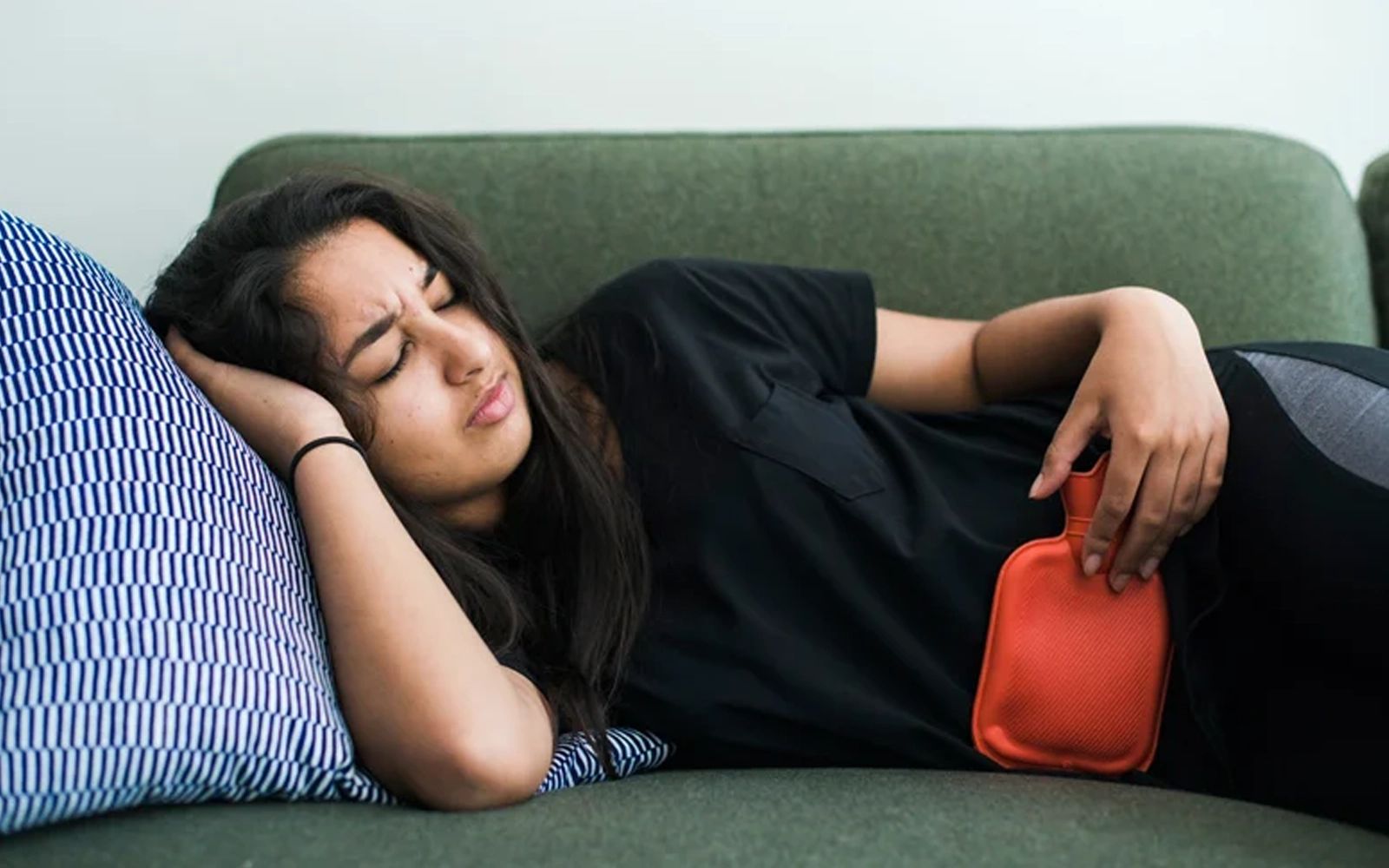
But health experts warn that severe or persistent period pain should not be normalised, as it may signal a serious underlying condition.
For Salimah Abdullah, 34, what began as intense cramps during her university years gradually became a debilitating monthly ordeal.
At 24, she experienced severe abdominal pain and heavy menstrual flow, often forcing her to take medical leave. Despite trying various treatments, including traditional remedies and repeated consultations, the pain persisted for several years.
“Every month, when the pain became unbearable, I would go to a clinic for painkillers,” she recalled.
Her turning point came after attending a health talk, which led to further examination and a diagnosis of stage-four endometriosis.
Although she was newly married at the time and not planning to conceive, she underwent surgery to manage the condition.
Three years later, she gave birth to a healthy child.
What is endometriosis?
Endometriosis is an inflammatory condition in which tissue similar to the uterine lining grows outside the uterus, affecting other organs.
It is estimated to affect one in 10 women of reproductive age, with symptoms ranging from chronic pelvic pain and heavy periods to discomfort during intercourse, and even infertility.
According to the health ministry, there were 1,937 hospital discharges related to endometriosis nationwide last year – a figure experts believe underrepresents the true scale of the problem.
Consultant gynaecologist Dr Tan Ee Ping said diagnosis is often delayed by the tendency to dismiss menstrual pain as normal and expected.
“Severe menstrual pain should not be ignored, especially if it disrupts daily life,” she said.
Warning signs include frequent reliance on painkillers, missing work or school due to pain, and symptoms extending beyond the lower abdomen, such as fatigue or digestive issues.
“If the pain worsens over time or is accompanied by symptoms like vomiting, bloating, diarrhoea or frequent urination, it is certainly not normal,” she added.
She emphasised that women who develop period pain later in life should also treat it as a red flag.
Additionally, Tan debunked a common misconception: that getting pregnant could be a cure for pain.
“Symptoms may improve after childbirth but will recur after three to five years. They may improve during pregnancy due to hormonal change, but will often return,” she said.
Recognising that pain is not something women have to simply put up with is the first step towards getting help.
“Seeking medical advice early can prevent complications,” Tan stressed.
Don’t miss part two of this article tomorrow.