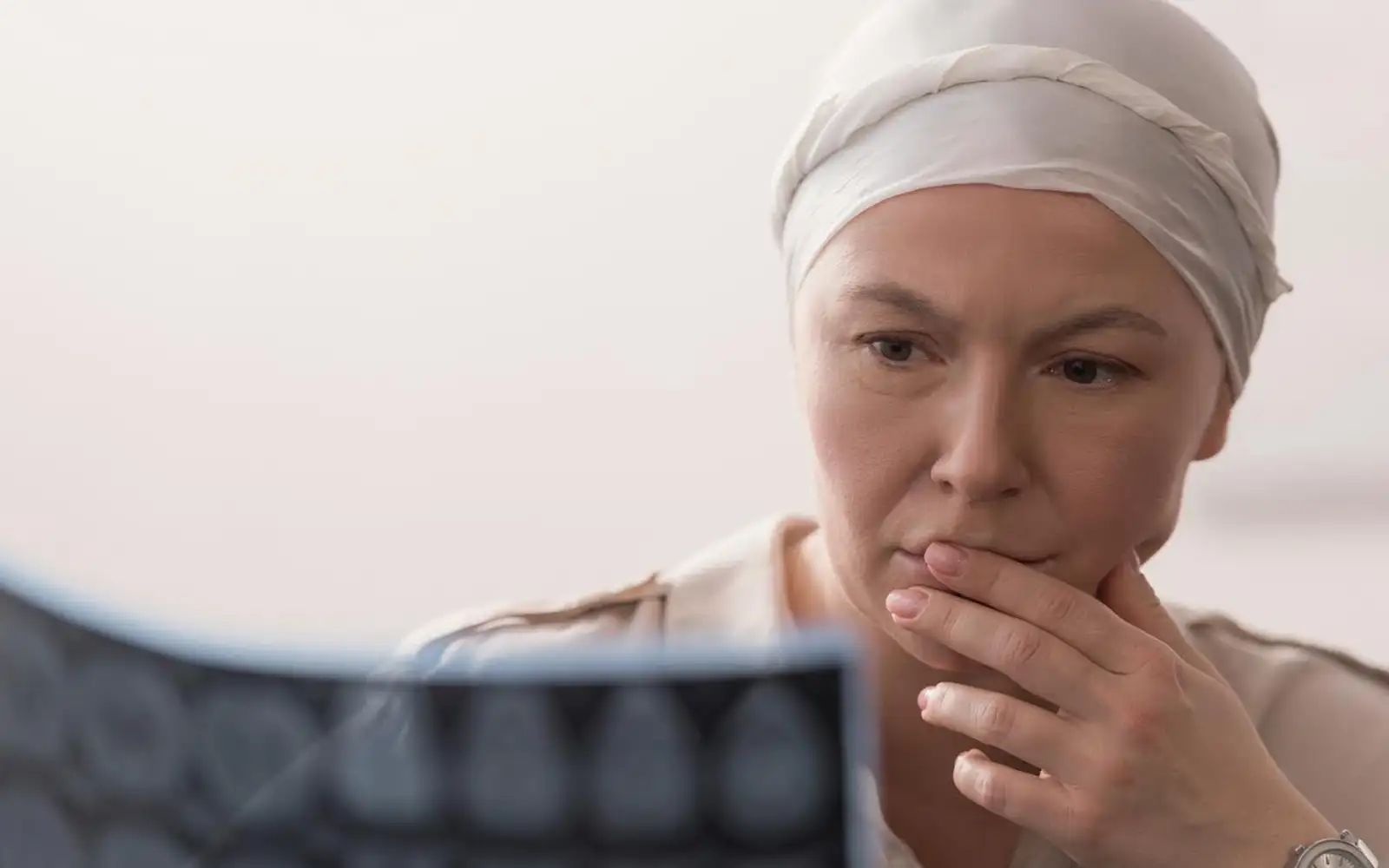
A recent Australian-led study has found that while female cancer patients have a lower risk of death, they face a higher risk of severe side effects from treatments such as chemotherapy and immunotherapy.
The research, published in the Journal of the National Cancer Institute, analysed data from more than 20,000 patients across 39 clinical trials conducted between 2011 and 2021.
It found that women had a 21% lower risk of death compared to men, but a 12% higher risk of experiencing serious treatment-related toxicities.
These patterns were consistent across 12 types of advanced cancers, including lung, colorectal, melanoma and breast cancer, as well as across different forms of treatment.
So why the difference? According to researchers, biology.
“Sex is a fundamental biological factor that influences immune function, drug metabolism, body composition and tumour biology,” said lead author Natansh Modi of the University of Adelaide.
In simple terms, women’s bodies often respond more strongly to both the disease and the treatment.
For example, women generally have more active immune systems, which may help them fight cancer more effectively. But that same heightened response can also increase inflammation and make side effects more intense.
Differences in body fat composition, hormone levels, and how drugs are processed by the liver may also affect how treatments are absorbed and tolerated.
So, what does this mean for patients? Experts say the findings highlight a growing need for more personalised cancer care.
Historically, most drug trials and dosing guidelines have not fully accounted for sex-based differences – meaning men and women are often treated using similar protocols.
But this study adds to a body of evidence suggesting that a one-size-fits-all approach may not be ideal. Instead, doctors may need to consider adjusting doses, monitoring side effects more closely, or tailoring treatment plans based on sex.
The findings could also help patients better understand their own treatment journeys. Women undergoing cancer therapy may be more likely to experience fatigue, nausea, immune-related reactions or other complications, even if their overall prognosis is better.
Recognising this can help patients and caregivers prepare, seek early support and manage side effects more effectively.
Ultimately, researchers say the goal is not to alarm patients, but to improve care. By factoring in biological differences between men and women, future cancer treatments could become both safer and more effective.