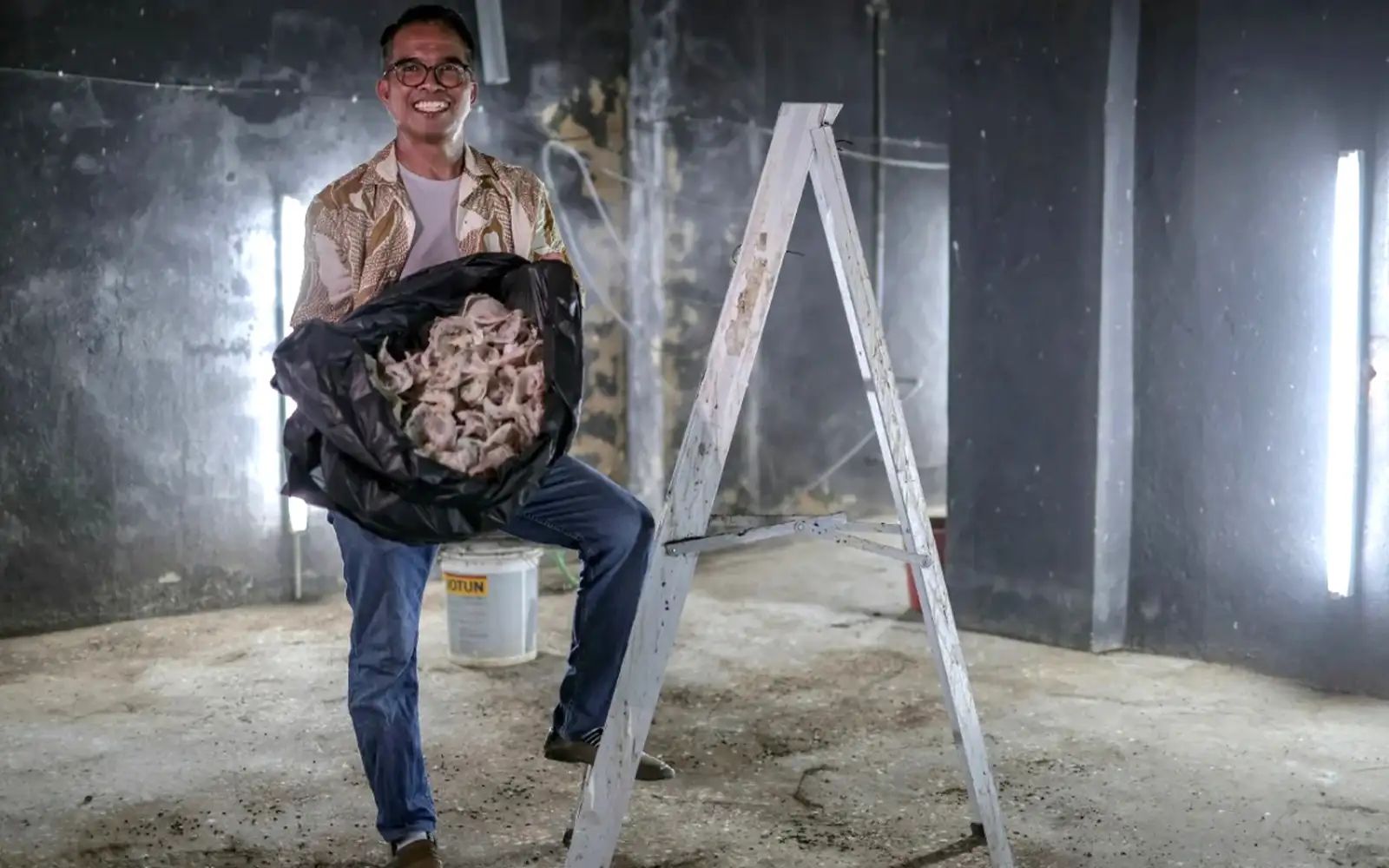
Today, the 55-year-old from Kota Tinggi, Johor earns about RM100,000 a year harvesting swiftlet nests, a prized delicacy often dubbed “white gold”.
Hadi entered the industry in 2011, driven by a simple question: why are swiftlet nests so valuable?
“As I learnt more, I realised this business had strong potential. With the right knowledge and strategy, it can generate very good income,” he said.
Made from the saliva of swiftlets, the nests are rich in glycoproteins and sialic acid, which are believed to offer various benefits when consumed, including boosting immunity and acting as an anti-ageing agent.
Now, Hadi’s three-storey birdhouse in Felda Gugusan Adela is home to around 8,000 swiftlets, which produce between 50kg and 100kg of nests annually.
Hadi started small, collecting just 360 nests a year. Today, that figure has grown to about 5,000.
“It takes patience. In the beginning, the yield was only about 500-600g,” he shared.
Breaking into the business required both specialised knowledge and deep pockets. Hadi invested about RM400,000 to build his birdhouse, carefully choosing its location based on swiftlet flight paths.
“We use sound frequencies to identify suitable areas. If birds respond, it means the location has potential,” he explained.
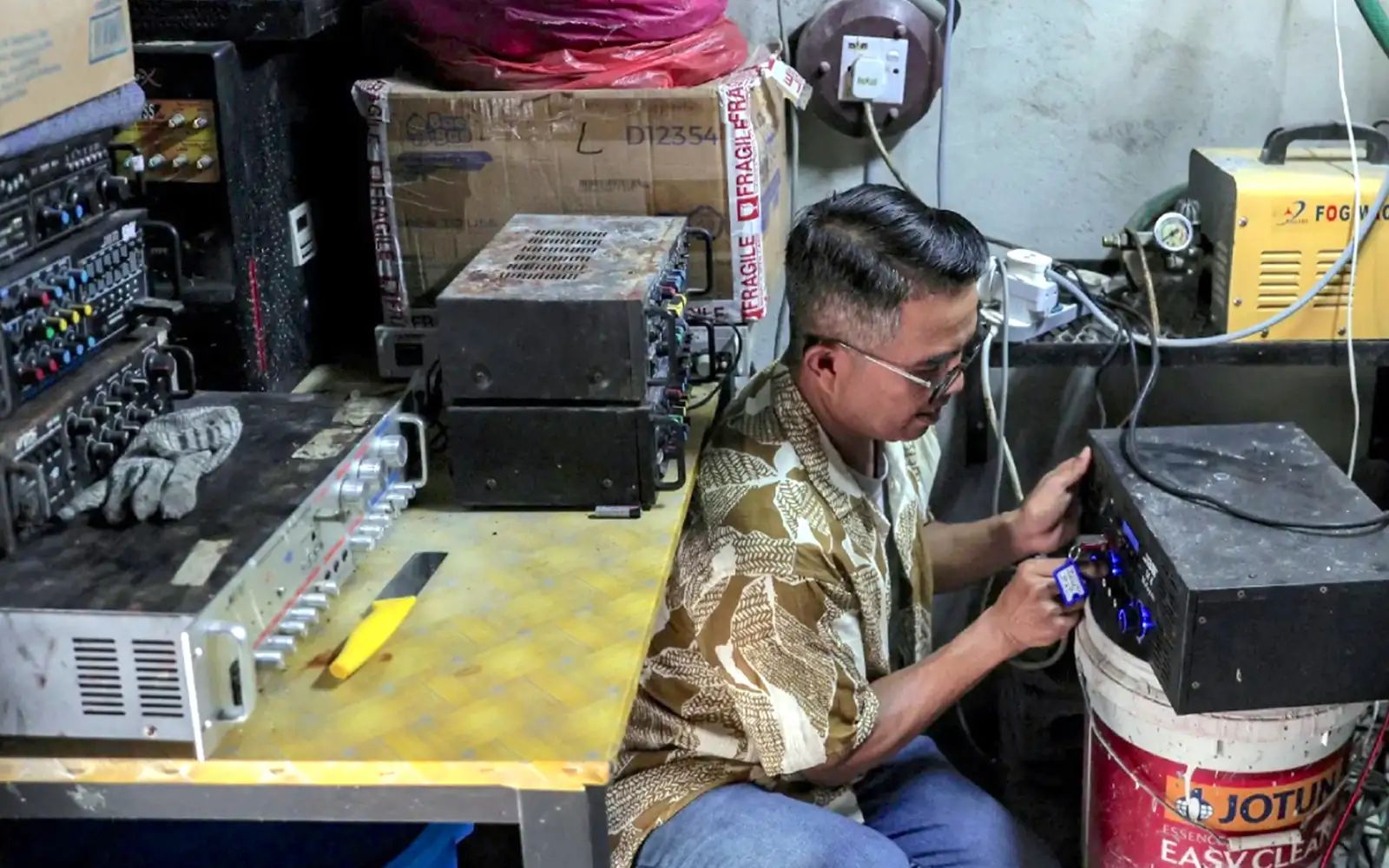
Attracting the birds is another challenge: recorded bird calls and fruit-based mist sprays are used to lure them inside. Once comfortable, the birds begin marking the ceiling before eventually building nests.
Swiftlets prefer dark, quiet spaces with high ceilings – but even with ideal conditions, there are no guarantees. “They may come within weeks, or it could take months,” he said.
Swiftlet nests can fetch between RM2,000 and RM3,000 per kilo, depending on quality. “Most of mine are Grade A, which sell for more than RM2,000 per kg,” Hadi said.
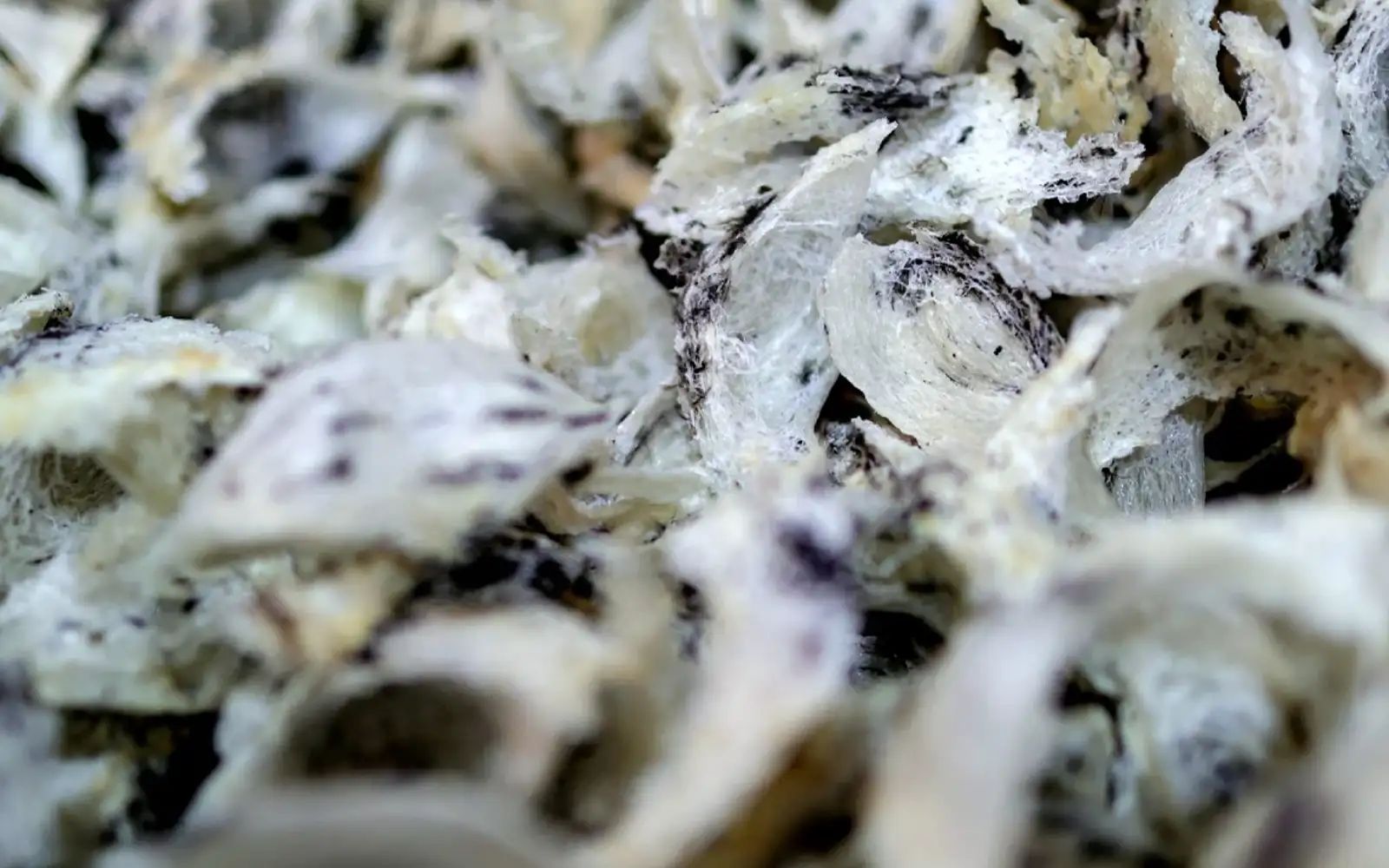
Top-grade nests are clean, well-shaped and pale in colour with minimal feathers. Harvesting is done only after chicks have flown off.
“The nest must be dry, with no birds inside. We remove each nest carefully using small knives and gloves to avoid damage,” he said.
The nests are then cleaned, dried, and packaged for sale.
Swiftlets and setbacks
Hadi has faced his share of challenges, from owl attacks and termites to theft. At one point, termite damage caused part of the ceiling to collapse.
He has since reinforced the structure and installed anti-owl spikes and better security systems after break-ins.
His efforts have paid off: the colony continues to grow as new generations of birds return to nest in the same building.
Beyond business, Hadi has used his expertise to benefit others. Before retiring last September, he was a special-education teacher at SMK Bandar Mas.
In 2014, he built a small swiftlet house on the school grounds using low-cost materials. The project now helps fund programmes for students with disabilities.
He has also guided students in hands-on activities like fertigation farming, growing cili padi for sale. “These experiences help them build confidence and practical skills,” he said.
At home, Hadi and his wife Noraini Muhamad, 53, also enjoy bird’s nest soup. “People say we look younger than our age!” he joked.