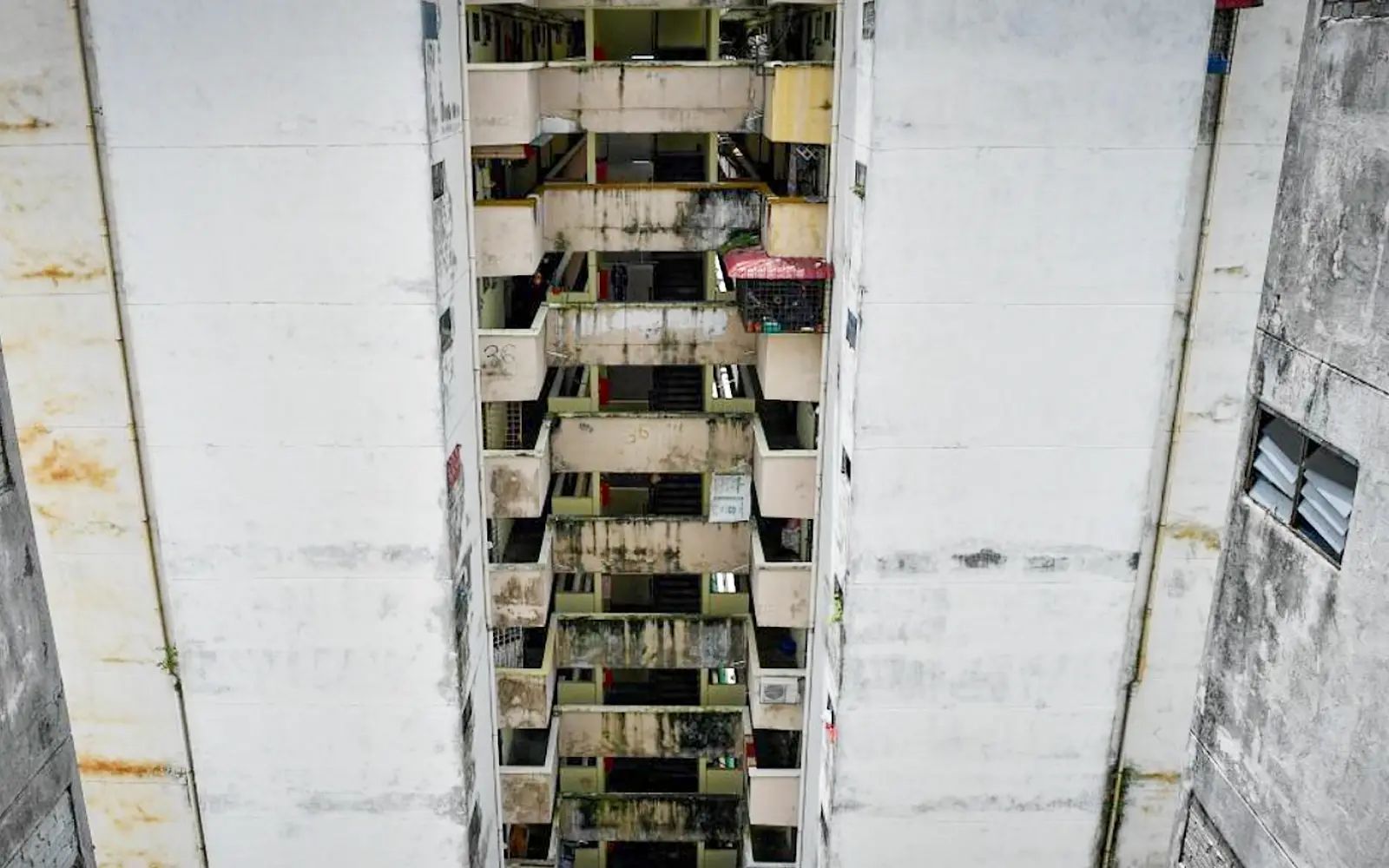
Experts are warning that ageing buildings – especially those between 20 and 50 years old – could be quietly affecting the health and safety of those who live or spend long periods in them.
With many high-rise apartments and offices built decades ago still in use today, concerns are growing that they no longer meet modern standards for safety, ventilation and overall well-being.
In fact, two-thirds of Malaysia’s existing buildings are expected to be in use until 2050. Yet, regular maintenance does not always keep pace.
According to building survey expert Mohammad Ashraf Abdul Rahman, older homes and flats were often built using materials now known to pose health risks. These include asbestos, lead-based paint, ageing wiring and outdated piping systems, as well as issues like persistent dampness and poor ventilation.
“Asbestos was widely used in roofs, ceilings and insulation because it was cheap and durable. But when it becomes damaged or disturbed, it can release microscopic fibres into the air,” he said.
Inhaling these fibres has been linked to serious illnesses, including lung disease and cancer.
Moisture is another major culprit. Leaky roofs or poorly maintained pipes can create the perfect environment for black mould, which releases spores that may trigger allergies, asthma and other respiratory problems – particularly among children and the elderly.
When buildings become ‘sick’
Public health experts refer to this phenomenon as “sick building syndrome”, a condition where occupants experience symptoms linked to the environment they live or work in.
Rosnah Ismail, a lecturer in public health medicine, said a building is considered “sick” when at least 20% of its occupants report issues such as headaches, fatigue, eye irritation or itchy skin – symptoms that often improve once they leave the space.
One of the key causes, she said, is outdated building design. Older structures may allow outdoor pollutants – such as vehicle emissions or industrial dust – to seep indoors, especially if ventilation systems are inadequate.
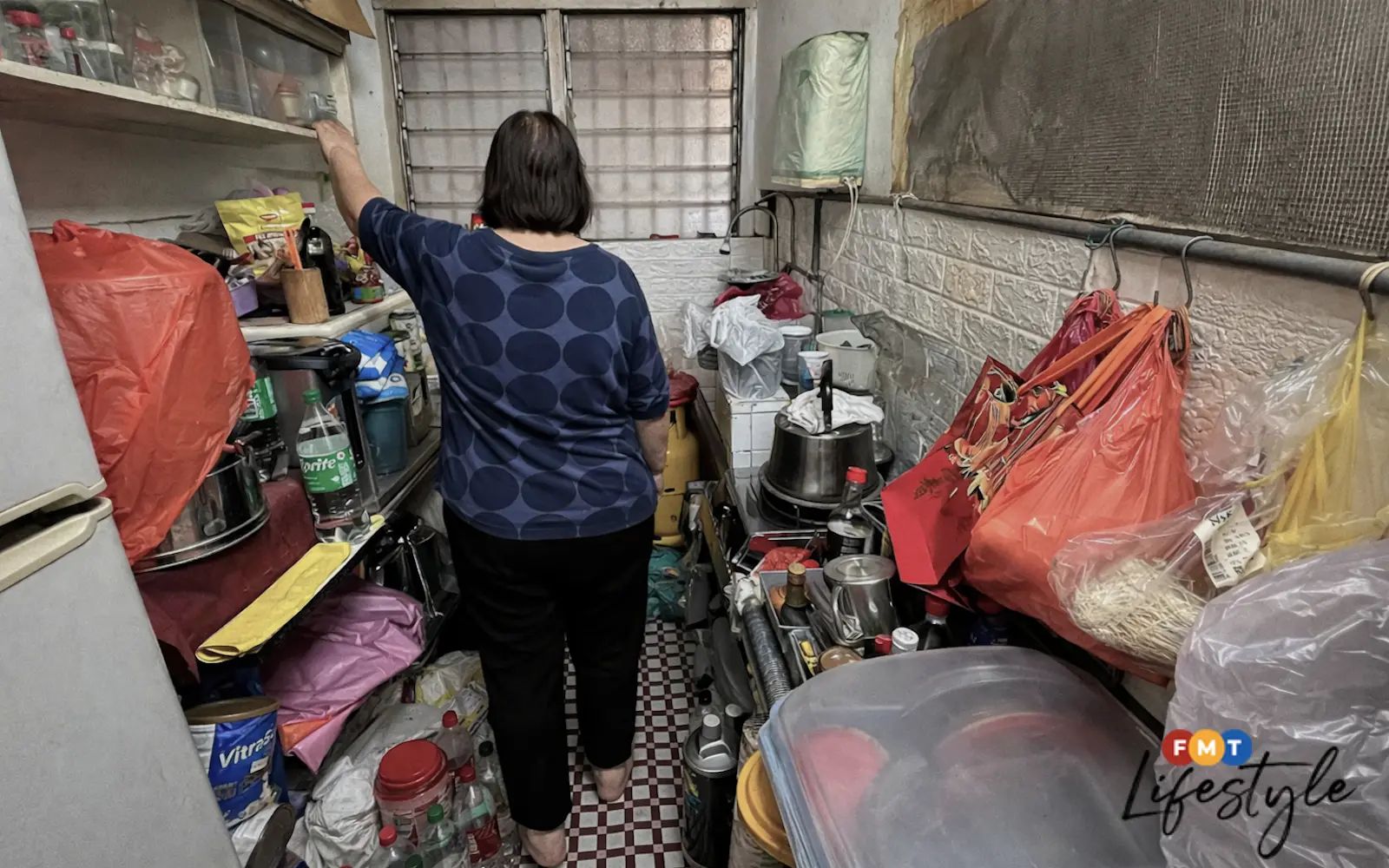
Prolonged exposure can take a toll, particularly on vulnerable groups. Children, whose respiratory systems are still developing, and older adults with existing health conditions are among the most at risk.
The effects of a poorly maintained home are not just physical: according to clinical psychologist Faridah Hamimi, an unhealthy environment can also affect mental well-being.
“Homes with leaks or cracks can create a sense of insecurity and increase anxiety. A lack of natural light can disrupt sleep patterns and lead to fatigue, which over time may contribute to depression,” she said.
Why upkeep is so challenging
If the risks are clear, why are so many buildings still poorly maintained? Part of the issue lies in cost and coordination.
Lawyer Muhammad Akram Abdul Aziz said many joint management bodies and management corporations, particularly in low-cost flats, struggle with unpaid maintenance fees. This makes it difficult to carry out essential repairs, even when problems are known.
While there are legal provisions under the Strata Management Act 2013 to address defaulters, enforcement can be costly and time-consuming. This is why some building managements have turned to alternative approaches such as renting out rooftop gardens, and creating co-working and advertising spaces to generate sustainable income.
Still, these measures alone may not be enough. And as Malaysia’s building stock continues to age, the need for consistent maintenance is becoming harder to ignore.
Experts stress that upgrading materials, improving ventilation, and addressing structural issues are not just about preserving buildings, but about protecting the people inside them. Because sometimes, the biggest risks are the ones that aren’t immediately seen.