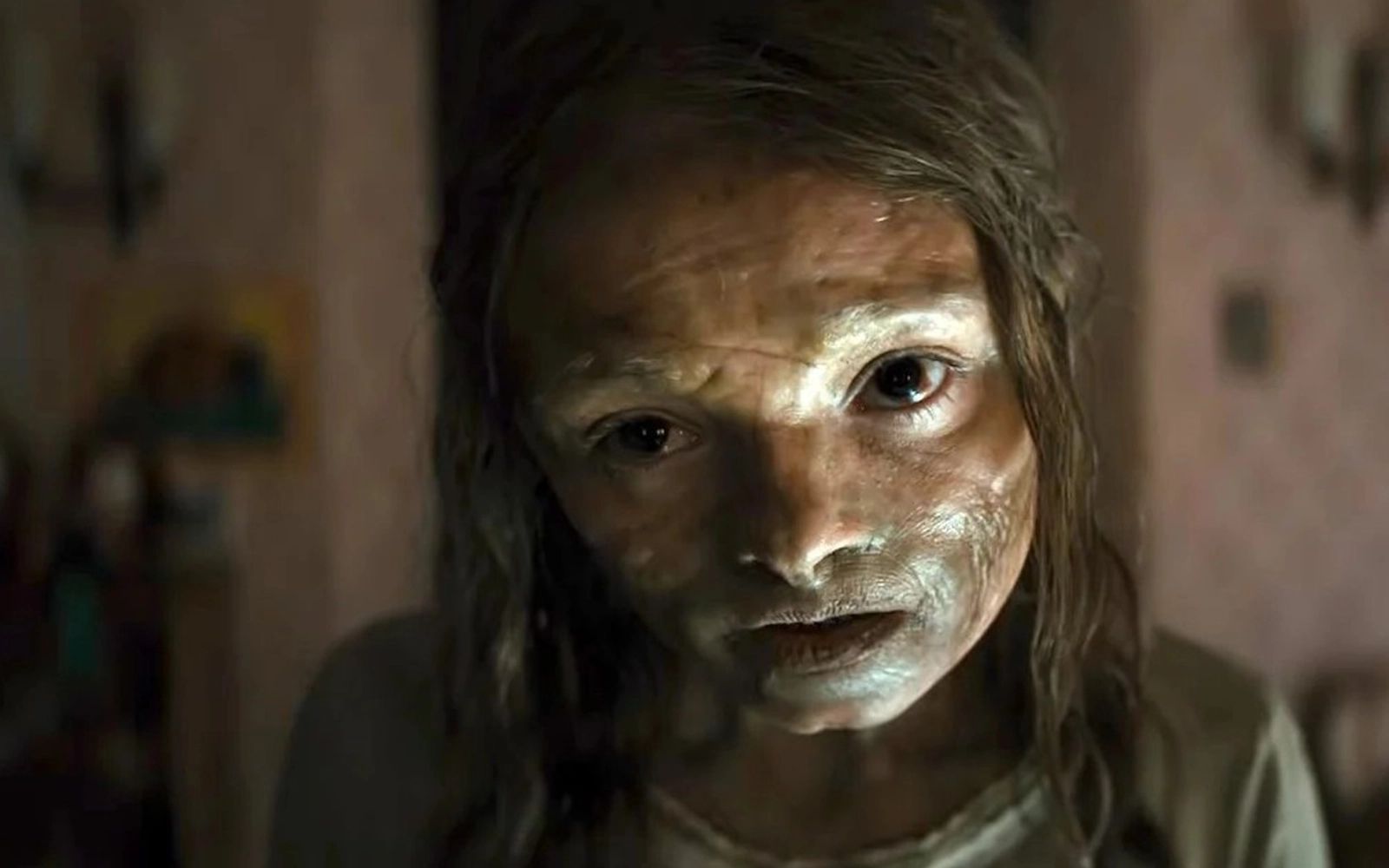
What’s even more terrifying is receiving a call almost a decade later that your kidnapped child has been found… but they are no longer the same.
Face disfigured, arms and fingers twisted into knots, plagued by random convulsions and guttural sounds, and skin as pallid as a corpse left too long in the cold. This is the horrifying situation the Cannon family finds themselves in in “Lee Cronin’s The Mummy”.
A bold addition to the Mummy universe, this 120-minute film grapples with the devastating impact of losing a daughter – and the trauma of getting her back under deeply suspicious circumstances.
For fans of the original franchise starring Brendan Fraser and Rachel Weisz, this horror flick does not dwell on ancient mythology or world-ending catastrophes. Instead, it leans heavily into gore, psychological horror, and pure unfiltered terror.
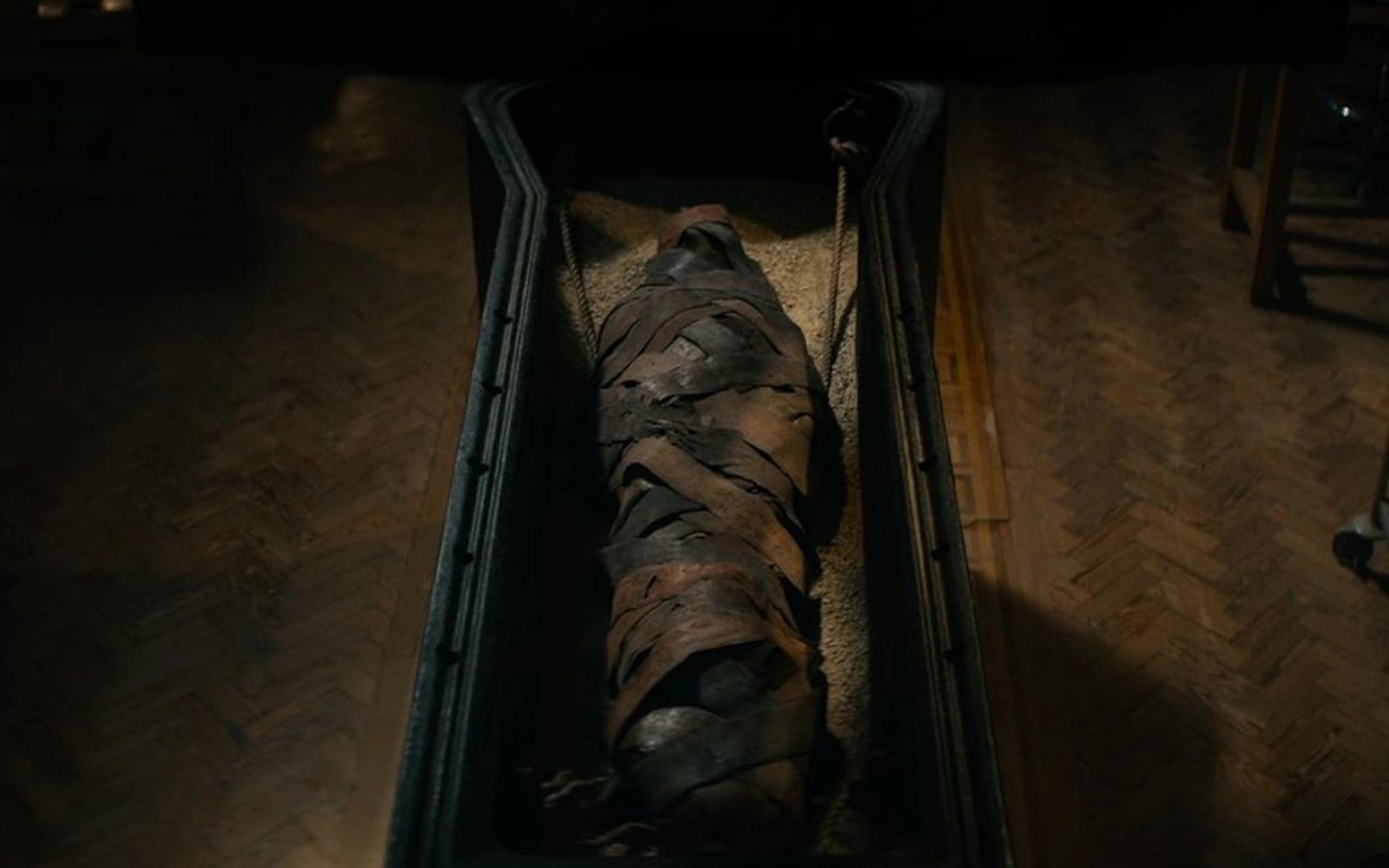
Lee Cronin, the Irish filmmaker behind horror films such as “The Hole in the Ground” and “Evil Dead Rise”, brings his signature sense of dread, foreboding atmosphere, and uncomfortable close-ups that make “The Mummy” quite the harrowing ride.
But like any ride, there are bound to be bumps along the way… and “The Mummy” has a few glaring ones.
“The Mummy” follows a journalist’s family whose daughter Katie (Natalie Grace) mysteriously disappears in Egypt, leaving them shattered by grief. Eight years later, she is found – sealed inside an ancient sarcophagus. When she is brought home, it becomes clear that her ordeal has left more than physical scars.
What initially seems like trauma soon points to something far darker: an ancient force that may have come back with her, a dark being bound in a sarcophagus with an ancient spell.
With the help of an Egyptian detective, the family tries to put an end to the demonic attack as strange and increasingly terrifying occurrences unfold around them.
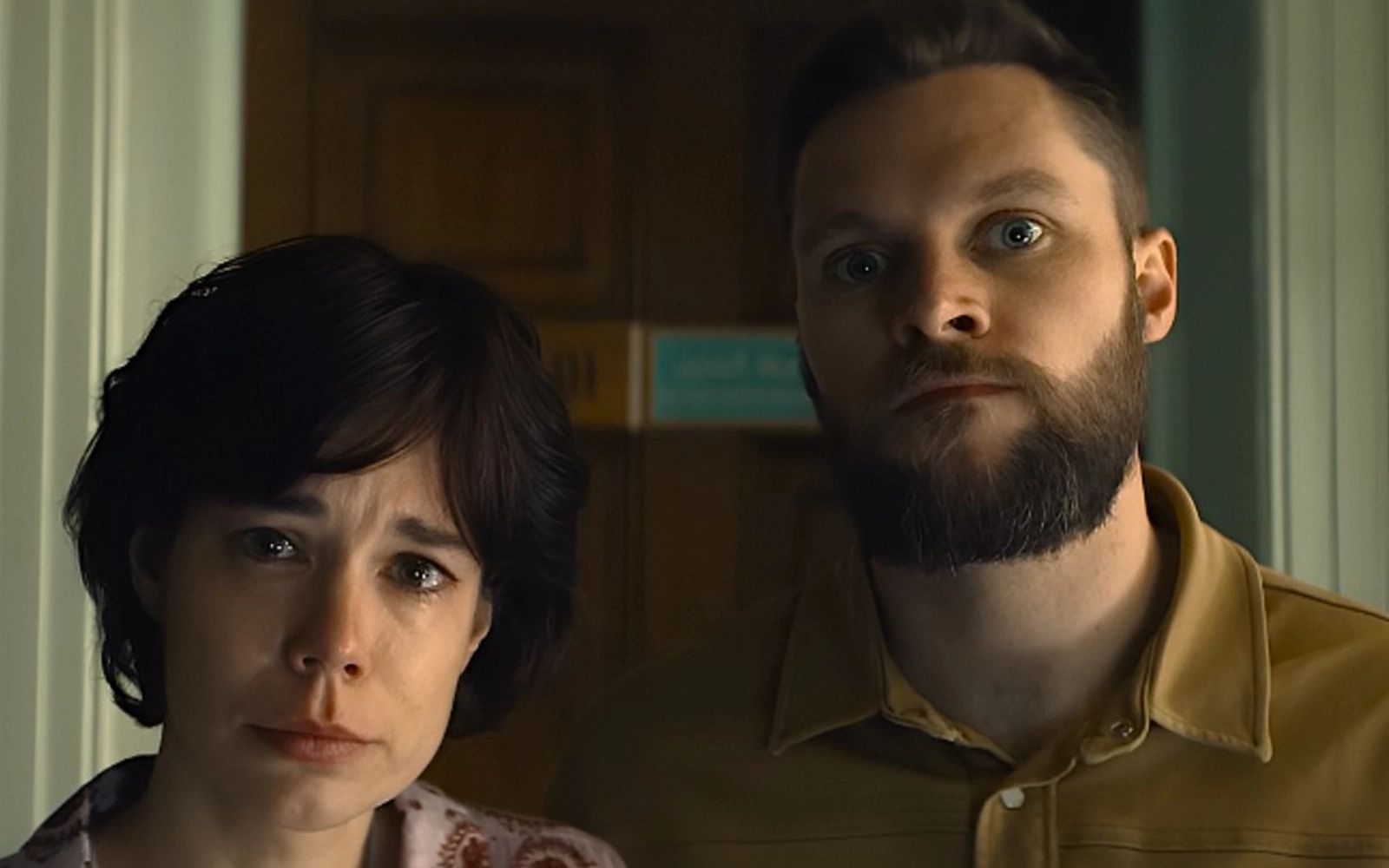
Like Cronin’s previous horror films, “The Mummy” leans more into body horror and gore than the supernatural. Expect blood, torn flesh, and teeth and nails being painfully ripped out – it’s not for the squeamish.
One particularly disturbing scene shows Katie’s mother trying to cut her overgrown, rotting toenail, only to peel away skin from her leg along with it.
There is also the psychological terror of losing your daughter, getting her back after so many years, only for her to be a source of trauma.
But even as Cronin draws audiences into a tense domestic horror where grief, guilt, and fear collide, the film ultimately stumbles in its final act, where logic is abandoned and its own rules are blatantly broken.
For instance, when Katie’s father learns from a professor about the protective spell scripts inscribed on the linen cloths found on her body – that they are meant to contain an ancient demon that destroys families – he chooses not to tell anyone about it. Why would he keep such a crucial piece of information from his wife? It makes no logical sense, except to set up for the final battle.
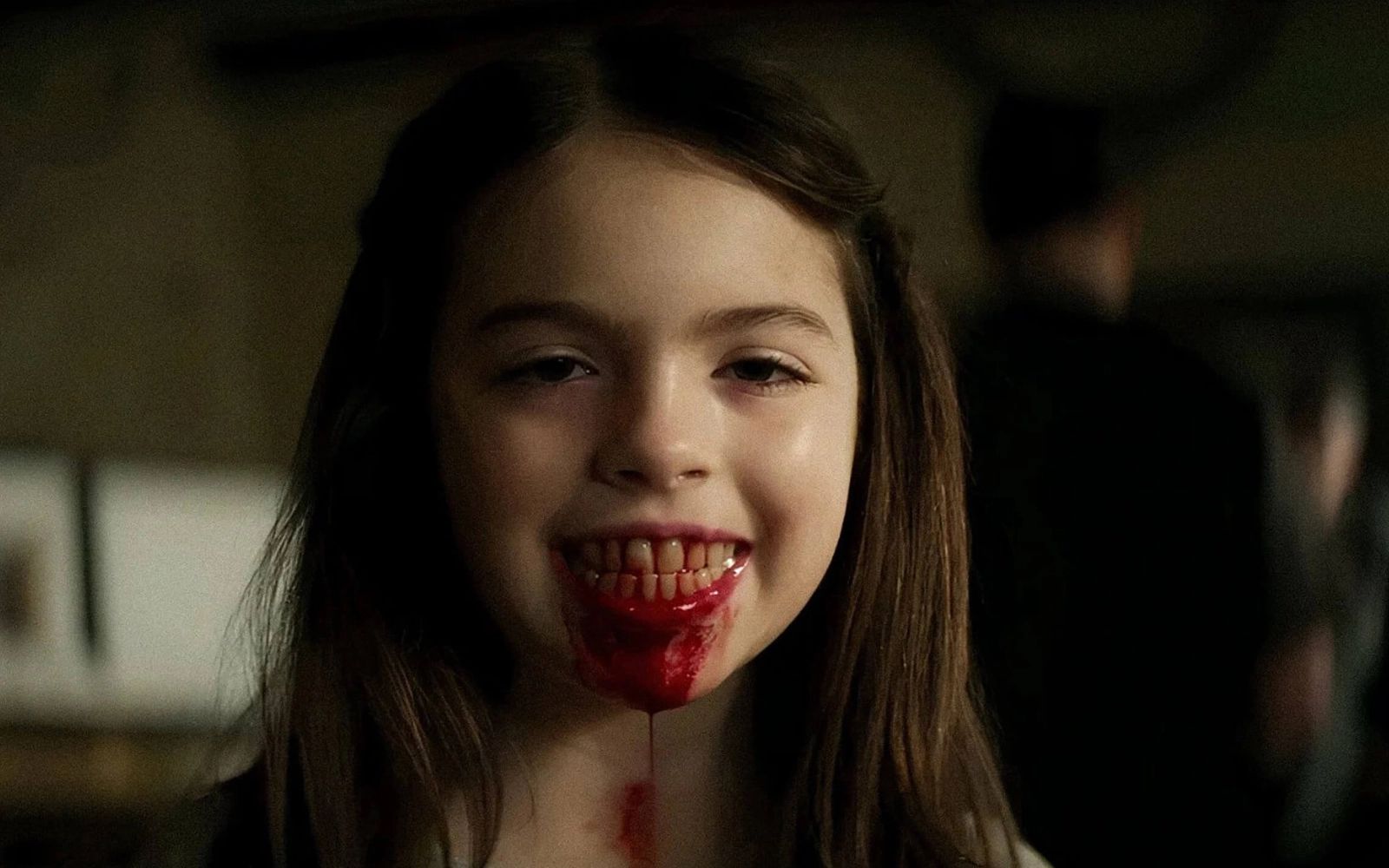
This leads to “The Mummy’s” nonsensical ending. How does the Egyptian detective recite a generational spell so fluently after hearing it only a few times? And when the demon transfers hosts, how do they suddenly know the exact protective scripts to inscribe on the body and walls?
The biggest question: how did they transport a fully possessed host from the US to Egypt without a sarcophagus and without raising suspicion? And why didn’t the demon resist and wreak havoc? All of this contradicts the film’s own rules and undermines the experience.
Ultimately, “Lee Cronin’s The Mummy” has enough gore and horror to keep you glued to the cinema screen but its shaky logic and underwhelming final act prevent it from fully delivering on its promise.
As of press time, ‘Lee Cronin’s The Mummy’ is screening in cinemas nationwide.