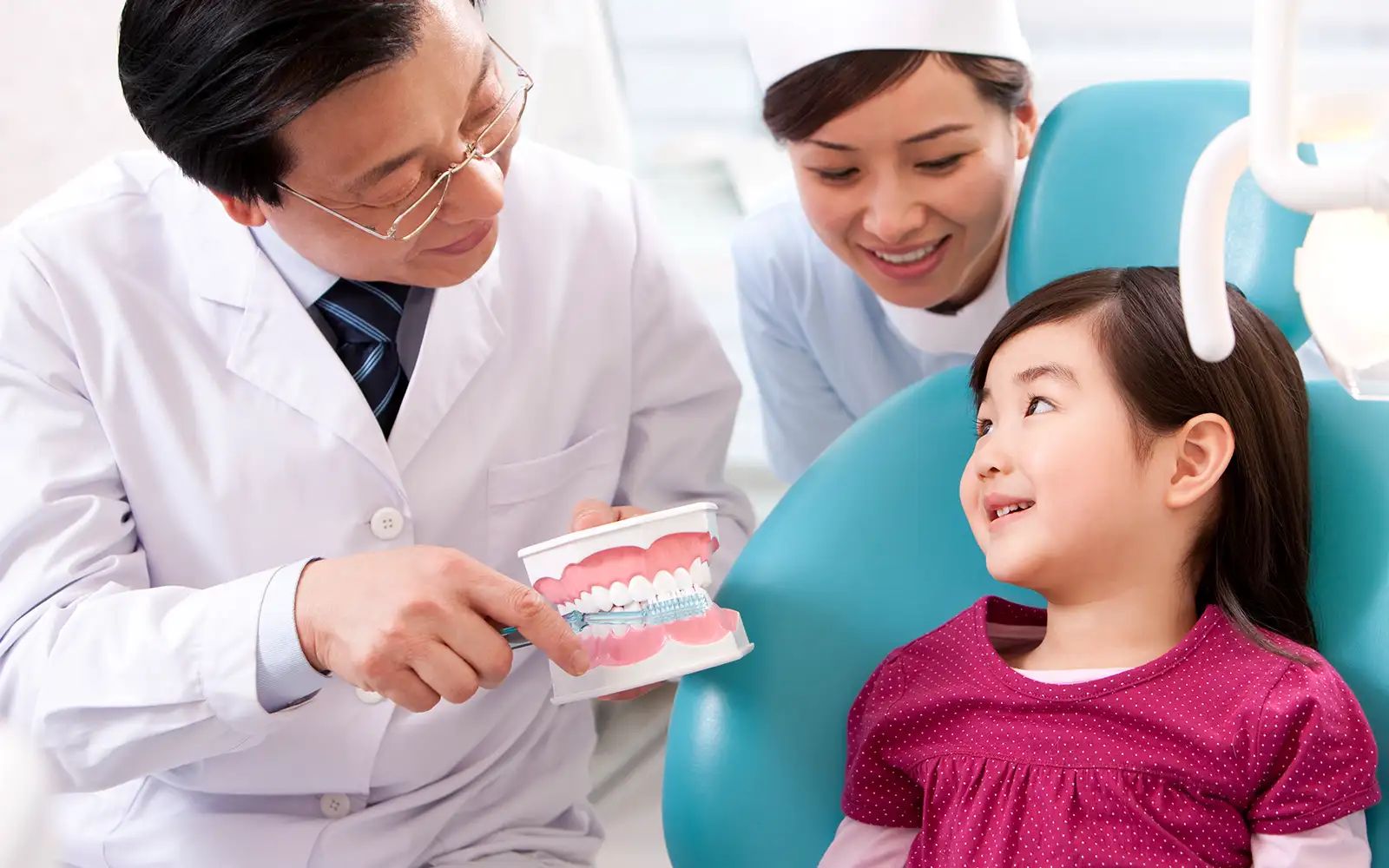
Yet, the condition of a child’s teeth can shape their confidence.
Children with poor oral health may become withdrawn or self-conscious – covering their mouths when they laugh or never smiling in photos. Left unaddressed, it can shape how they see themselves and interact with others.
To learn more about oral health issues affecting children and what parents can do to prevent them, FMT Lifestyle spoke with Dr Ashwini M Madawana @ Madawan, a paediatric dental specialist from Oriental Melaka Straits Medical Centre.
In January, Ashwini was also recognised by the Malaysia Book of Records for the “Most Academic Articles Published by a Dental Specialist in a Year”.
According to her, the most common issue among children below the age of seven is dental caries. Also known as tooth decay or cavities, it occurs when acids produced by bacteria in dental plaque gradually erode the tooth.
“If you notice chalky white spots and the tooth becoming a little dull, that is the first sign that parents should come and see us,” said Ashwini, 34.
The main causes of caries are poor oral hygiene and a diet high in sugar and starches. Starches can be broken down into sugars in the mouth and feed acid-producing bacteria.
Prevention, she added, starts with proper oral care – including brushing with fluoride toothpaste, which can help prevent tooth decay – alongside limiting foods and drinks high in sugar and starch.
Each time sugary or starchy foods and drinks are consumed, the mouth becomes more acidic, increasing the risk of enamel damage. Frequent snacking, therefore, exposes the teeth to repeated acid attacks.

Another common issue is malocclusion, or misalignment of the teeth and jaws – often seen during the “mixed dentition” phase.
“This is a period between ages seven and 12 when a child has both their baby teeth and a few permanent teeth.”
Signs of malocclusion include crowded or crooked teeth, difficulty biting or chewing and frequent biting of the inner cheeks or tongue.
Malocclusion can be caused by several factors including genetics, retained baby teeth which are primary teeth that do not fall out on time, and thumb-sucking and nail-biting.
To prevent malocclusion, Ashwini emphasised the importance of regular dental check-ups. She recommends a child’s first visit by age one, or within six months of the first tooth erupting.
After that, check-ups should be scheduled every six months, or more frequently if advised by the dentist.
Dental trauma is also common among children. This refers to injuries to the teeth, gums, jaws or surrounding structures, often caused by falls, accidents or sports.
“In these cases, I would advise that parents bring their children to get checked, even if the child is not in pain, as there may be underlying injuries that are easily overlooked,” said Ashwini, who lectures part-time at International Medical University (IMU).
Ashwini also highlighted the psychological aspect of oral care, such as dental anxiety – the fear or stress associated with a dental setting.
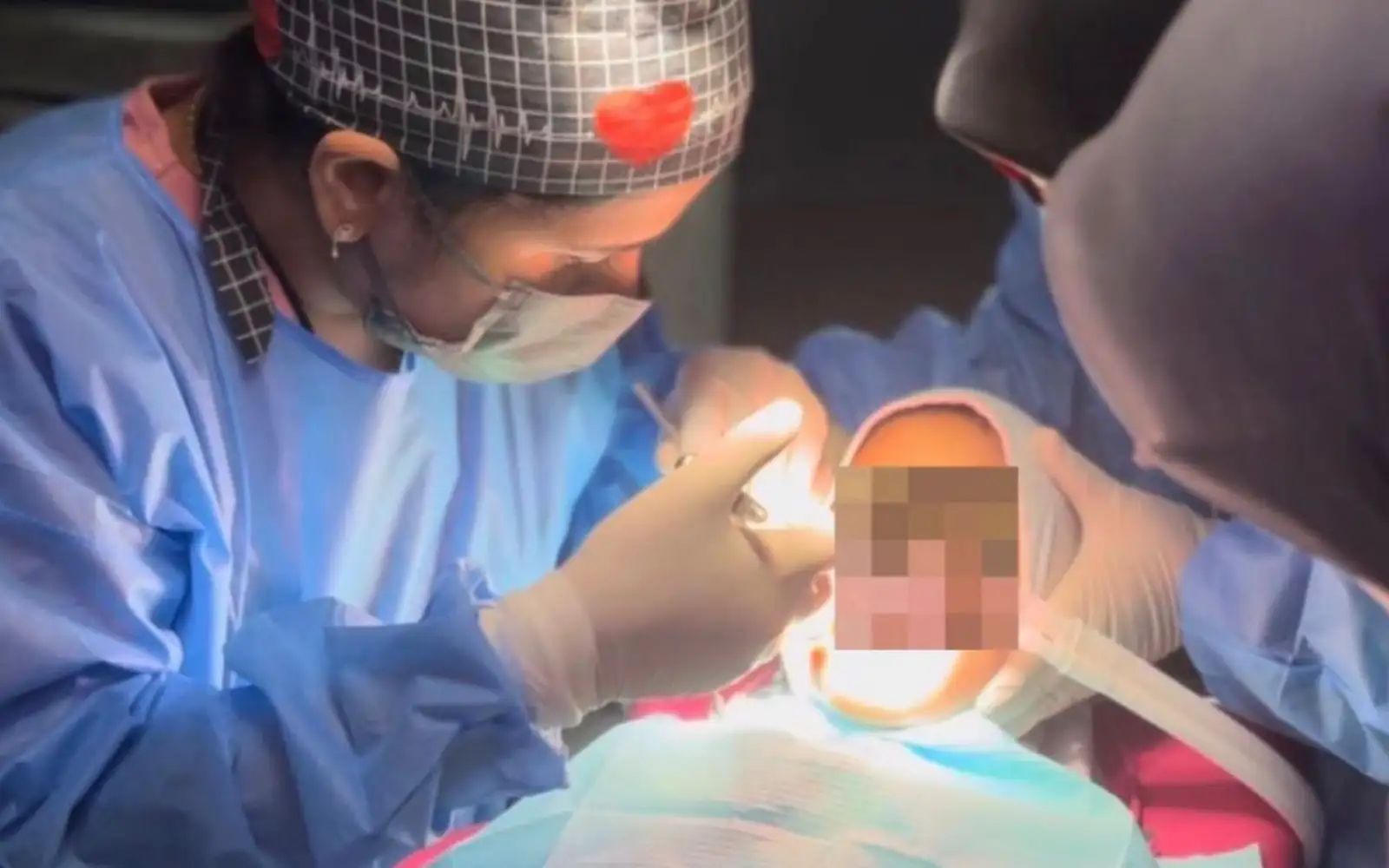
Parents, she emphasised, play a key role in shaping how their children perceive dental visits.
“Some parents tell their children, ‘If you don’t study well, I will ask the dentist to pull your teeth’. For me, this creates a bad impression of dentists.”
So, how does she help young patients feel at ease? “During their first visit, if it’s not an emergency, I’ll allow them to touch my instruments.”
She also introduces these tools in a fun way, referring to the suction as a “magical straw” and the probe as a “magical pencil”.
She then uses the “tell, show and do” technique – first explaining what the instrument does, then demonstrating how it works, and for older children, allowing them to try it themselves.
Extending her efforts further, Ashwini has authored a book titled “Magical Molars” to help ease dental anxiety in children.
Ultimately, her message to parents is simple: “If parents can invest in their children’s oral health from as early as six months onwards, it could help avoid spending more later.”
Follow Ashwini on Instagram. To purchase ‘Magical Molars’, click here.