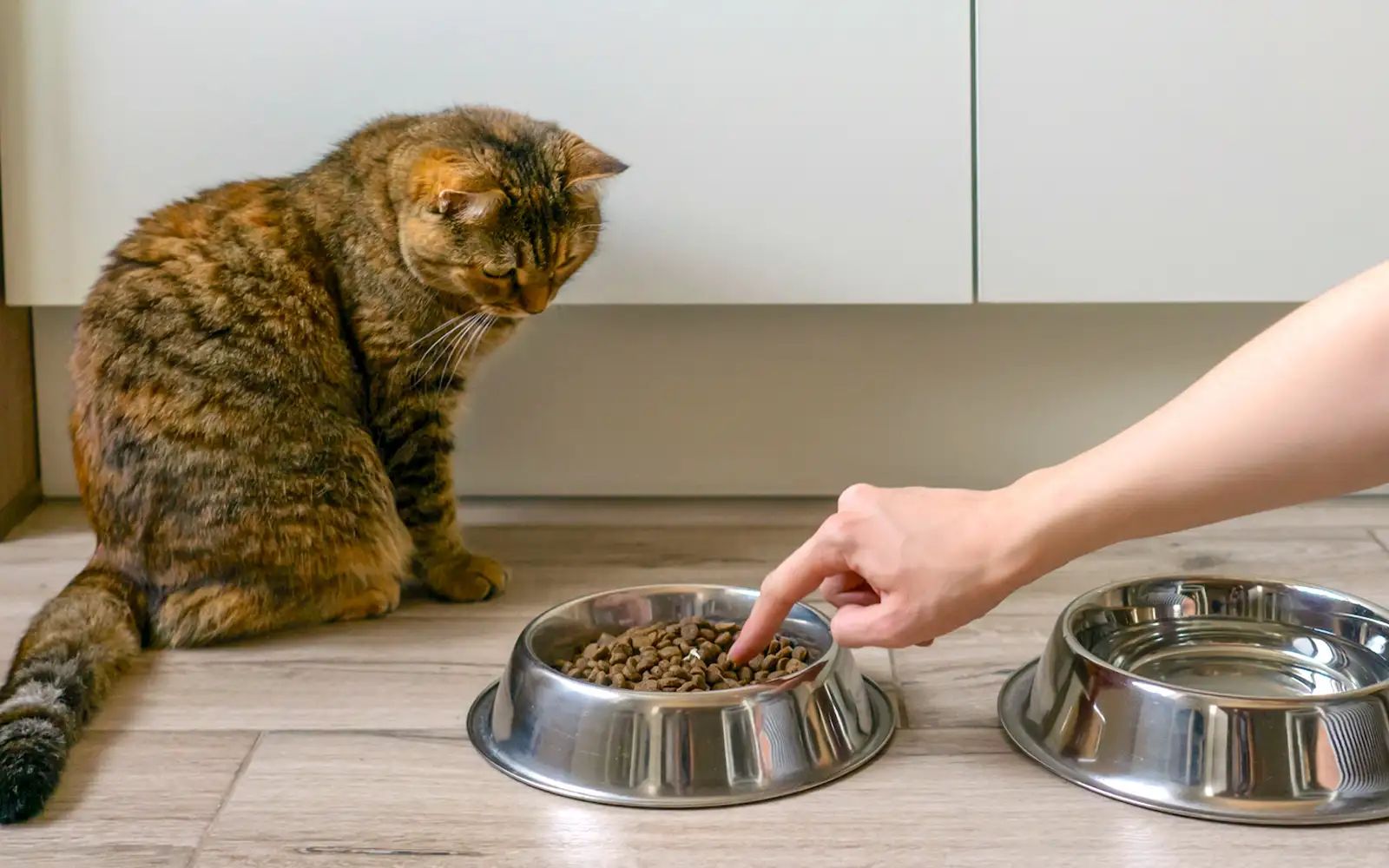
Sound familiar? Science may finally have an answer to this daily feline drama – and it turns out your cat isn’t necessarily being difficult, it’s just bored of the smell.
Recent research from Japan suggests that cats do not always stop eating simply because they are full. Instead, their noses may be calling the shots.
In a study published in Physiology & Behavior, researchers observed that cats gradually lost interest when given the same dry food repeatedly. Yet the moment something new was introduced, whether a new flavour or even just a different smell, their appetite bounced right back.
“This suggests that olfactory habituation and dishabituation play an important role in feeding motivation in cats,” said Masao Miyazaki, a professor of veterinary medicine at Iwate University and senior author of the study.
Anyone who lives with cats will recognise the pattern of half-finished meals. While some felines may return to nibble throughout the day, others seem to expect their humans to refresh the bowl as if the leftovers no longer exist.
It is a behaviour Miyazaki himself noticed at home. “I have five dogs, and they tend to eat their food very quickly. In contrast, when I feed the cats used in our research, they eat slowly and often leave some food behind,” he outlined.
“At one point, I became very curious about this difference, which led me to start this research.”
To investigate, the team worked with 12 cats and six types of commercially available dry food. One option emerged as a clear favourite, but preference did not stop the pattern.
When the cats were given the same food repeatedly over a two-hour period, they ate less with each serving. This happened even with their most preferred option.
As the study notes, food intake “gradually decreased with repeated presentation of the same diet”, suggesting that something beyond simple satiety was at play.
But when the meals changed between servings, the cats ate more overall. A similar effect appeared when a new food was introduced after several rounds of the same one.
Even more striking, the researchers found that “food intake recovered when a novel diet was presented”, including cases where the new option had previously ranked lower in preference.
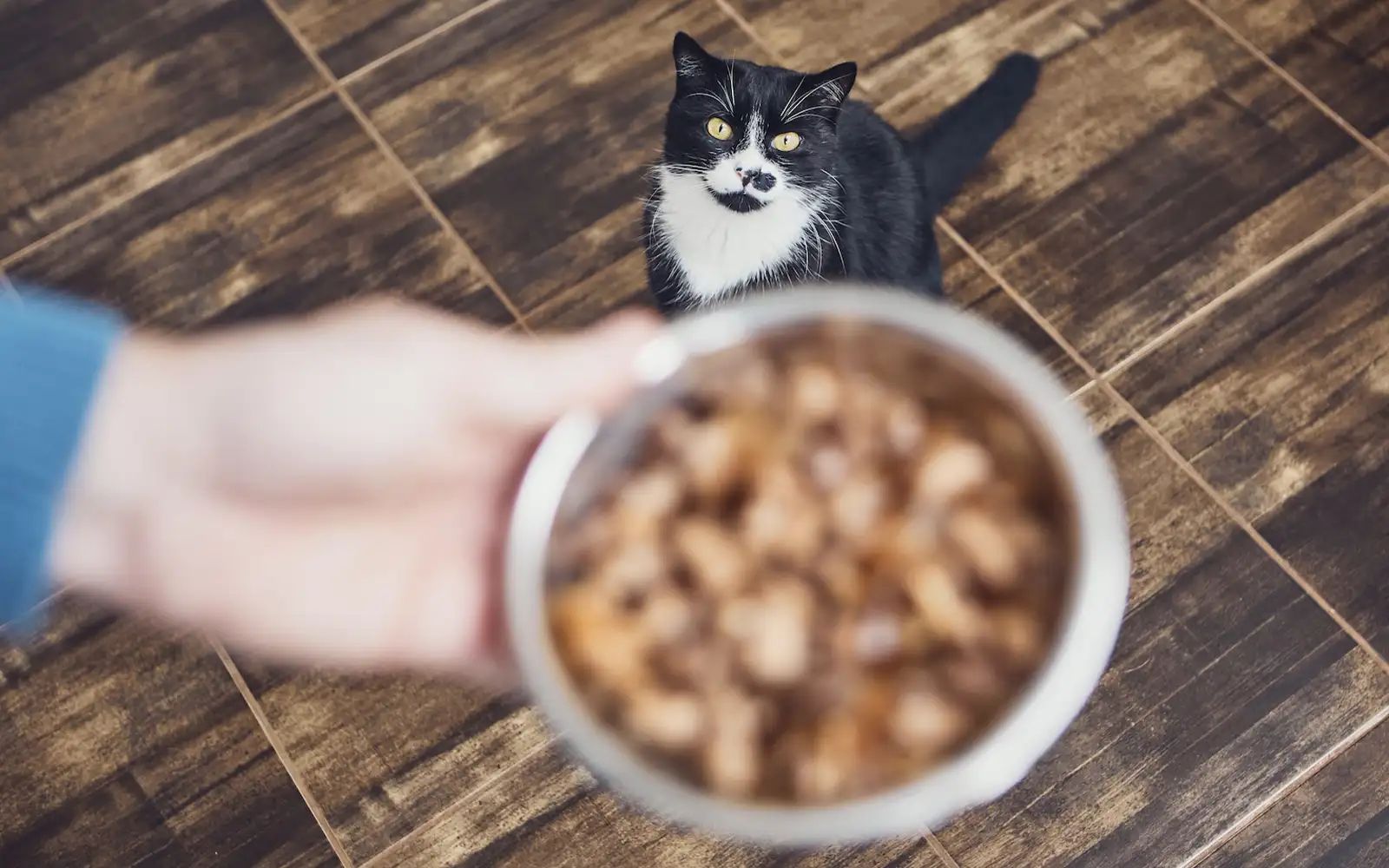
Smell alone also made a difference: cats exposed to the same food odour between meals ate less, while a new scent paired with the same food encouraged them to eat more.
“What our basic research suggests is that smell is an important factor in feline appetite,” Miyazaki concluded.
The findings align with what scientists already know about humans, where repeated exposure to the same food can dull both taste perception and the desire to keep eating.
There are, however, limits to the study: it involved a small group of cats, none of which was neutered or spayed.
Other factors may also influence appetite. Some owners, for instance, believe whisker contact with bowls affects eating, though evidence for that remains limited.
Still, the research opens up some practical possibilities. Changing odour cues may help support feeding in cats with poor appetite, such as older or sick cats,” Miyazaki suggested.
“For example, it may be helpful to change the smell of food by adding something like a topper or sprinkle.”
On the flipside, sticking to a consistent diet could help manage weight in cats that tend to overeat.
The team plans to dig deeper into how the brain and body respond to these sensory cues. Future work may look at changes in blood glucose and hormones, as well as studies involving cats of different ages and health conditions.
So the next time your cat demands dinner, takes a few bites and dramatically walks off, it may not be rejecting you. It may just be thinking: same ol’ smell, same ol’ story.