
It is a small moment in a Finnish classroom, but it reflects a much larger idea: climate awareness begins early and is woven into everyday life.
Visits to schools and universities in Finland reveal how deeply this mindset is embedded. Sustainability is not treated as an abstract concept but as a way of thinking and living that evolves as children grow.
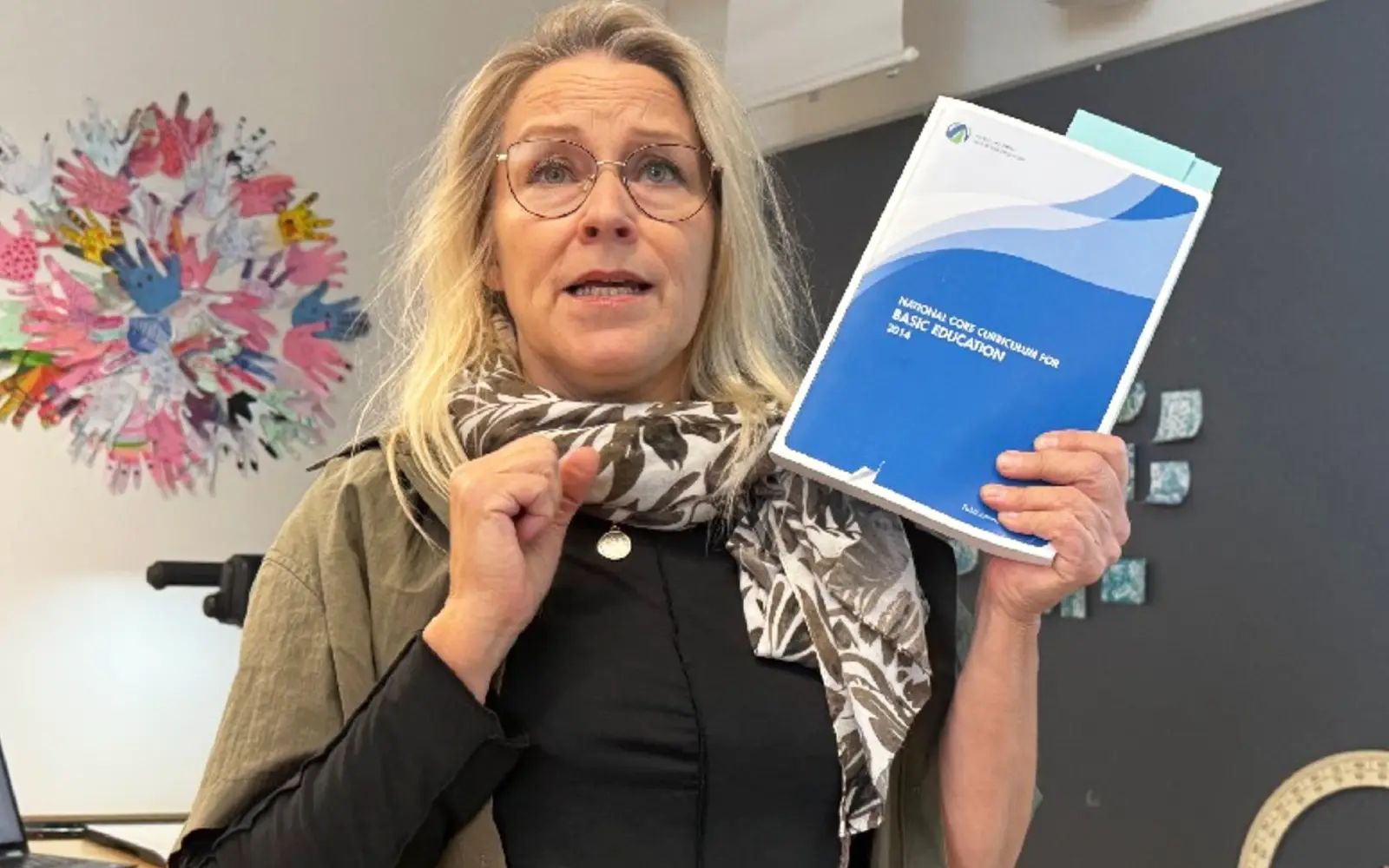
At the University of Helsinki’s teacher training school, sustainability is part of the national curriculum, framed around responsibility, participation, and building a sustainable future.
From preschool, children are introduced to simple practices such as sorting waste, understanding environmental impact, and taking part in small sustainability projects. These everyday actions form the foundation of habits that tend to stick.
And the approach goes beyond science: lessons often blend environmental awareness with art, music and emotional learning, helping children connect with conservation issues in a more personal way.
For some families, the impact is immediate. Eight-year-old Muneef Anaaqi, a Malaysian living in Helsinki, has taken these lessons home. His mother, Nur Atiqah Ibrahim Istar, said recycling has become second nature to him.
“Whenever we buy bottled drinks, he insists on disposing of them in the correct recycling bins. That’s what he has learnt since preschool,” she said.
Finland’s deposit-return system reinforces this behaviour: empty bottles can be returned for a small refund, turning recycling into something both practical and rewarding.
For children like Muneef, these routines are not chores; they are part of everyday life.
From awareness to action
By the time students leave high school, the focus shifts from awareness to innovation. At Aalto University, sustainability often takes shape through student-led projects, many of which are showcased through exhibitions.
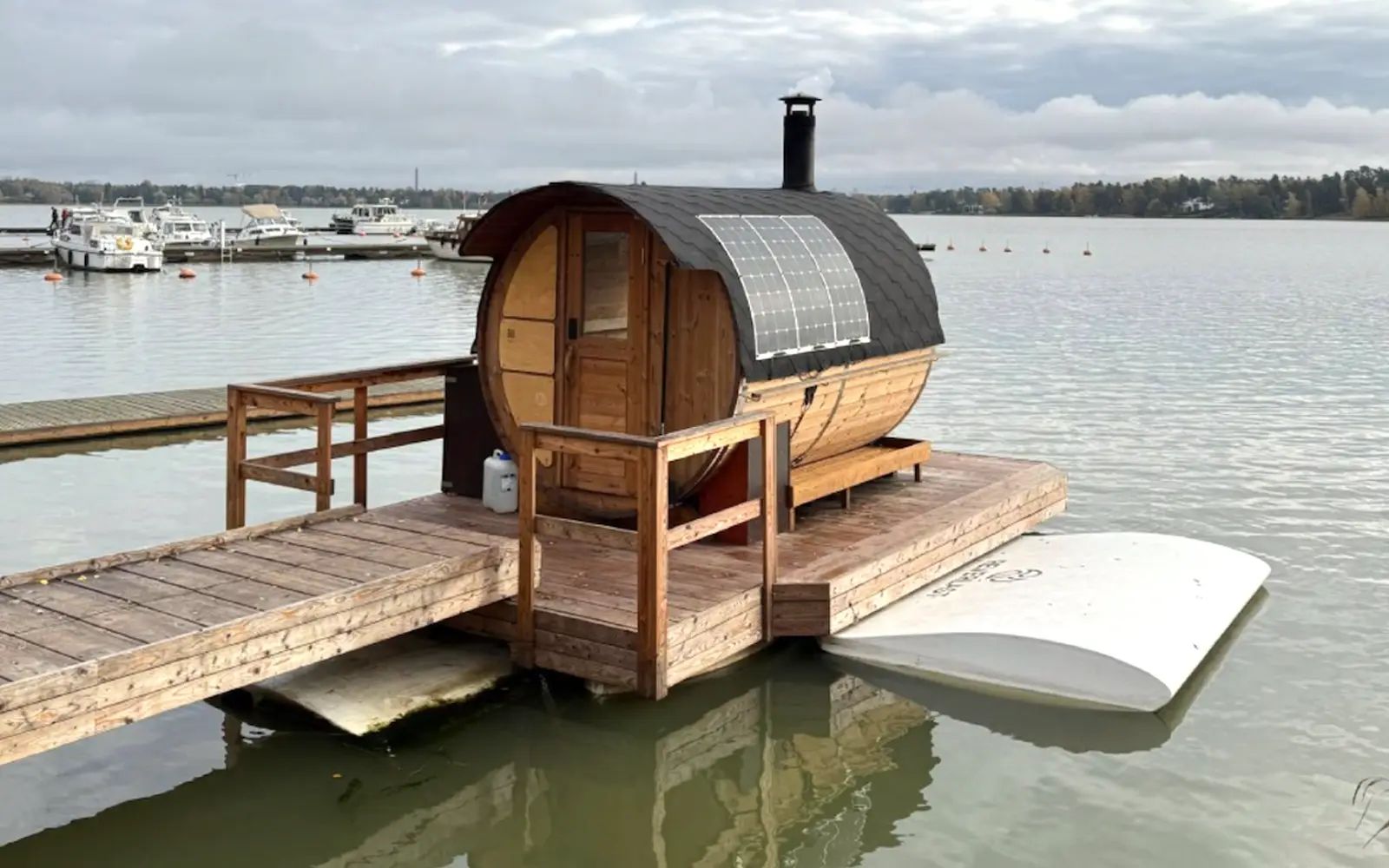
Some ideas are quietly ingenious – from plastic-free pregnancy tests to compact wooden living units designed with minimal environmental impact. Others push the boundaries further, such as a startup that repurposes discarded wind turbine blades into floating docks.
Together, they reflect a system that encourages students not just to understand environmental challenges, but to respond to them.
What stands out in Finland is how consistent the message is. From sorting household waste to reducing plastic use, sustainability is not treated as an obligation but as a habit, something that becomes almost instinctive over time.
Education plays a central role but it is reinforced by the environment children grow up in, where small actions are normalised and supported.
Back home, Malaysia is also taking steps to strengthen environmental awareness, even though the approach is still evolving.
Under the National Education Plan 2026-2035, sustainability is being integrated more systematically into the schooling system, with a focus on building green skills, empowering educators, and encouraging a whole-school approach.
The subject Alam dan Manusia will be reintroduced in primary schools, aimed at exposing younger students to basic environmental concepts through interactive and engaging methods.
According to education experts, the goal is to move beyond theory and gradually introduce more hands-on learning experiences that allow students to engage directly with environmental issues.
While Malaysia’s efforts are still developing, Finland’s example offers a useful reminder that lasting change often begins with small, consistent actions.
In classrooms, at home and in daily routines, sustainability is not built overnight: it grows over time, shaped by what children see, practise, and carry with them into adulthood.
And sometimes, it starts with something as simple as knowing where to throw a bottle.