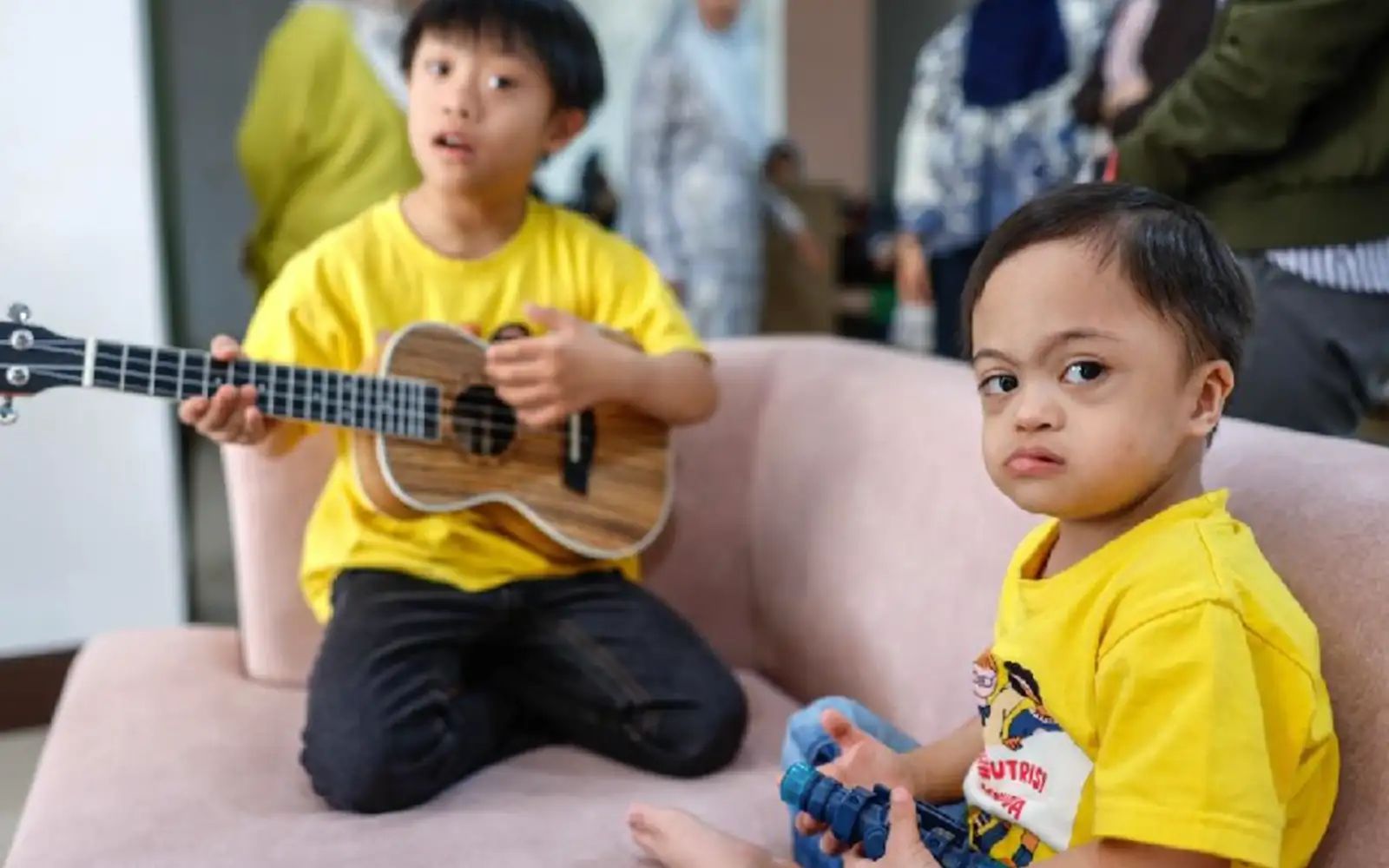
These are milestones that, for his parents, once felt uncertain. Thankfully, his progress was shaped by early intervention, consistent stimulation, and a strong focus on a healthy diet.
This approach would eventually inspire Nazlee to form “Kelab Nutrisi Anak Syurga”, a community that now connects over 260 parents across Malaysia and Indonesia.
Nazlee told Bernama that she had only discovered Aaron’s condition after birth, not having undergone detailed prenatal screening. With no family history, the news came as a shock.
“What made it harder was how negatively children with Down syndrome are often portrayed online,” said the chemical engineer.
Instead of dwelling on the uncertainties, she began learning about the condition. She was guided in part by her late father, neurologist Dr Abdul Aziz Kechil, who introduced her to neuroplasticity – the brain’s ability to adapt and form new connections through repeated stimulation and learning.
That idea became the foundation of her approach: balanced nutrition, early developmental exercises, and consistent cognitive and motor training.
Aaron began speaking at two and reading by four.
More than emotional support
During the pandemic, Nazlee began sharing Aaron’s progress on social media as a way to document his journey. Parents facing similar challenges immediately began reaching out, looking for guidance and reassurance.
Among them was Farah Syazana Amiruddin, who would later become chairperson of the club. Her daughter, Najla Amanda Muhammad Ashraf, experienced seizures early in life and faced the risk of cerebral palsy.
Farah left her job in the oil and gas industry to focus on caregiving. With consistent nutritional care and developmental training, Najla gradually improved.
Today, at age four, she walks, attends school and interacts with her peers.
Speaking with Bernama, Farah explained that Kelab Nutrisi Anak Syurga stands apart by focusing on science-based care alongside emotional support.
From small online sharing sessions in 2022, the initiative has grown into a cross-border support network. Members exchange advice, experiences and practical strategies.
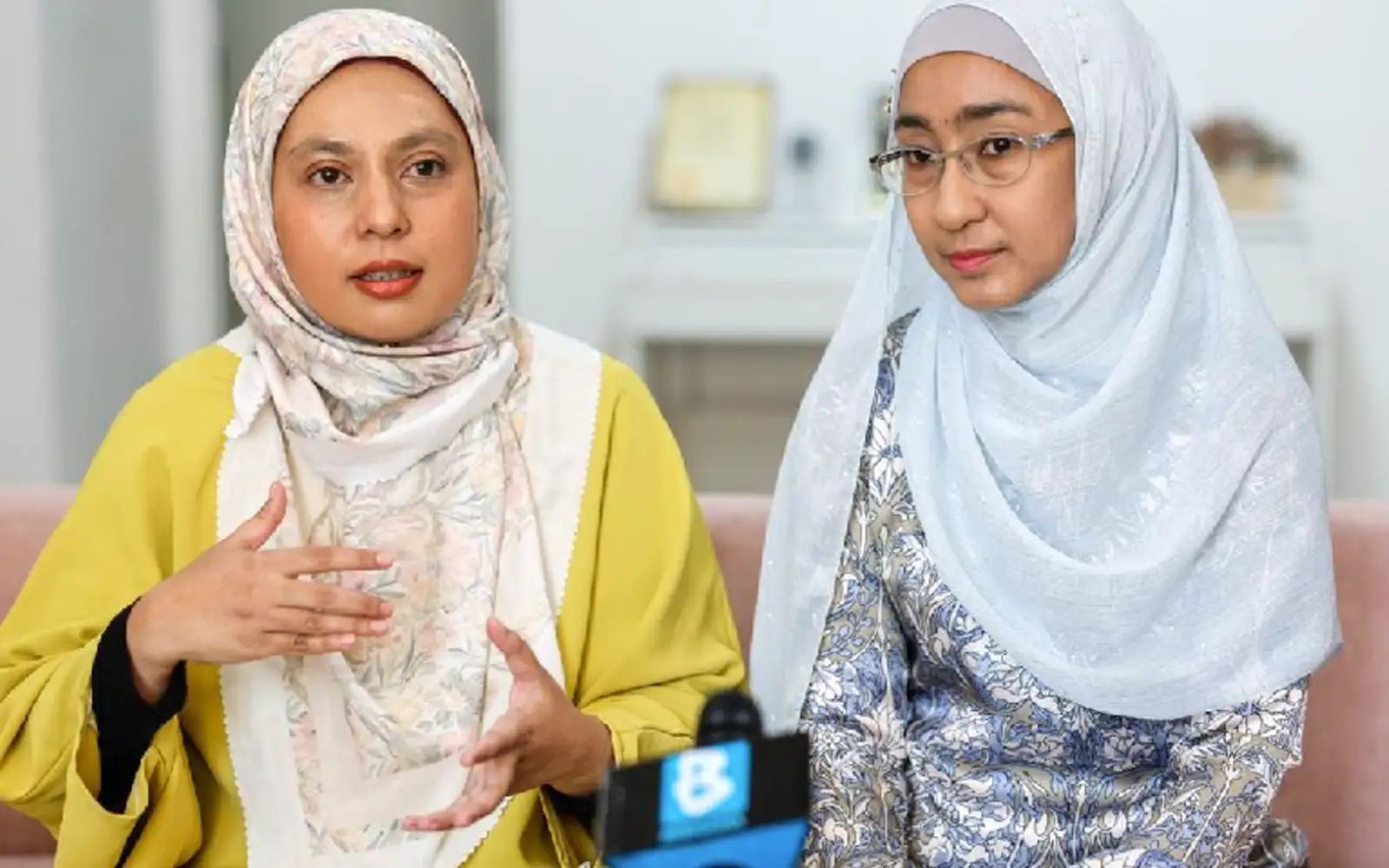
The club organises monthly online sessions on diet, therapy and early stimulation, as well as personalised consultations for families. Parents also meet regularly in person to track progress and build connections.
Farah explained that children with Down syndrome are prone to thyroid disorders, weaker immunity and delayed cognitive development. As such, nutrition plays a key role in supporting brain function and daily energy.
Many children also experience hypotonia – or low muscle tone – especially in the jaw, making chewing and swallowing difficult. Additionally, sensory sensitivities can lead to selective eating.
As such, the group encourages simple steps such as preparing nutrient-rich smoothies using fruits, vegetables and supplements.
“Parents even share videos of their morning routines,” said Farah. “It makes healthy eating more engaging for the children.”
In Malaysia, an estimated 30,000 individuals live with the condition, highlighting the need for greater awareness, early intervention and inclusive education.
Indeed, the club hopes to shift how society views children with Down syndrome. “Many people think they cannot learn or develop like other kids. That is not true,” Farah stressed.
The club, she concluded, has become more than a support network: “It has become like family, and it reminds us that nobody has to go through this alone.”
To learn more about ‘Kelab Nutrisi Anak Syurga’, contact Nazlee Aziz on Facebook.