
Now, a new global ranking suggests otherwise: KL has earned a spot on a list of top walkable cities, its mix of heritage streets, modern landmarks and vibrant food culture drawing attention from travellers.
According to travel platform GuruWalk, the city offers a layered experience that shifts between old and new.
“Walking through the city centre takes you from the colonial quarter with British buildings to futuristic spaces, passing centuries-old Hindu temples and street food stalls where Malay cuisine unfolds all its aromatic complexity,” it said.
While Kuala Lumpur comes in at No. 52, two Vietnamese cities rank higher. Hanoi places 37th, followed closely by Ho Chi Minh City at 38th, reflecting the growing appeal of Southeast Asian destinations for immersive, on-foot exploration.
Hanoi stands out for its Old Quarter, where narrow streets, traditional shopfronts and cultural landmarks are tightly packed, making it ideal for slow, exploratory wandering.
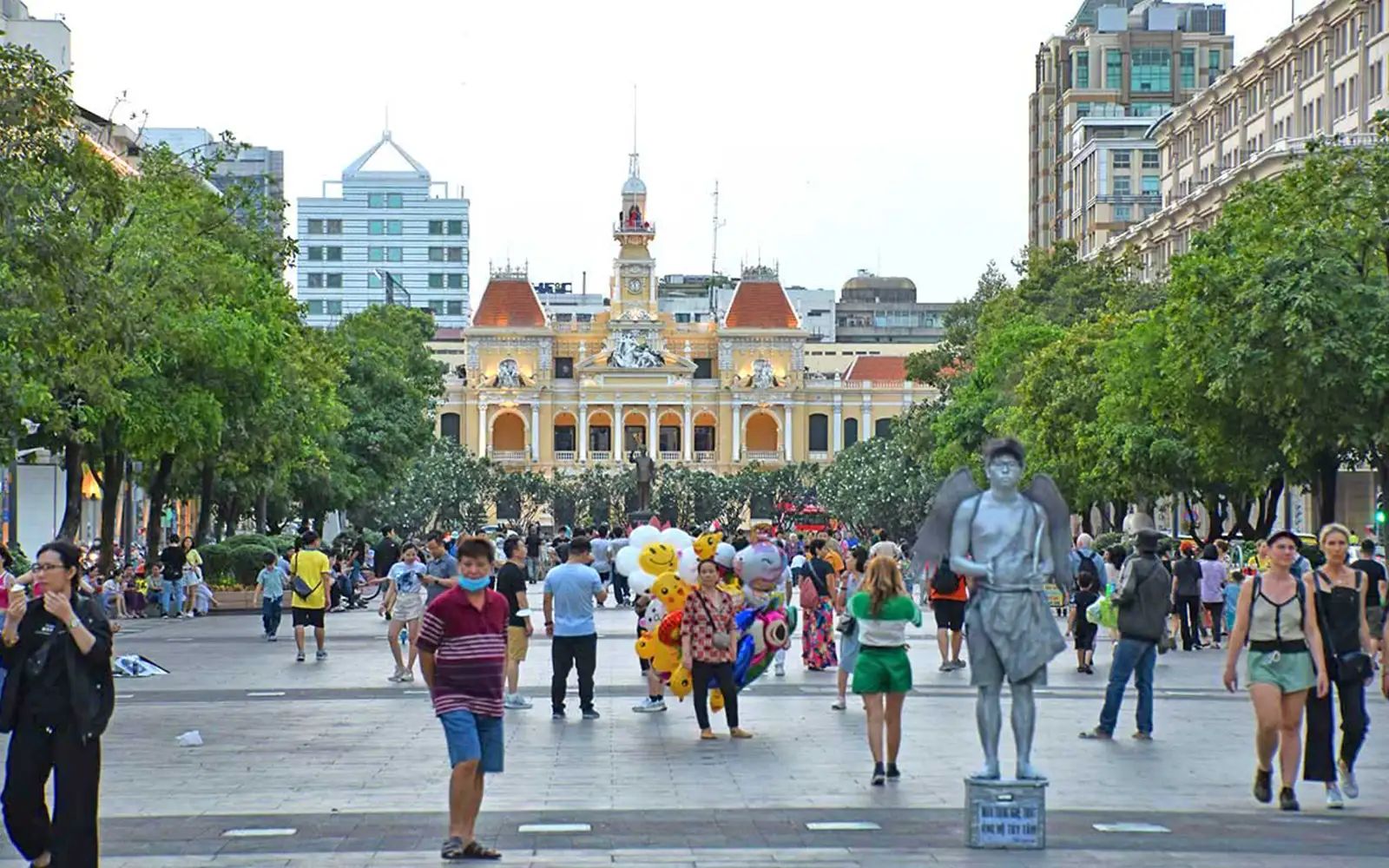
Ho Chi Minh City offers a more fast-paced experience, with a mix of historic and modern architecture alongside a lively street food scene best discovered on foot.
Both cities have been recognised for their dense clusters of attractions and vibrant street life. The list also features Hoi An at No. 64, further underscoring Vietnam’s rising profile.
Curiously, Singapore – popularly known as a walkable destination – lands at No. 70 on the list.
Globally, European cities continue to dominate the rankings, especially within the top 10. Rome takes the top spot, followed by cities such as Madrid, Budapest and Prague.
Cities like Tokyo, Kyoto and New York also feature.
The ranking evaluates destinations based on walkability, density of attractions, accessibility, and the overall experience for those who prefer to explore at street level.
The inclusion of Southeast Asian cities reflects a broader shift in travel preferences: more visitors are choosing to slow down, explore on foot, and engage more deeply with the places they visit.