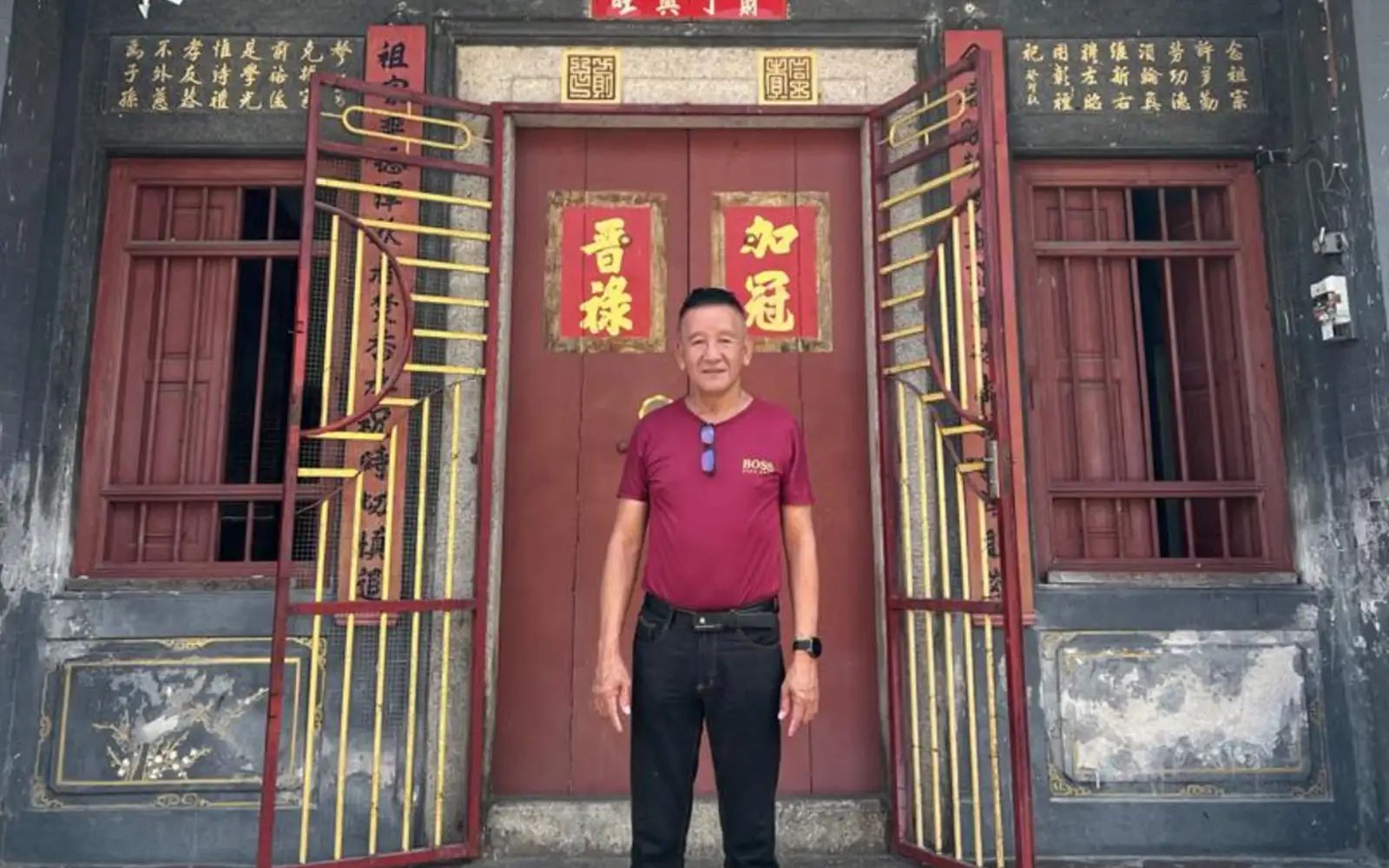
It meant leaving his home in Tanjung Piandang, a quaint fishing village in Perak, for a journey north to Sungai Bakap in Penang, where something familiar awaited.
There, days were spent in the embrace of his family’s ancestral home – a sprawling compound called the Kee Poh Huat Kongsi, believed to date back to 1872.
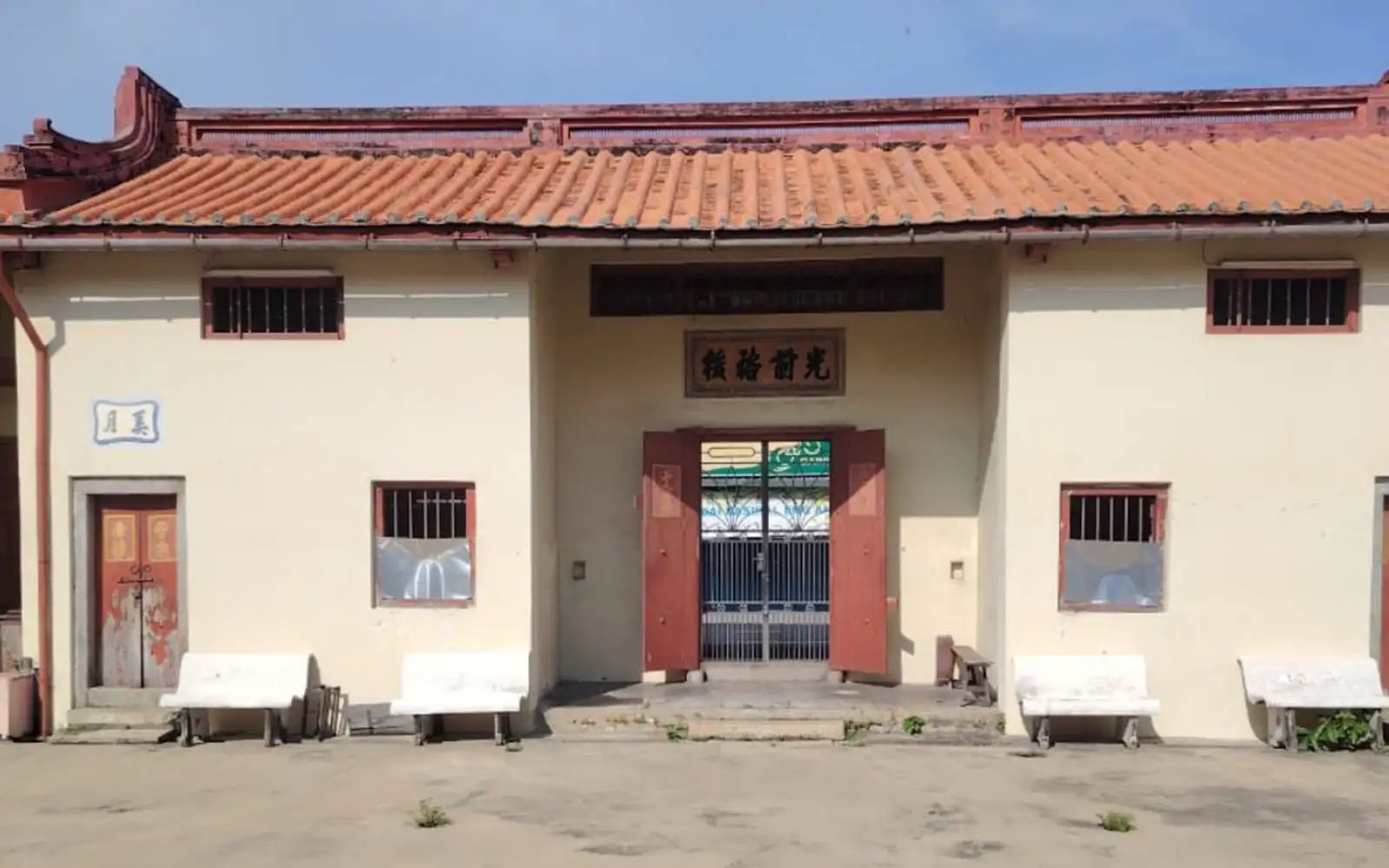
The grounds comprise a main residence known as the “mansion”, an ancestral hall and additional family houses.
It was here that Tuan Lai learnt to ride a bicycle, wobbling across the spacious grounds until he found his balance. When Chinese New Year rolled around, the place came alive, filled with laughter, comforting meals and the familiar rhythm of tradition.
Even as a child, he knew the ground beneath him carried a story far older than himself – one that started with his great-great-grandfather, Kee Lai Huat.
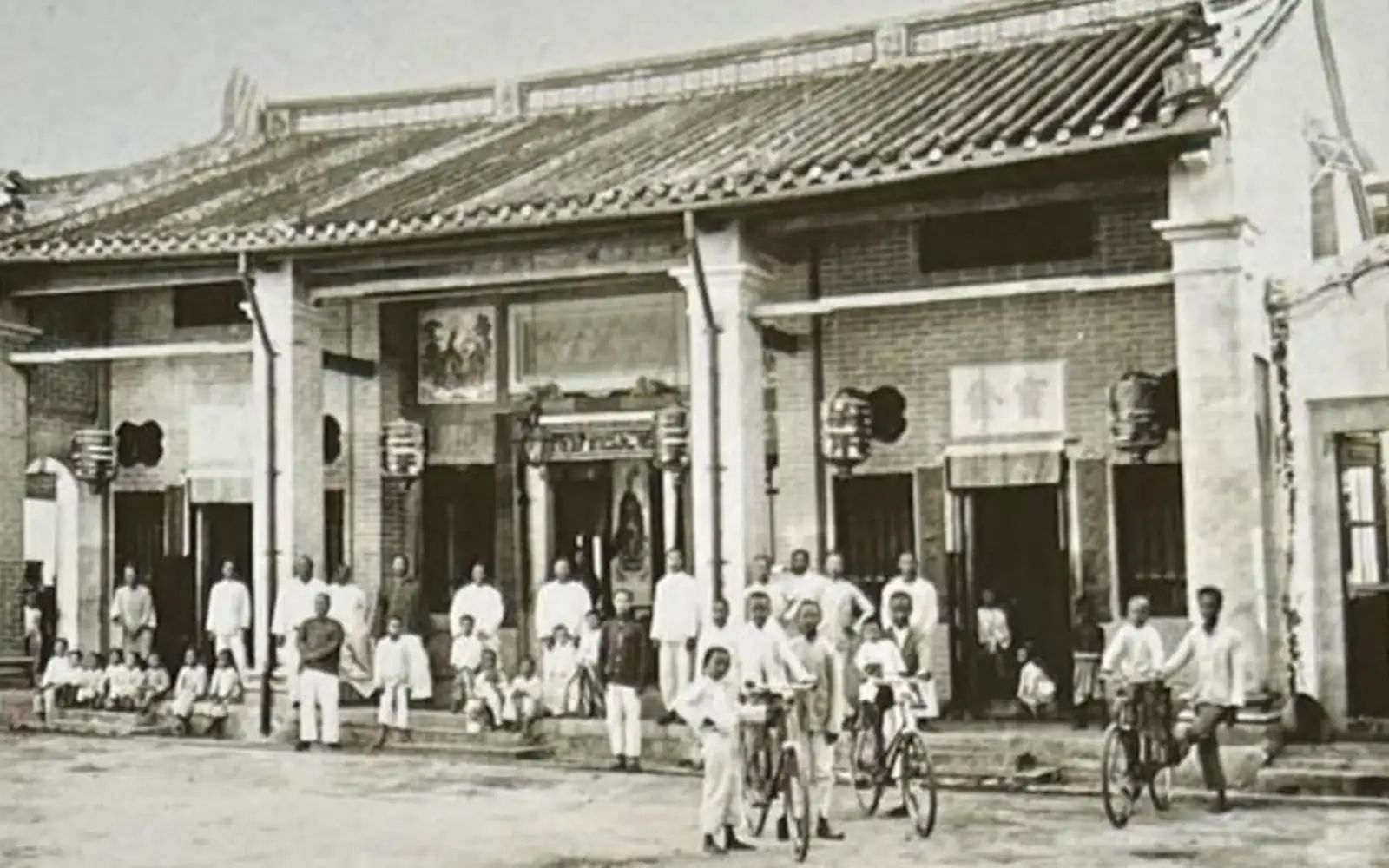
That story, passed down through generations, began when Lai Huat arrived in Malaya from Chenghai, China in 1852. Like many migrants of his time, he came in search of a better life – one he would go on to build in Malaya’s fertile lands.
“He was involved in sugar cane plantations. He had six sons and two daughters,” Tuan Lai told FMT Lifestyle.
A Teochew by heritage, Lai Huat is also believed to be one of three individuals who developed Sungai Bakap into a small town. Even as he planted roots in Malaya, he never forgot the home he left behind and sent money back to China, where he had a grand house built.
At the Kee Poh Huat Kongsi, Tuan Lai shared, he lived and ran his business in the mansion. Today, traces of that life can still be seen.
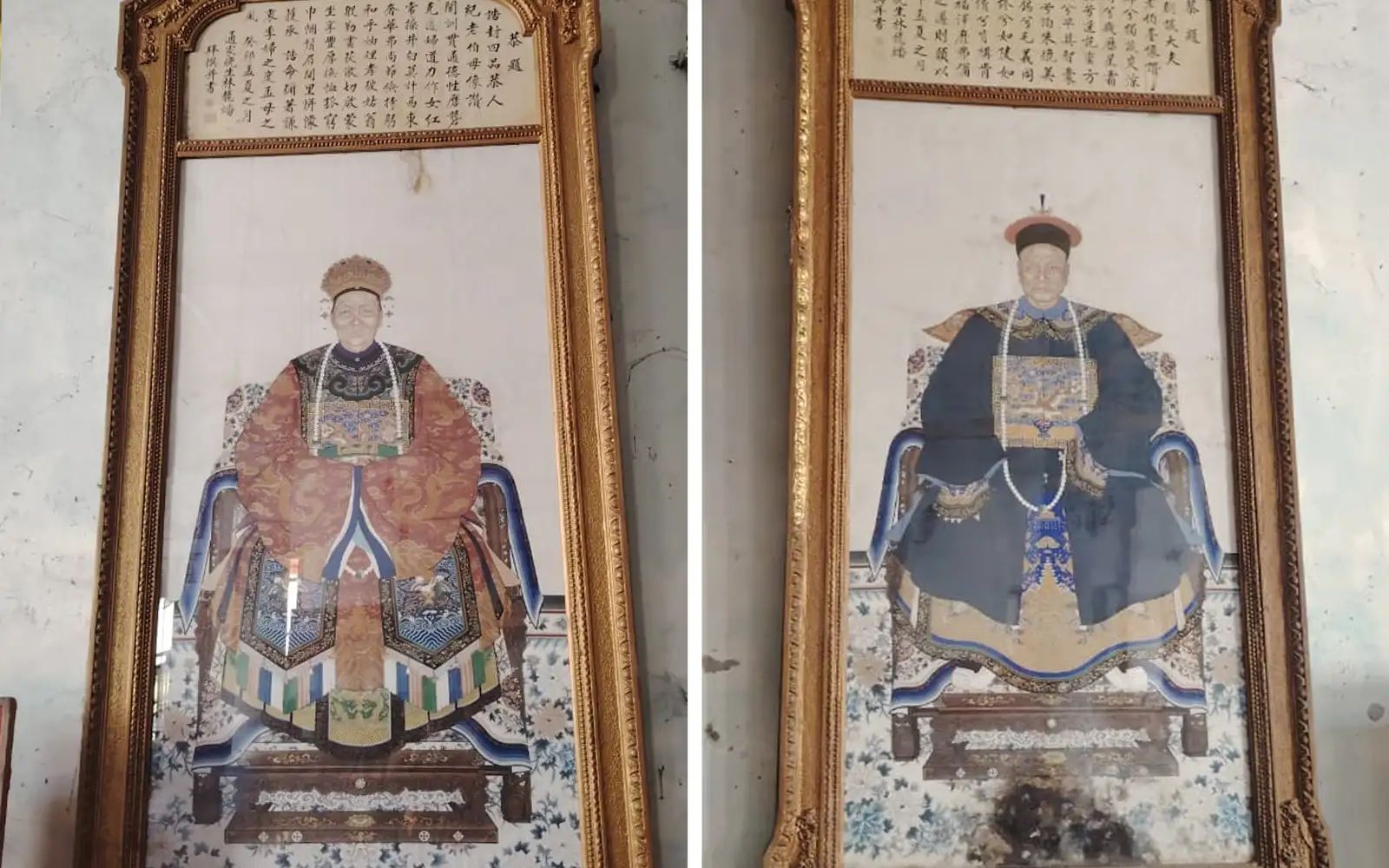
A sweeping terracotta-tiled roof with curved eaves crowns the mansion, while red wooden doors and lanterns give the exterior a sense of grandeur, hinting at its storied past.
Beyond it stands the ancestral hall, a space for generations to gather and honour those before them.
Behind the mansion and the ancestral hall are six houses Lai Huat built for each of his sons. Lined up in a row, these homes feature quaint shuttered windows, deepening the sense that time has stood still.
Today, Tuan Lai finds himself drawn back to this place. “I come back most Sundays to pray, look around and see what needs to be done,” said the 67-year-old who lives in Butterworth.
The most important prayers, he said, are offered during the birthdays and death anniversaries of Lai Huat and his wife, as well as during the Hungry Ghost Festival and other special occasions.
These days, the compound is largely quiet. His aunt is its sole resident, living in one of the houses Lai Huat built for his sons. The Kee Poh Huat Kongsi, he added, is now overseen by the Kee Poh Huat Board of Trustees.
“I always bring my children and grandchildren here and share stories about what it was like here when I was younger. Next year, I hope to take them to Lai Huat’s hometown in China,” he said, adding that he himself has made the journey there.
“At my age, I’ve come to realise how important it is to know our roots,” he said.
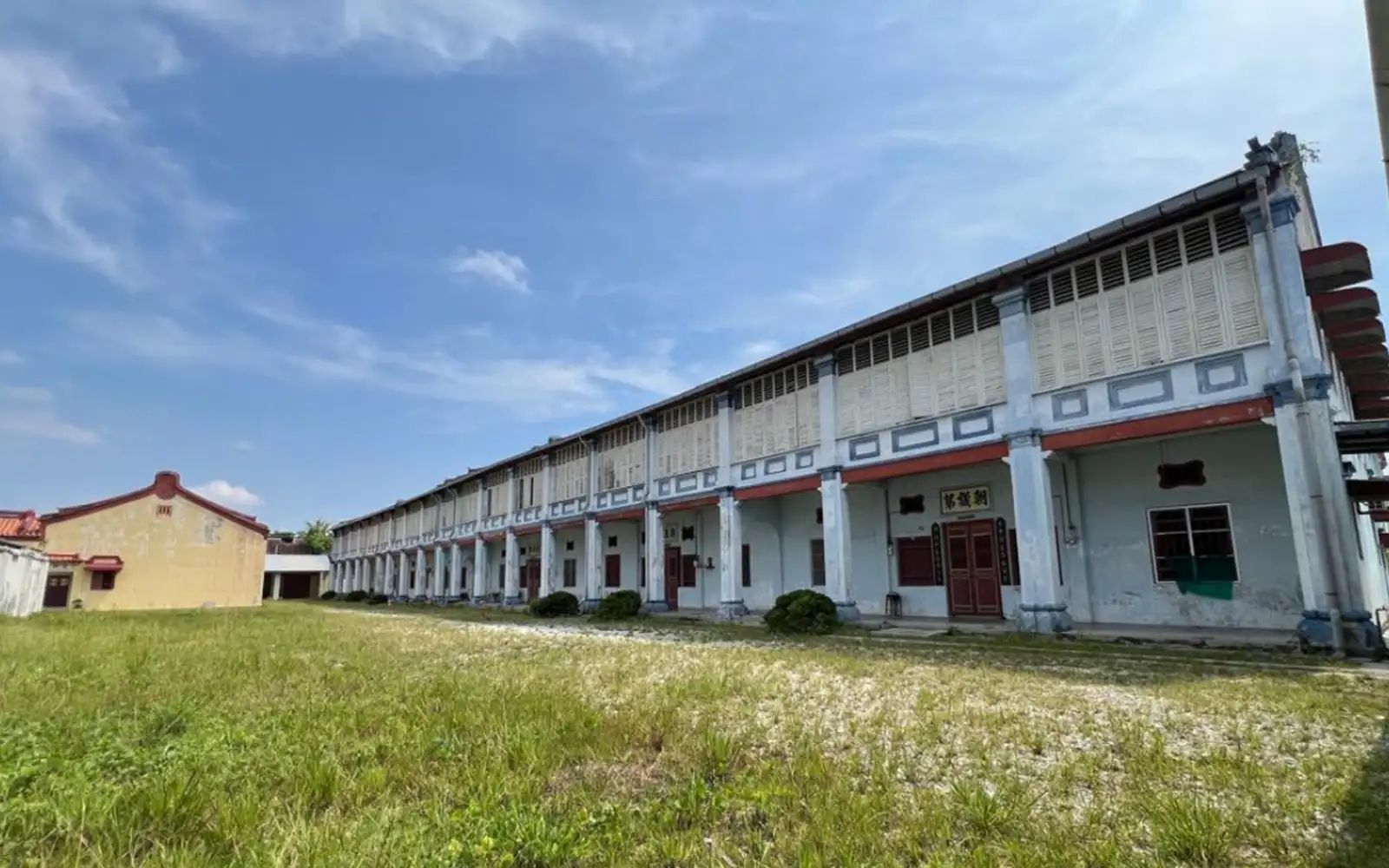
For Tuan Lai, understanding those roots is not just about looking back to China, but about caring for what still stands here. He knows places like this are slowly disappearing and hopes to open the Kee Poh Huat Kongsi to the public in the future.
For now, though, he returns quietly. Cleaning. Praying. Remembering.
Because to him, this is a place where childhood laughter still lingers, where stories are etched into wood and earth – and where the past never quite fades, as long as someone chooses to return.