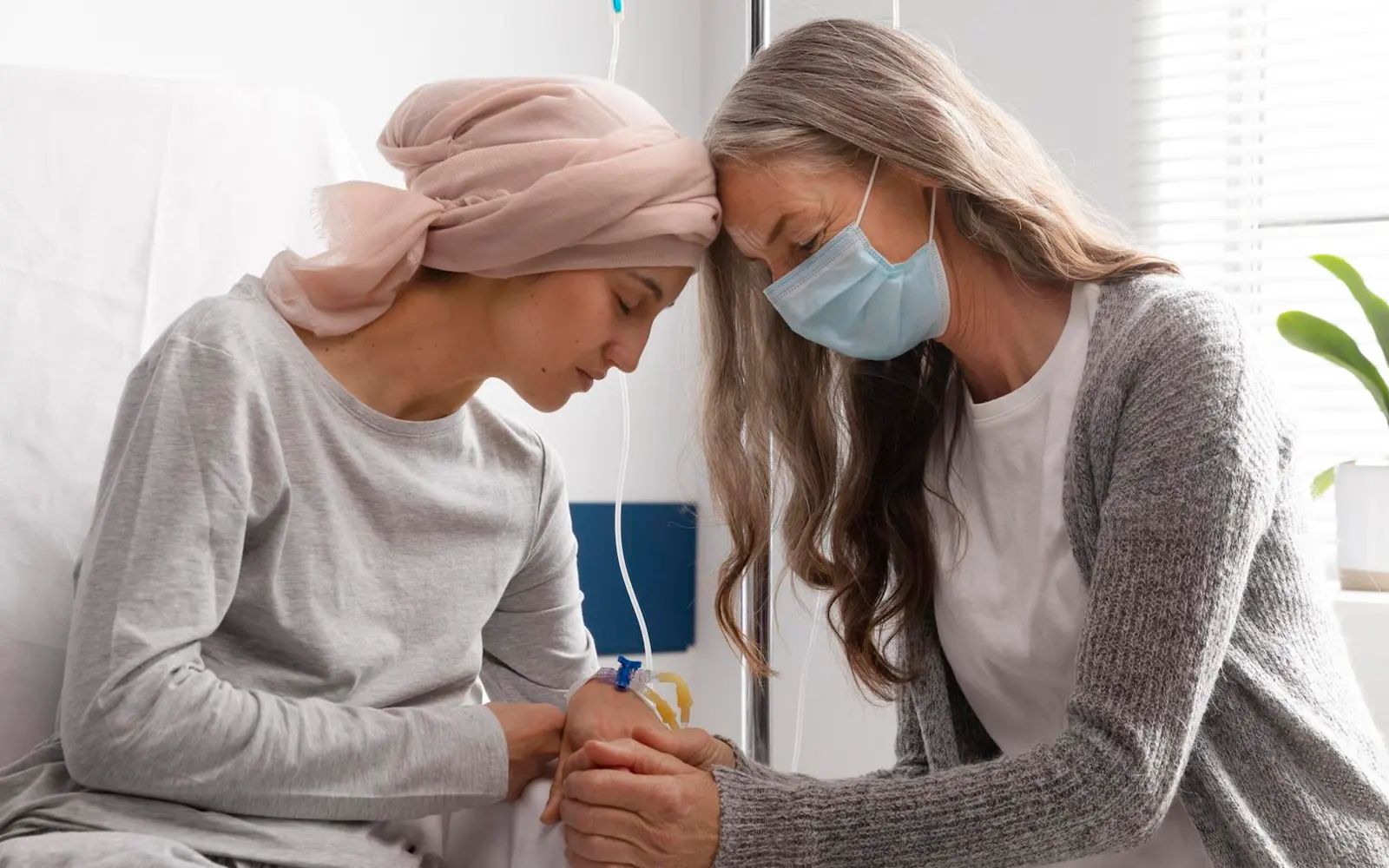
But cancer care today is undergoing a major shift. As medical science deepens its understanding of the disease, treatment is moving away from a one-size-fits-all approach towards care that is more precise, personalised, and focused on helping patients live well, not just survive.
According to consultant clinical oncologist Dr Marfu’ah Nik Eezamuddeen, modern cancer care increasingly recognises that no two patients – or cancers – are exactly alike.
“When I sit across from a patient, I am not just seeing a diagnosis. I am seeing a life, a family and a future they are afraid of losing,” she said.
In the past, treatment decisions were largely based on where the cancer started, such as the breast or lungs, with patients typically following standard protocols. Today, advances in molecular testing allow doctors to examine the biological behaviour of each tumour in greater detail.
This means treatment can be tailored to the unique characteristics of a patient’s cancer.
“Two patients may both have breast or lung cancer, yet their cancers can behave very differently,” Marfu’ah explained. “Personalised care recognises those differences and helps us choose treatments that are more precise.”
Greater access to such testing has helped doctors make more informed decisions earlier in the treatment journey. For patients, understanding why a particular therapy is recommended can provide reassurance at an otherwise overwhelming time.
“Instead of uncertainty, patients often feel more confident when they understand the reasoning behind their treatment plan,” she said.
Public perceptions of cancer treatment are also evolving. Many Malaysians still associate cancer care with harsh chemotherapy and severe side effects, but newer therapies have changed how some patients experience treatment.
Options such as immunotherapy and targeted oral medication allow doctors to focus more precisely on cancer cells, sometimes making treatment easier to tolerate.
“Cancer treatment today can be far more manageable than many people expect,” Marfu’ah noted. “Many patients are still able to work, care for their families and maintain their daily routines during treatment.”
Advances in therapy have also improved survival outcomes in several cancers, including lung and breast cancer.
“I have seen patients live years longer than what was previously expected,” she added. “But what matters most is not just how long they live, but how they live.”
Personalised care also considers the realities of each patient’s life beyond medical test results. “A patient’s background, lifestyle, beliefs and family responsibilities all matter,” Marfu’ah said.
“Some prioritise longevity, while others prioritise independence or being present for their children.”

Listening to these priorities allows doctors to shape treatment plans that align with what matters most to each individual.
“My role is not just to treat cancer – it is to help patients move through treatment with clarity, dignity and as little fear as possible,” she stressed.
Feeling heard and understood
While medical advances have transformed treatment, the emotional journey of cancer can be equally complex. Counsellor Kuah Rui Ning said patients often experience a wave of emotions when they first receive their diagnosis.
“At the beginning, it can feel like a sudden storm,” she said. “There is shock, fear and uncertainty, and many patients feel as though their world has paused.”
As treatment progresses, patients may face fatigue, anxiety and emotional exhaustion. Yet Kuah often sees people discover unexpected strength during this period, realising they are “stronger than they believed”.
Even after treatment ends, survivorship can bring new emotional challenges, including fear of recurrence and uncertainty about returning to normal life.
Across every stage of the journey, Kuah said one need remains constant: patients want to feel heard and understood.
From a counselling perspective, simple tools such as distress scales can help patients describe emotions that are otherwise difficult to express. Creative approaches like expressive arts therapy may also allow some individuals to process their experiences through drawing or other forms of expression.

“These methods create a safe space for reflection and help patients reconnect with themselves during a very uncertain time,” she explained.
Supporting emotional wellbeing is also important for families and caregivers, who play a crucial role throughout the treatment process.
“When patients feel emotionally supported, we often see improvements in rest, appetite and confidence,” Kuah said. “These factors can influence how well they cope with treatment.”
Ultimately, with advances in personalised medicine and greater attention to emotional wellbeing, cancer care is evolving beyond simply extending life – it is increasingly focused on helping patients live with dignity, purpose and hope while navigating the realities of the disease.