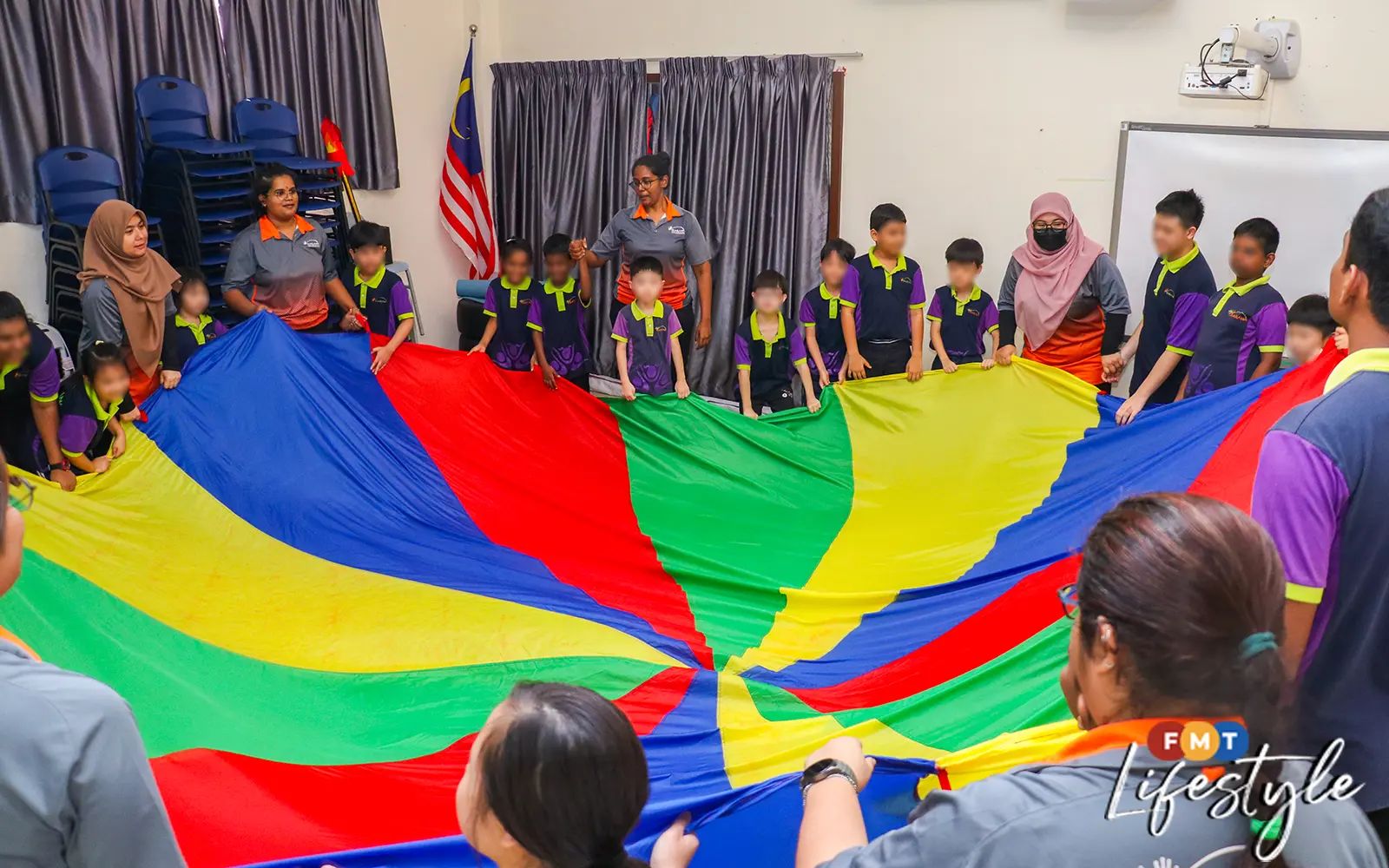
Sunitha and her team took a different approach. Seeking to better understand the root cause of his behaviour, they discovered Simon had specific sensory needs. So, they began exploring healthier ways to help him fulfil them.
Their efforts paid off. Over time, Simon became far easier to manage and, by the end of the year, he even performed on stage during Open Day.
The person most moved by this was his mother.
“It wasn’t a major role, he was part of a group. But to his mother, it meant the world. Just seeing her son on stage when no one thought it would be possible overwhelmed her. She was so thankful that someone had finally given him that opportunity,” Sunitha recalled.
“When a child has certain behaviours, we should avoid immediately labelling them, and instead try to understand the reason why they act that way,” she added.
Educating children with special learning requirements is no easy task, but Sunitha and her dedicated team at Taarana Special Needs Education ensure the needs of the neurodivergent are met with care, patience and understanding.
The centre, of which Sunitha is principal, has a team of qualified teachers and offers comprehensive programmes tailored to individual student needs, ensuring holistic development that helps every child reach their full potential.
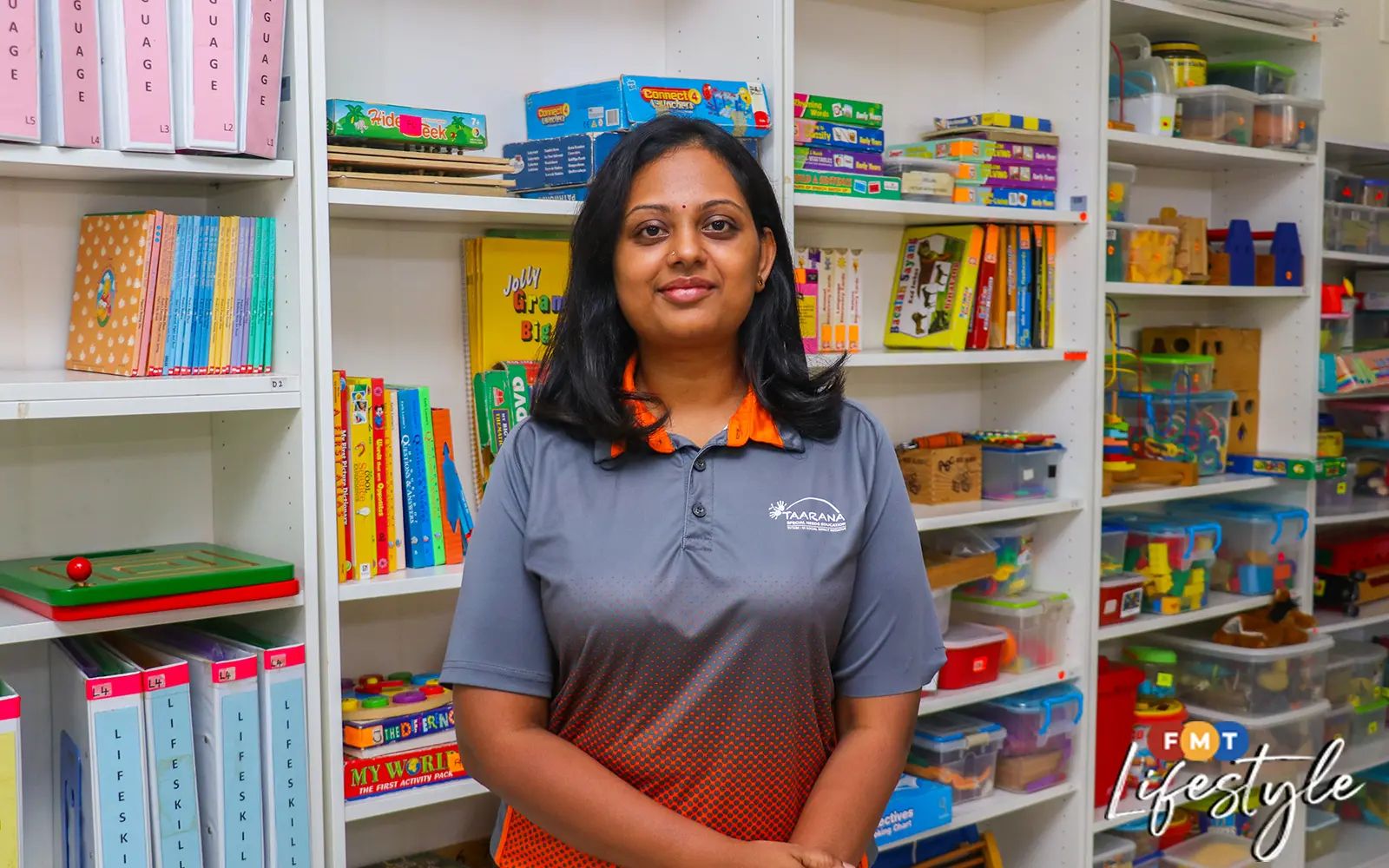
In 2024, the school was recognised as the “Best Special Education Centre of the Year” at the Private Education Entrepreneur Malaysia EduAwards.
Senior special-needs teacher Joanne Mathilda John, who has served with Taarana for three years now, believes that being a meaningful teacher means understanding and catering to each child’s strengths and abilities.
“It’s about helping them feel capable, and valued and supported. It requires a lot of patience and compassion. Our job is not just to bring a positive impact into their lives, but also into the lives of their families,” said John.
She is a firm believer of studying holistically beyond the classroom: she recently authored “The Magic of Recycling Book”, a custom-designed interactive workbook that makes sustainability education accessible for children with special needs.
John and Sunitha believe that although awareness surrounding the care and support of neurodivergent individuals has grown in recent years, there is still much more that society can do.
Many still believe that neurodivergence is a condition that can be cured, rather than a disorder. She shared cases of parents who spend huge amounts of money on bogus doctors who claim they can “change” their children.
Sunitha said one major misconception many parents have is the belief that all neurodivergent children are the same; in reality there is a wide spectrum of behaviours, needs and abilities among neurodivergent individuals.
“That is why it’s important to allow teachers to innovate and go beyond the syllabus if possible. This allows them to respond to students’ diverse needs with creativity and flexibility. You have to employ different teaching strategies in different cases,” Sunitha stressed.
According to her, there is still a significant gap in teacher training and preparedness within Malaysia’s special-needs education sector.
One of the biggest challenges lies in ensuring a sustainable pool of properly trained manpower. This means not only filling teaching positions or quotas, but ensuring educators with the right skills and understanding are placed where they are most needed.

She added that some parents are also overprotective and do everything for their children out of sympathy for their condition, without realising that this can unintentionally prevent their kids from reaching their full potential.
In conjunction with Teacher’s Day today, both John and Sunitha hope for more guidance and support for those with developmental difficulties.
“As teachers, I hope we never forget the difference we make in our student’s lives. I also hope the general public is more understanding and aware of the neurodivergent in our society,” John said.
“A lot of the effort put in by teachers when helping their students, go unseen. And I believe we should all appreciate that most of us are where we are today, because of them,” Sunitha concluded.