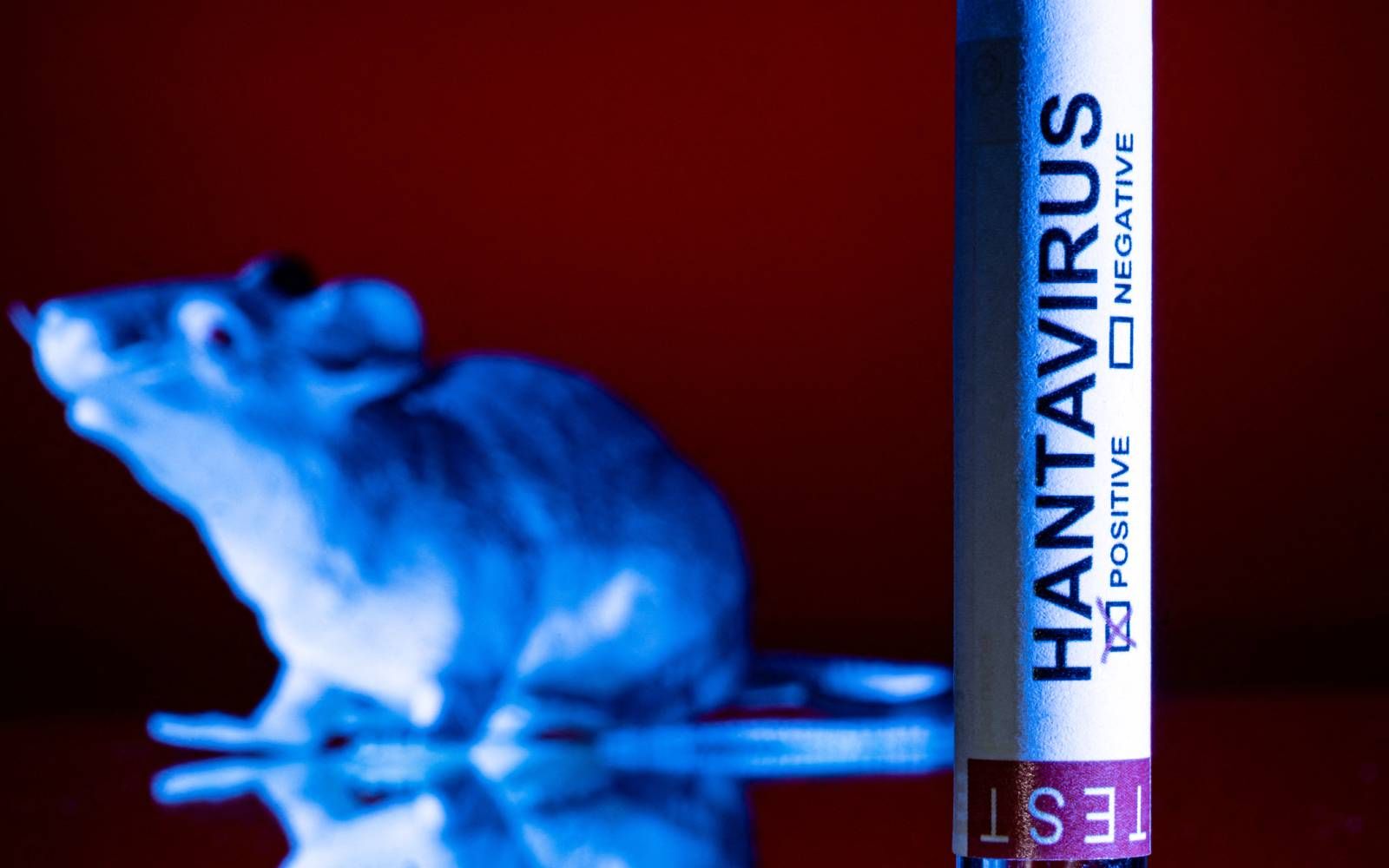
As of May 17, international health agencies have reported more than 10 confirmed and probable cases tied to the MV Hondius outbreak, with three deaths recorded so far. The World Health Organization (WHO) says the overall global risk remains “low”, although health authorities are continuing to monitor passengers and close contacts across several countries.
Unlike Covid-19, hantavirus does not spread easily between people. Most infections happen through contact with rodents or contaminated dust particles, particularly in enclosed or poorly ventilated spaces.
Still, the outbreak has sparked renewed interest in zoonotic diseases, which jump from animals to humans, and raised questions about how Malaysians can better protect themselves.
According family physician Dr Kam San Dhit, understanding how hantavirus spreads and recognising its early symptoms are crucial in preventing severe illness.
“Hantavirus presents a similar public health challenge as leptospirosis, because both are rodent-borne diseases,” he said, referring to the disease known locally as “kencing tikus”.
He noted that urbanisation and climate shifts may increase human exposure to contaminated environments as rodent habitats change.
What is hantavirus?
Hantavirus is a rare but potentially serious viral infection carried mainly by rodents. Humans usually become infected after inhaling tiny airborne particles contaminated with rodent saliva, urine or droppings.
Here are some of the most common misconceptions surrounding hantavirus:
- Myth: Hantavirus spreads easily from person to person like Covid-19.
- Fact: Most hantavirus strains do not spread between humans. Infection usually occurs through exposure to rodent waste or contaminated dust.
- Myth: You can only get infected through a rat bite.
- Fact: Rat bites are uncommon. Most infections happen after inhaling contaminated particles while cleaning dusty areas like storerooms, attics, garages or abandoned spaces.
- Myth: Hantavirus is the same as leptospirosis.
- Fact: Both involve rodents, but leptospirosis is bacterial and can be treated with antibiotics. Hantavirus is viral and requires different testing and treatment approaches.
- Myth: Strong “natural immunity” is enough protection.
- Fact: Even healthy individuals can develop severe complications such as hantavirus pulmonary syndrome (HPS), which affects the lungs and can become life-threatening.

Signs and symptoms
Hantavirus infections often begin with symptoms that resemble common viral illnesses, which can make early detection tricky. The early phase usually includes:
- high fever;
- severe muscle aches, especially in the thighs, hips and back;
- extreme fatigue;
- headaches or dizziness;
- nausea, vomiting or stomach discomfort.
If the disease progresses, patients may develop HPS, a severe condition involving fluid build-up in the lungs. Warning signs include:
- sudden shortness of breath;
- persistent coughing;
- chest tightness or breathing difficulty.
Doctors stress that immediate medical attention is critical once breathing symptoms appear.
Kam said diagnosis involves careful “detective work”, especially since symptoms overlap with other infections. Doctors will typically ask about recent exposure to dusty or rodent-prone environments before carrying out blood tests and imaging scans.
Among the laboratory clues doctors look for are low platelet counts, elevated white-blood cells, and signs of plasma leakage in the bloodstream.
PCR tests and antibody testing may then be used to confirm infection, while chest X-rays help detect early lung complications.

Cleaning rodent-contaminated spaces
One of the most practical takeaways from doctors is surprisingly simple: avoid dry sweeping or vacuuming rodent droppings, as these can send contaminated particles into the air, increasing the risk of inhalation.
Instead, health experts recommend the “wet method”:
- spray contaminated areas thoroughly with disinfectant or diluted bleach solution;
- leave for at least five minutes;
- wipe using a damp cloth instead of sweeping.
They also advise sealing small entry points around kitchens and storerooms, noting that rodents can squeeze through surprisingly tiny gaps.
Not a reason to panic
Health authorities worldwide continue to emphasise that hantavirus is not behaving like a pandemic-scale threat. WHO currently assesses the public risk as low, with transmission largely limited to close-contact exposure and contaminated environments rather than widespread community spread.
For most people, the key takeaway is less about panic and more about awareness: keeping living spaces clean, reducing rodent exposure, and paying attention to unusual flu-like symptoms after possible contact with contaminated areas.