
While much attention is given to medical treatment, many caregivers also shoulder the demanding realities of managing a loved one’s recovery – think administering medications, managing a patient’s mobility, keeping up with medical appointments – and meeting daily responsibilities at home.
For people recovering from stroke, injury or chronic illness, daily life can quickly become more challenging. Simple tasks may take longer, mobility may be reduced, and family members often find themselves balancing work, responsibilities and emotional strain while trying to provide the best possible care.
Much of this recovery also takes place at home, away from hospitals and clinics. In many cases, patients and caregivers rely on everyday support within their communities to help make recovery and daily living more manageable. This is where community pharmacists play a valuable role.
At BIG Pharmacy, pharmacists often become familiar faces for patients and caregivers, helping make conversations about recovery and caregiving more approachable with guidance and support.
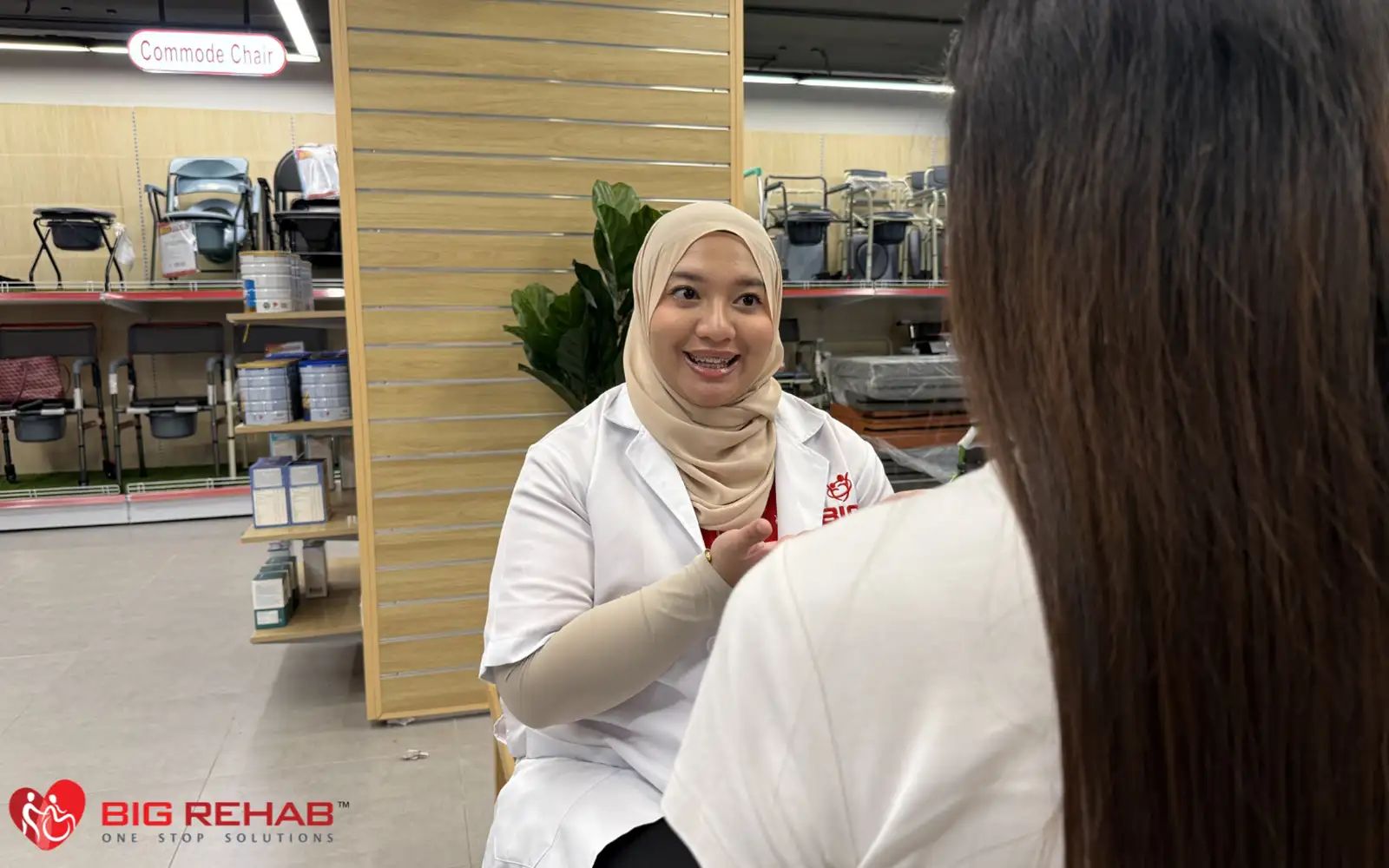
Connecting patients and caregivers to the right support
Community pharmacists are also well placed to spot concerns early, whether it is a patient having difficulties with recovery, a caregiver showing signs of exhaustion, stress or even uncertainty about the next steps in recovery.
Over time, these small and routine interactions can become an important touchpoint for families to feel more supported as they navigate unfamiliar challenges.
According to BIG Pharmacy pharmacists, many people simply need someone willing to listen first. For caregivers, having someone nearby who can answer questions, explain products and provide reassurance can make a meaningful difference.
Recovery is hardly ever straightforward, and access to reliable support within the community can help ease some of the pressure that families experience over time.
While pharmacists are not counsellors or mental health professionals, they are often able to identify when additional support may be needed and help guide patients or caregivers towards the appropriate services.
At BIG Pharmacy, pharmacists play an important role in supporting patients and caregivers through different stages of recovery and rehabilitation.
This support ranges from encouraging patients to stay consistent with physiotherapy and rehabilitation routines to connecting them to teleconsultation services that provide access to counselling, dietitians and nutritionists.

Patients and caregivers are also encouraged to explore BIG Rehab, a dedicated service under BIG Pharmacy focused on rehabilitation and medical equipment to support recovery and daily living needs.
These conversations are often built on familiarity and trust. Unlike hospital visits, which may be brief and occasional, community pharmacists are a regular presence in people’s lives. Over time, they become trusted figures for families navigating the physical and emotional demands of long-term recovery and caregiving.
For some families, knowing there is someone they can turn to for guidance and support can make a meaningful difference.
Recovery is a shared journey
Recovery rarely affects just one person. In many households, caregiving responsibilities are shared among family members, bringing emotional strain that can build over time. Feelings of stress, fatigue and uncertainty are common, particularly during lengthy or complex recovery periods.
At BIG Pharmacy, everyday interactions become opportunities to offer reassurance, answer questions and help families feel more confident throughout the recovery journey.
To make rehabilitation support more accessible, BIG Pharmacy will host the “BIG Rehab Support & Recovery Week” campaign from May 27 to June 1 across 45 BIG Rehab flagship stores, featuring limited-time offers on rehabilitation items.
More information is available on their website.