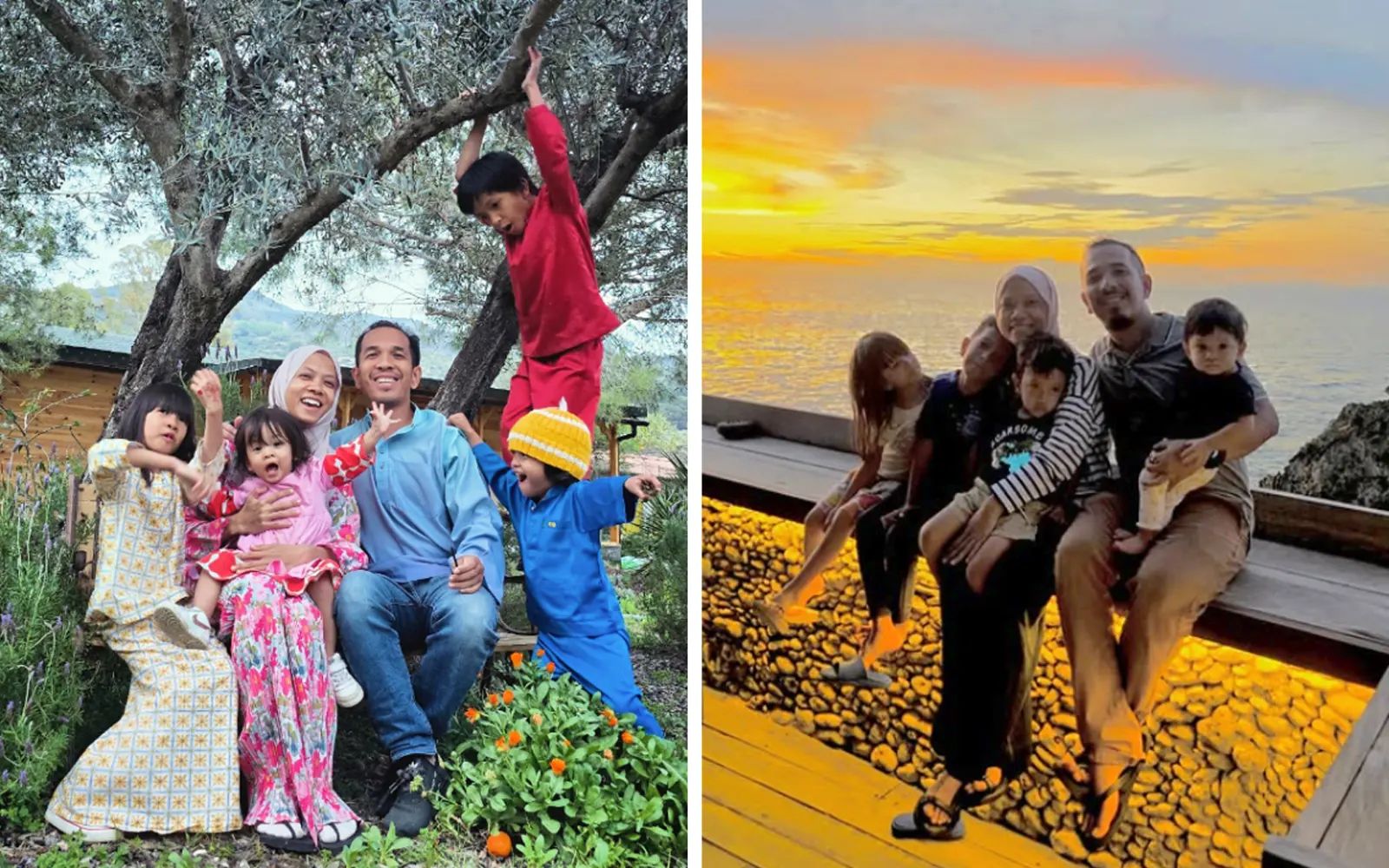
Known as “world schooling”, the growing alternative education approach blends travel with learning, allowing children to absorb lessons through real-world experiences, cultures and everyday interactions.
For 37-year-old Adilah Rosli and her husband Harris Arisyi Redzuan, the idea had been quietly taking shape for years before they finally decided to embrace it fully this year.
With their four children – Qaiser Mateen, nine; Alyssa Jasmine, six; Ezra Musa, four; and one-year-old Ihlara Rose – the couple has turned travel into part of their family’s education journey.
Sharing their experiences online, Adilah said the inspiration first came while she and her husband were studying in the United Kingdom more than a decade ago.
Their eldest child previously attended an international school while their second child was enrolled in preschool.
Now, lessons happen across countries and cultures. The family has travelled to destinations including Vietnam, Bali, Bosnia and Herzegovina, Turkey, Italy and Spain, combining formal learning with hands-on experiences.
“In Vietnam, Bosnia and Italy, we still used books and worksheets alongside visits to museums, parks and historical sites,” Adilah told Bernama.
“But in Istanbul, learning happened almost entirely through experience, where the children picked up knowledge about history, geography and culture directly from their surroundings.”
The family encourages their kids to research destinations themselves before travelling, including local attractions, food and basic facilities, before presenting their findings.
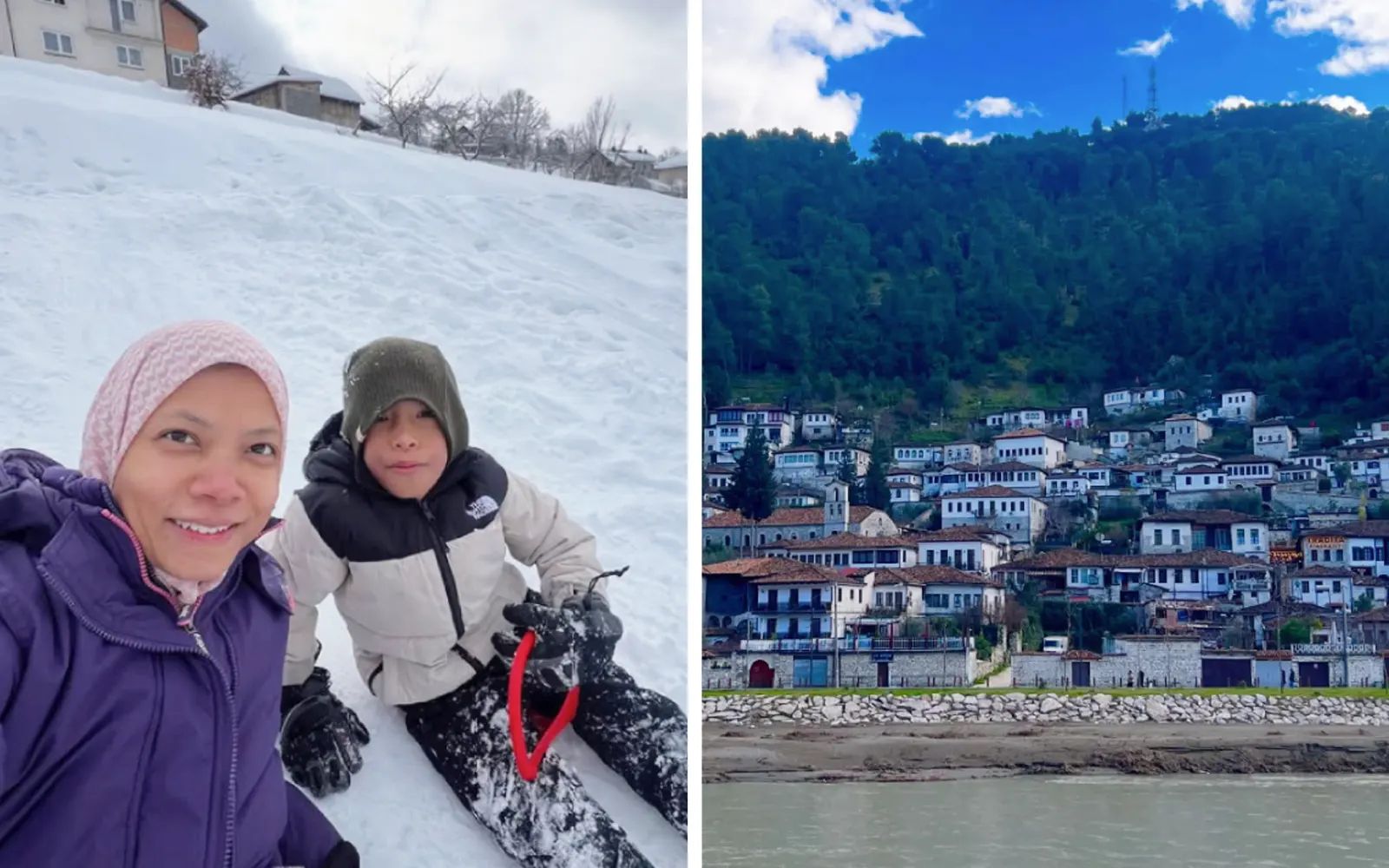
Noting that one of the biggest changes is her children’s growing independence and confidence, Adilah said even without rigid classroom schedules, subjects such as mathematics, Bahasa Malaysia and Islamic studies are still incorporated naturally into daily life.
“For example, my children’s mathematical skills improve when they calculate currency exchange rates, while communication skills develop when they interact with local communities,” she explained.
The family also stays in touch with teachers from their eldest child’s former school to ensure the children remain academically on track. Adilah said she remains open to the possibility of their children sitting for public examinations such as SPM or IGSCE in the future.
What do educators think?
While world schooling may still be unfamiliar to many Malaysians, education experts believe the approach can help nurture creativity, adaptability and problem-solving skills when balanced carefully with formal learning.
Nurhizam Safie Satar from Universiti Kebangsaan Malaysia said exposure to different environments can help children become more independent and culturally aware.
However, he noted that literacy, numeracy and healthy peer interaction still require consistent attention.
Associate professor Fatin Aliana Radzi from Universiti Teknologi Mara similarly described world schooling as part of a growing alternative education landscape.
But she acknowledged that the lifestyle may not be accessible to every family because of the financial commitment and parental involvement required.
For Adilah, the experience has been less about rejecting conventional education and more about expanding how learning can happen.
“The world itself can become a classroom,” she said.