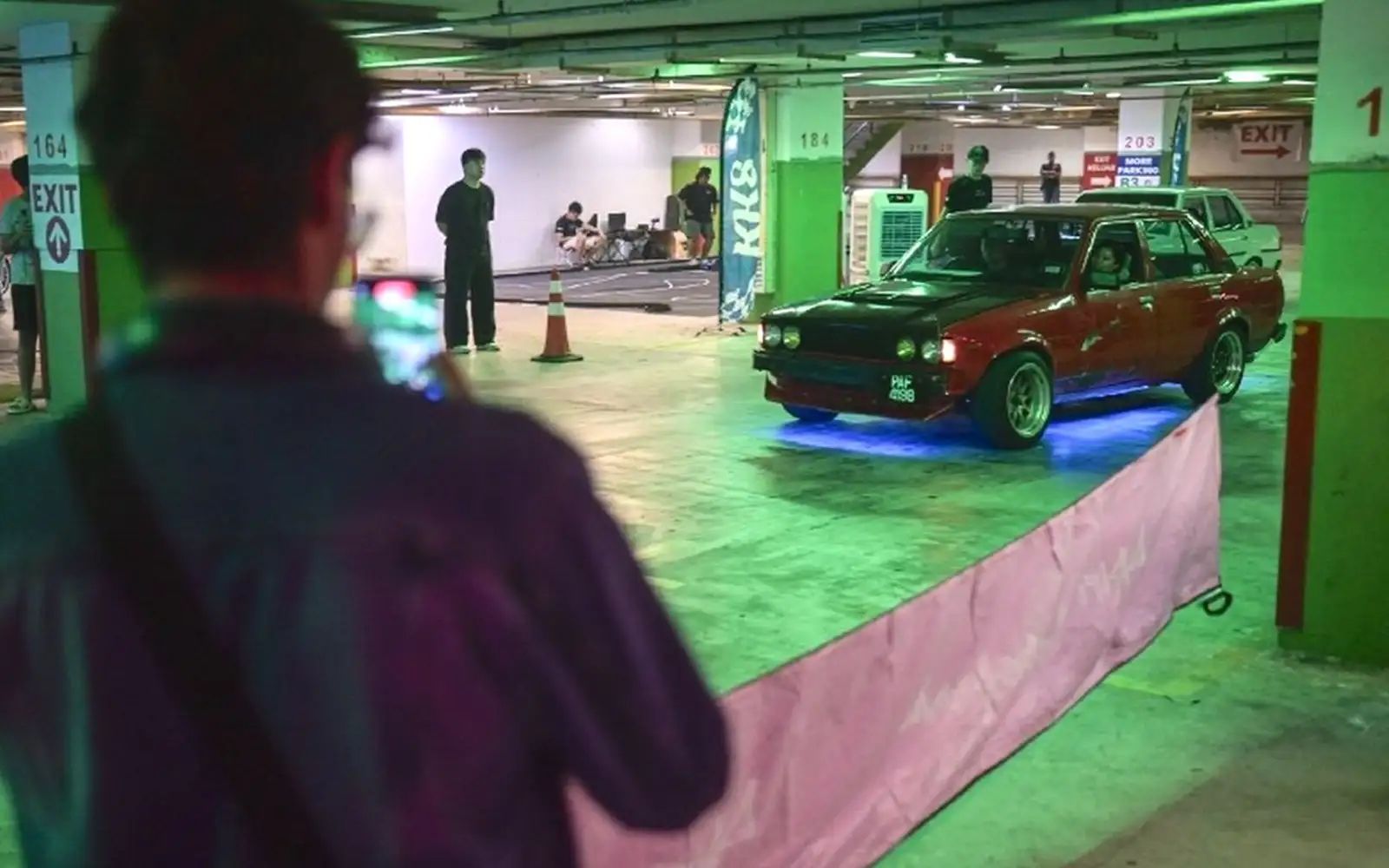
For a moment, it feels like a scene straight out of “The Fast and the Furious: Tokyo Drift”. But inside the Mines International Exhibition & Convention Centre in Seri Kembangan, the atmosphere is less “chaotic street race” and more “tightly choreographed performance”.
Every slide is deliberate, every near miss carefully controlled.
Around 20 drifters gathered for “Drift Underground” recently, chasing the perfect line through each corner and cheers from the crowd packed behind safety barriers.
The three-day event reflects how drifting in Malaysia is shifting into a more organised grassroots motorsport scene, complete with sanctioned events, structured training, and even income opportunities for drivers.
Drifting – where drivers intentionally break rear-wheel traction while maintaining control through corners – has long been tied to underground car culture and illegal street racing. Now, enthusiasts are trying to reshape that image.
“People only see the dangerous side of drifting online,” organiser Chen Wing Hong, better known as Wing in drift circles, told Bernama. “If we want drifting to grow properly, we need to show it can be done safely and professionally.”
The latest “Drift Underground” – which is sanctioned by the Motorsports Association of Malaysia – was the first to be organised independently after earlier editions were held as part of larger automotive showcases.
The response surprised even the organisers: while the first edition drew 1,000-2,000 visitors, this year’s attracted more than 10,000. These included fans from Australia, Singapore, Switzerland, the United Kingdom and the United States.
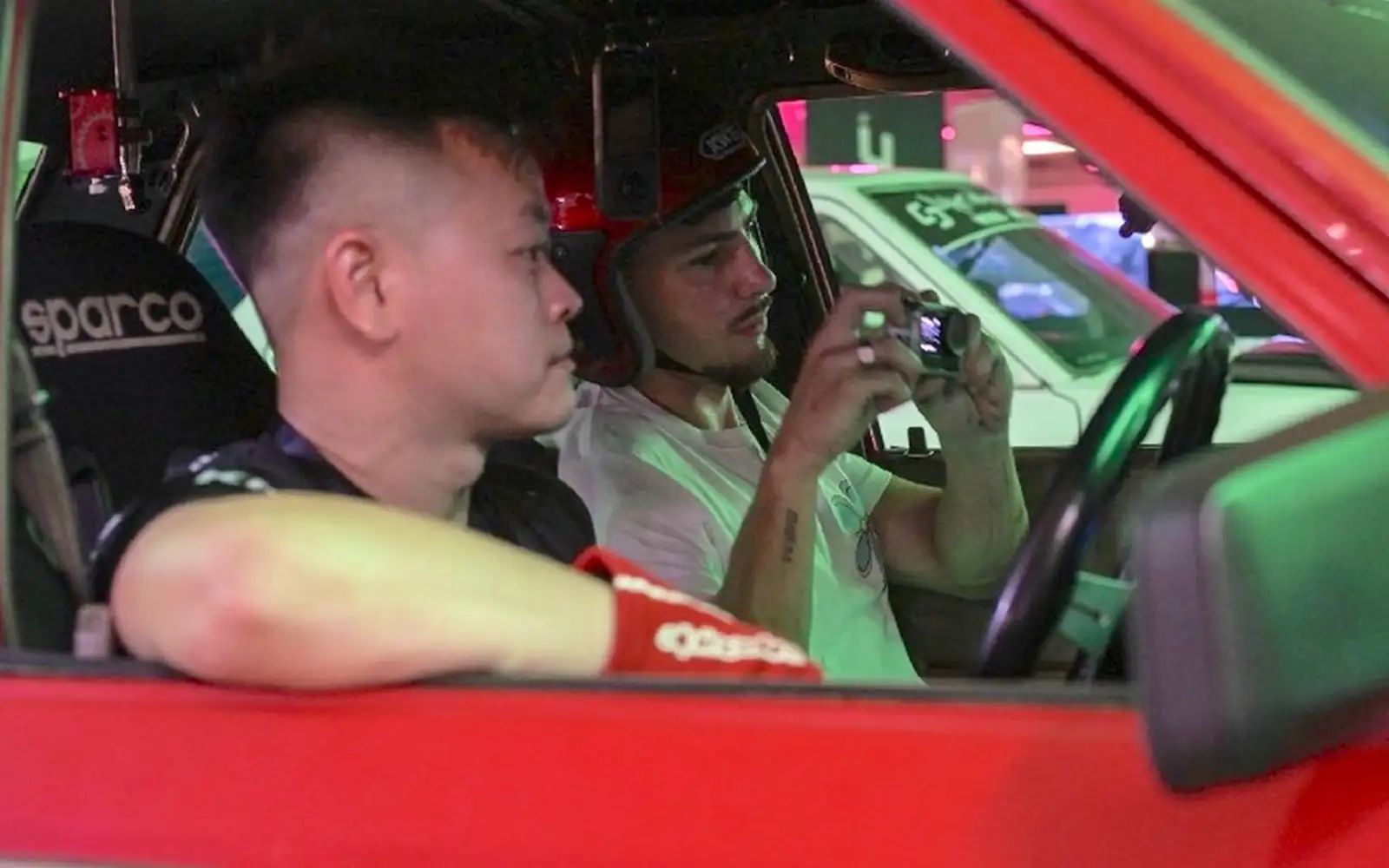
One of the biggest attractions was the “drift taxi” experience, where spectators pay to ride shotgun with professional drifters during live runs.
“About 2,000 drift taxi tickets were sold, which was crazy,” Chen said. Some drivers earned between RM3,000 and RM5,000 over the weekend through ridealong sessions alone, helping offset the high costs of maintaining drift cars.
Beyond the spectacle, the format has also become an accessible entry point for curious newcomers.
Chen himself did not come from a motorsport background: the 30-year-old previously worked as a freelance content creator producing automotive and food-related videos.
He was introduced to the sport by fellow enthusiast Beysshwen Dasnamurthy. They founded their automotive platform Cargasm in 2021, and gradually expanded into events, drift training and community-building initiatives.
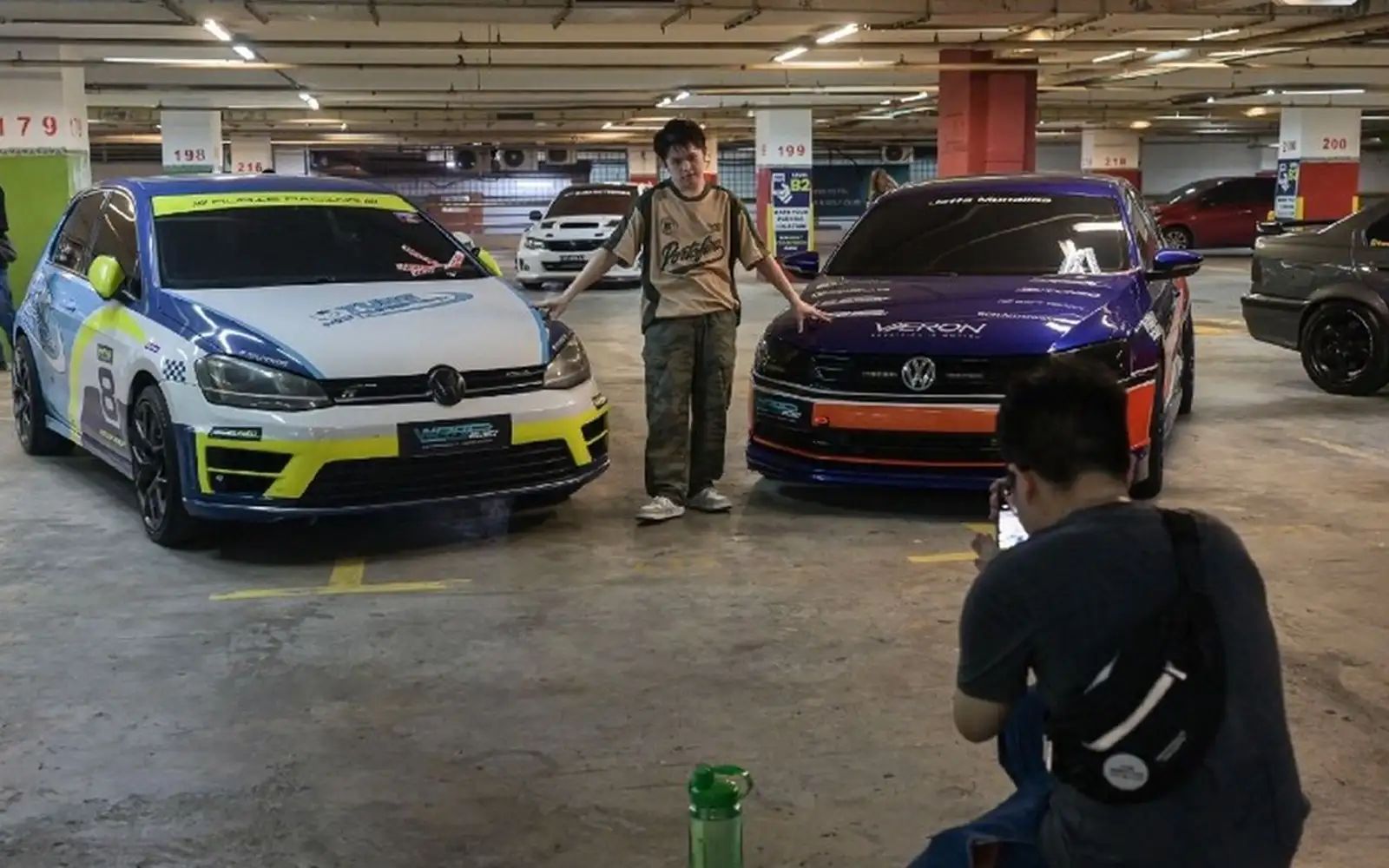
Their efforts include a drift academy that has trained more than 400 students over the past two years – and the crowd signing up for lessons has also evolved, Chen noted.
“It used to be a very niche scene. Now we’re seeing couples, families, travellers and teenagers joining,” he shared.
“One time, we even had a grandfather, father and son learning drifting together – three generations in one class!”
He added that besides the Klang Valley, grassroots drifting activity is also present in other parts of the country including Penang, pointing to a wider – albeit still niche – community.
Still, there are challenges. Suitable spaces are becoming harder to secure as urban development reshapes former gathering spots for grassroots drivers.
Costs also rise steeply for those hoping to transition into professional competition cars, with certain builds reaching hundreds of thousands of ringgit.
Nevertheless, the appetite for drifting shows little sign of slowing, fuelled by social media, automotive communities and younger audiences drawn to the mix of technical precision and spectacle.
For many drivers, drifting is no longer just about competition. “It’s a lifestyle,” Chen said.