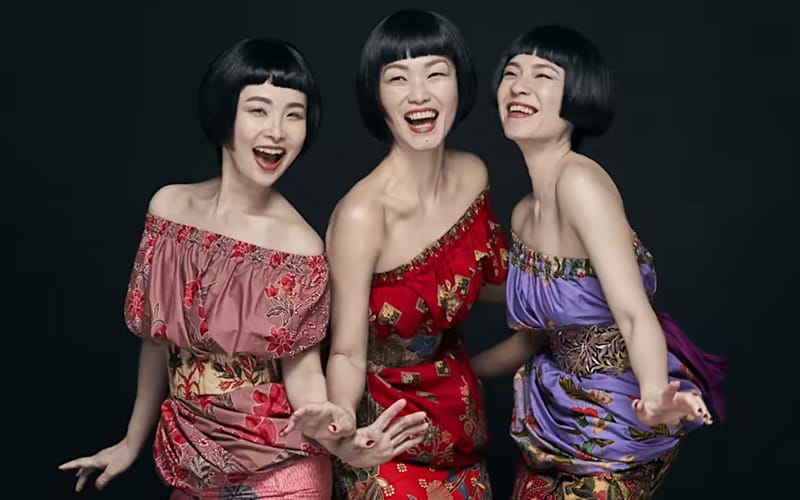
In front of the stage, a mixed crowd of elderly Chinese Malaysians, smartphone-toting millennials and curious expatriates hum and cheer a repertoire of vintage Shanghai jazz, rearranged Malay classics, and tunes from the great American songbook. To some spectators, the music brings back the thrills of youth. To others, the performers sound and look uniquely chic.
Kuala Lumpur-based singers Janet Lee, Winnie Ho and Mian Tan, better known as The Shang Sisters, are not reinventing the wheel, but they are hitting a jackpot by forging in a new musical direction that they call Nanyang Jazz.
“Nanyang Jazz is a term coined by our team, and it means a multilingual repertoire from Southeast Asia, paired with musical influences from different regions of the world,” Lee tells Nikkei Asia.
Originally formed in 2014 as The Shanghai Sisters, the group reinterpreted century-old Shanghai jazz classics – known as Shidaiqu music, literally meaning “songs of the era” – and released an eponymous album in 2019.
After changing one member last year, the group rebranded itself as The Shang Sisters and released a second eponymous album in June. The recording is a mix of originals and covers of old Malay and Mandarin classics, interspersed with snatches of sounds and conversations from Malaysian history.
“Performing covers of old classics with jazz rearrangements is our way of connecting with our past while reaching out to contemporary audiences,” says Tan, while Ho adds that The Shang Sisters’ eclectic repertoire can bring together people of all ages.
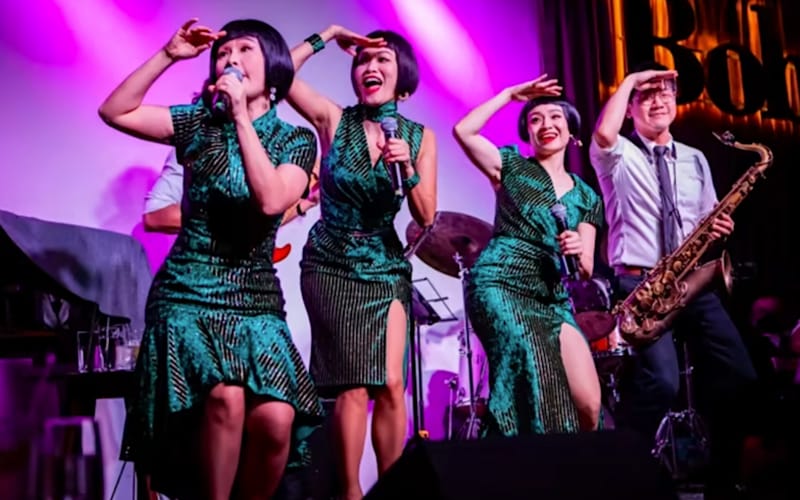
“We are often told that our music connects multiple generations – songs that remind a young person of what his and her grannies used to listen to,” says Ho.
Nanyang jazz’s vision, Lee says, is shared by other KL-based performers such as Yudi Yap and Ida Mariana, who sings nostalgic Malay oldies dressed in traditional kebaya attire.
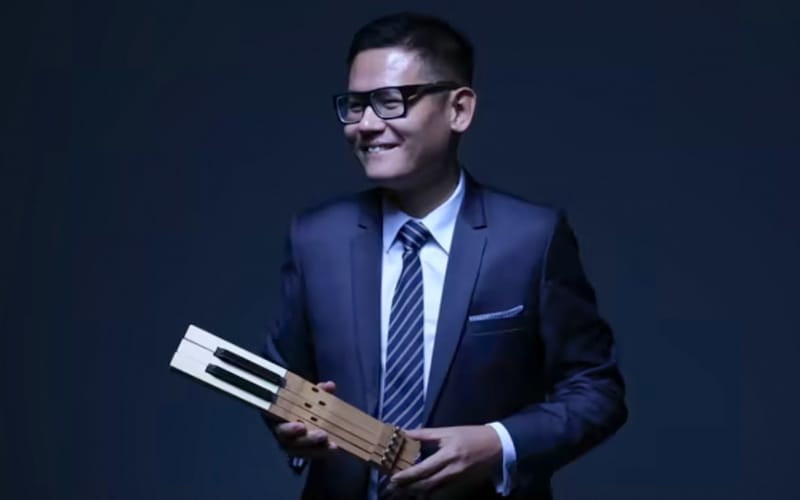
“Nanyang Jazz to me is pretty much the spirit of jazz: the fusion of various influences, tastes, sounds, regardless of old or new,” says Tay Cher Siang, the pianist and mastermind behind WVC Malaysian Jazz Ensemble, who backs The Shang Sisters.
“For sure, Nanyang Jazz has some nostalgic elements to it, but it also tries to bridge different cultures and times. The Peranakan cultures of Melaka, Penang and Singapore, perhaps, are the blueprint for this movement.”
Melting pot
Blending languages, multiculturalism and the Anglo-American musical influences of colonial Malaya, Nanyang Jazz finds its roots in the busy Chinese port of Shanghai in the 1920s. Back then, musicians of mixed backgrounds who lived in the city’s international concessions played and adapted foreign jazz standards.
From Russian refugees to Filipinos, Japanese, local Chinese and visiting Americans, Shanghai’s early 20th-century jazz scene was a melting pot.
In 1935, Du Yu Sheng – the boss of the Green Gang criminal organisation – created the first all-Chinese jazz group, The Clear Wind Dance Band, and arranged for it to perform at the Yangtze River Hotel Dance Hall.
The originator of Shanghai jazz was Li Jinhui, who wrote the first Chinese pop song, “Drizzle”, in 1927, says Tay, who also runs a weekly radio show for jazz aficionados in KL.
“It was sung by his daughter Li Minghui. In the recording, we can hear Li’s attempt to incorporate the varied elements of jazz, modern classical music, and Western instruments mixed with Chinese folk song.”
The term “Shidaiqu” originated years later in Hong Kong, to which many Shanghai performers fled after Mao Zedong’s Communist Party took power in China in 1949. Like much else inspired by Western popular culture, China’s jazz was considered “yellow” or indecent, and was outlawed in 1952.
Shidaiqu reached its peak in Hong Kong in the 1950s and ’60s before being eclipsed by a rising taste for Taiwanese and Cantonese pop. But in Southeast Asia, the Chinese diaspora continued to cherish and pass on Shidaiqu from generation to generation thanks to recordings, radio broadcasting, and live shows.
Meanwhile, next door…
In Singapore, Shidaiqu remains a form of niche entertainment.
“Having an even smaller market than jazz music, it’s only performed at certain themed events – the popularity of the movie ‘Crazy Rich Asians’ helped for a brief period,” says Singaporean Chinese multilingual jazz singer and pianist Ywenna, who has performed internationally with her band Tokyo Blue.
“Musicians struggle to introduce Shidaiqu to younger generations who might not have any knowledge of the songs and culture,” says the artiste. “For some, this calls for an exploration of a Nanyang Jazz/Straits Jazz identity, or ‘music from the straits’, that depicts the culture, diversity and history of Malaysia and Singapore.
“There are exciting projects in the works,” she adds.
Besides Southeast Asia, Shidaiqu branched out around the world after making a comeback in Shanghai. With China’s reopening under paramount leader Deng Xiaoping in the ’80s, surviving local jazz performers started returning to Shanghai’s hotel lobbies.
The popularity of Taiwanese and Hong Kong singers like Teresa Teng, Fei Yuqing and Faye Wong, who adapted and recorded many of the old Shidaiqu songs throughout the ’80s and ’90s, also helped to spread the genre to thousands of Chinese listeners who could not enjoy it during China’s Cultural Revolution – including a younger generation of musicians.
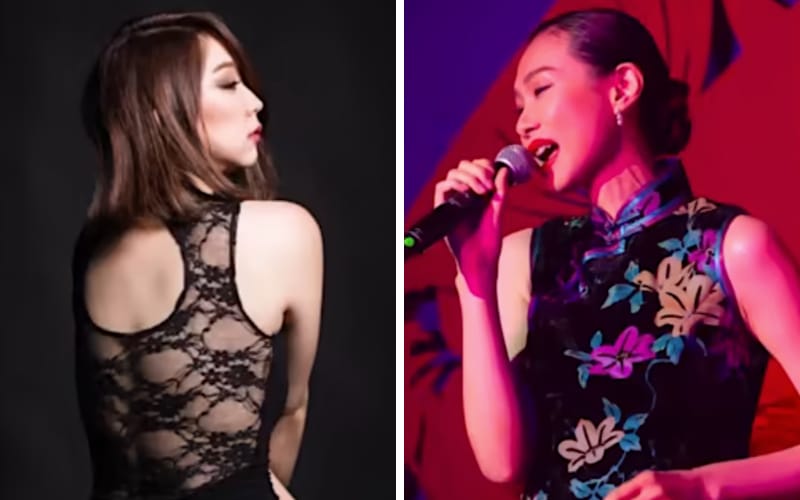
“I started performing jazz at the Hilton Hotel in Shanghai in 2000,” says Shanghai-born jazz singer Zhang Le, one of the most established contemporary Chinese jazz performers, now based in Bolivia.
“At the time, my colleagues were all classical graduates from the conservatory, and only a few Chinese musicians had the opportunity to study abroad exclusively in jazz. [The genre] had just begun to recover in Beijing and Shanghai, and was a very niche music,” says Zhang.
She went on to study music and live in the United States – where she participated in Western-based Shidaiqu revivalist projects – and then Thailand.
In 2004, Zhang was among the singers included in “Shanghai Jazz: Musical Seductions from China’s Age of Decadence”, a compilation of Shidaiqu cover songs curated by the Australian composer John Huie and produced by record label EMI.
A decade later, Zhang also sang on “The Classics”, a 2014 album made by the Shanghai Restoration Project, an established Brooklyn electro-pop duo formed by Chinese-Americans Dave Liang and Sun Yunfan, which repurposed a series of old Shidaiqu songs into electro-dance format.
“Those two projects hoped to interpret Shidaiqu songs through different musical styles so that people of different ages and cultural backgrounds could find connections,” says Zhang.
No longer indecent
Today, Chinese jazz has shaken off its reputation as “indecent” music, even at home. Beijing and Shanghai have a fair number of jazz venues and local branches of international brands such as the New York-based Blue Note Jazz Club, and Jazz At Lincoln Center.
“Before the pandemic, Shanghai, Beijing and Guangzhou held international jazz festivals every year, and many renowned musicians all over the world have performed in China,” says Zheng, who also presented the “Shanghai 1930 Project” when living in Thailand in 2020, introducing Shidaiqu songs to new generations of Thai listeners.
“Bangkok is in a similar situation: jazz appears in more public places, especially hotels, and the demand for commercial performances is higher.”