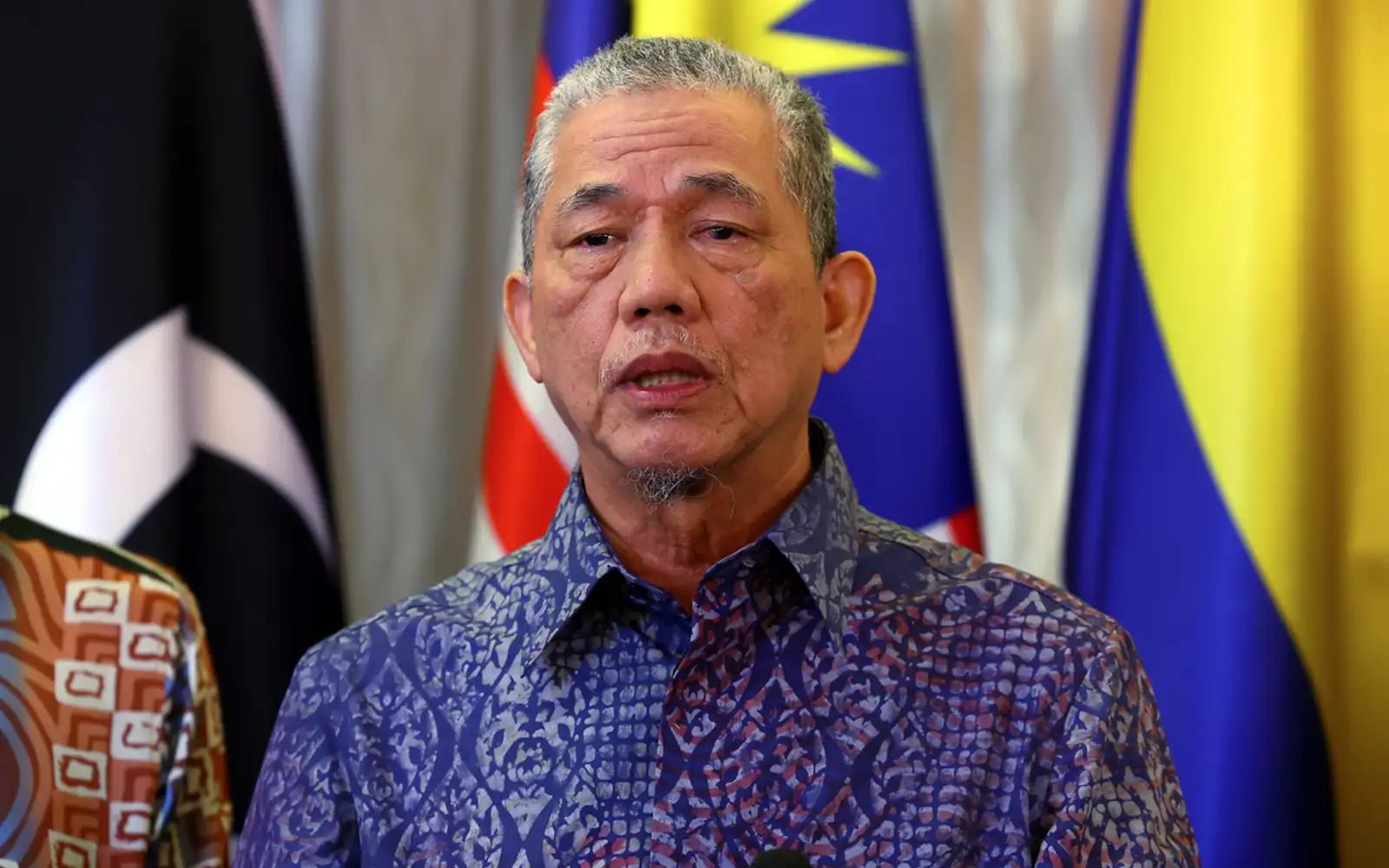
He said global energy supply will take time to stabilise due to severe damage to the oil and energy infrastructure, while higher logistics and insurance costs are likely to hike prices up across multiple sectors, the Dayak Daily reported.
“Higher global fuel prices will lead to increased costs for petrol, diesel and air travel, compounded by rising logistics and insurance expenses,” he was quoted as saying.
Fadillah, who is also the energy, transition and water transformation minister, said it was crucial to understand the situation and be prepared for it.
“We need to plan ahead so that we can manage whatever challenges that arise.”
Fadillah said the government is considering targeted aid for businesses, particularly small and medium-sized enterprises, to help them manage rising operational costs.
The Middle East war has resulted in rising fuel costs following disruptions to global supply chains.
Brent crude prices have surged past US$100 since the conflict escalated in late February.
Last week, transport minister Loke Siew Fook said the government is operating in “crisis mode” in response to the ongoing war in the Middle East.
Loke said a prolonged conflict could have cascading effects lasting up to two years, depending on its duration and severity.
This evening, Iran rejected the latest ceasefire proposal by US president Donald Trump and insisted it wants a permanent end to the war.
Trump has threatened to destroy Iran’s power plants and bridges if it does not open the Strait of Hormuz, AP reported.