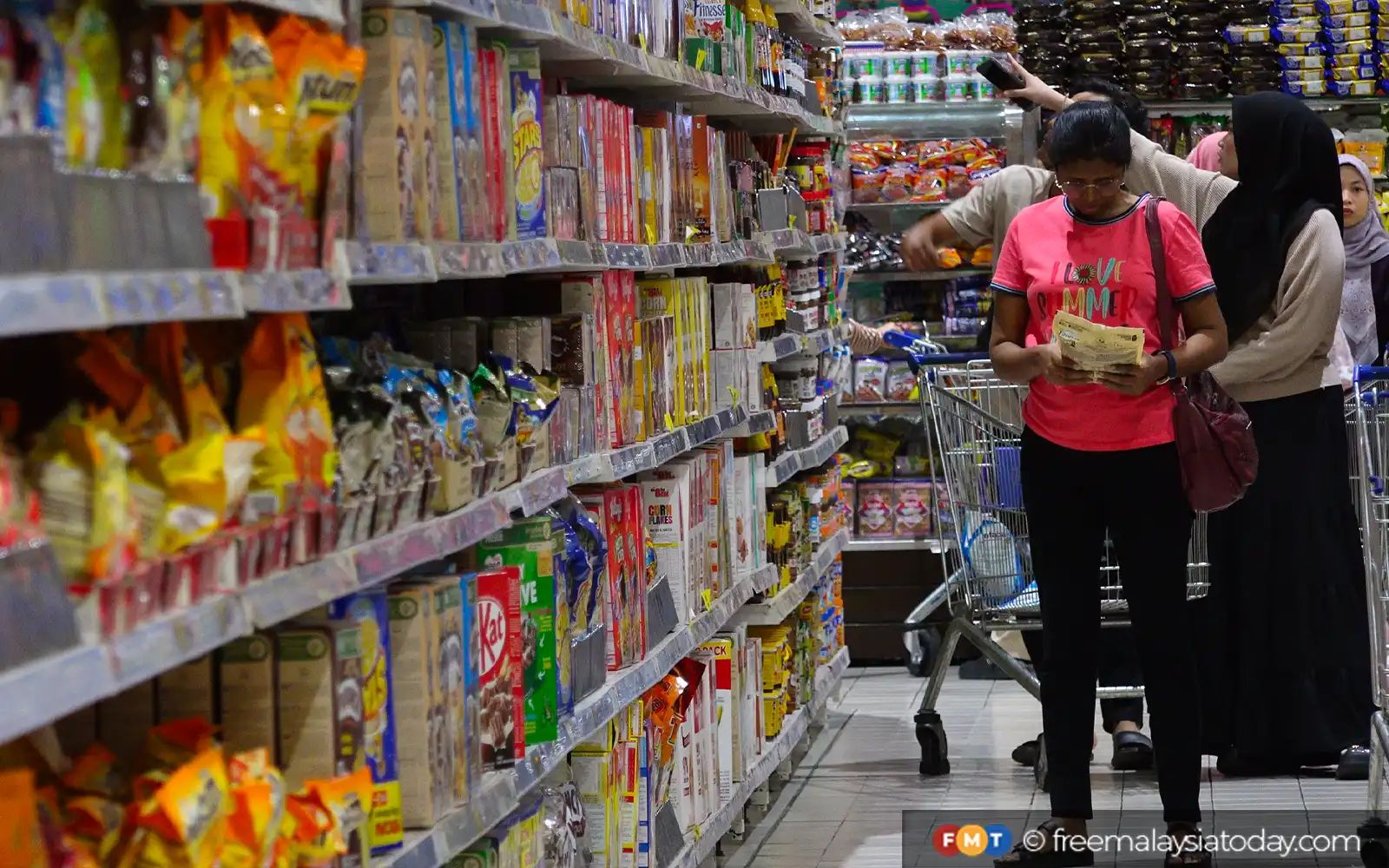
Citing information from importers, Ameer confirmed the government’s projection of price increases, which he said could be felt as early as May or June.
“However, so far our suppliers have not informed us of the exact price hikes or when they will take place.
“My estimate is that the increase will be no less than 5% or 10%, but will not go up to 20%. It will likely be within the 3% to 10% range, so prices won’t be excessively high,” he told FMT.
Ameer said the people were aware that Malaysia imports essential goods from suppliers in countries such as China, India, Vietnam, and the Philippines, which are currently facing fuel-related pressures.
“Logically, the prices of goods in those countries will rise when they feel fuel cost pressures. When prices increase there, the impact will be felt here and our prices will go up,” he said.
He said logistics costs were also a contributing factor. “This is another pressure point, as we have to factor logistics costs into the prices of goods, which are already increasing.”
However, he sought to ease concerns over food supply levels, saying these are sufficient for now.
Citing information from importers, he also said that export destination countries such as China, India, Vietnam, and West Asia are facing difficulties importing goods.
“As a result, there is an oversupply of certain goods and delays in shipments,” he said.
If prices of essential goods increase by more than 10%, Ameer suggested that the government enhance targeted aid such as Sumbangan Asas Rahmah for the B40 group.
“I think this pressure is not limited to the B40, but also affects the M40. If assistance is given to everyone, it will strain government finances. If the government gave RM100 to everyone, the expenditure would reach RM2 billion.
“For the time being, the government can assist the B40 but should not forget the M40, as this pressure is felt by all,” he said.
Meanwhile, the Federation of Malaysian Consumers Associations urged the government to strengthen price monitoring and ensure consistent enforcement to prevent profiteering.
Its chief executive officer, T Saravanan, said targeted subsidies and price controls on essential goods should continue, while traders must not take advantage by raising prices without reasonable cause.
“Consumers are advised to remain calm, spend prudently, and plan their finances more carefully.
“Avoid panic buying and focus on essential needs. With cooperation from all parties, the impact of these price increases can be managed without placing undue strain on the public,” he said.