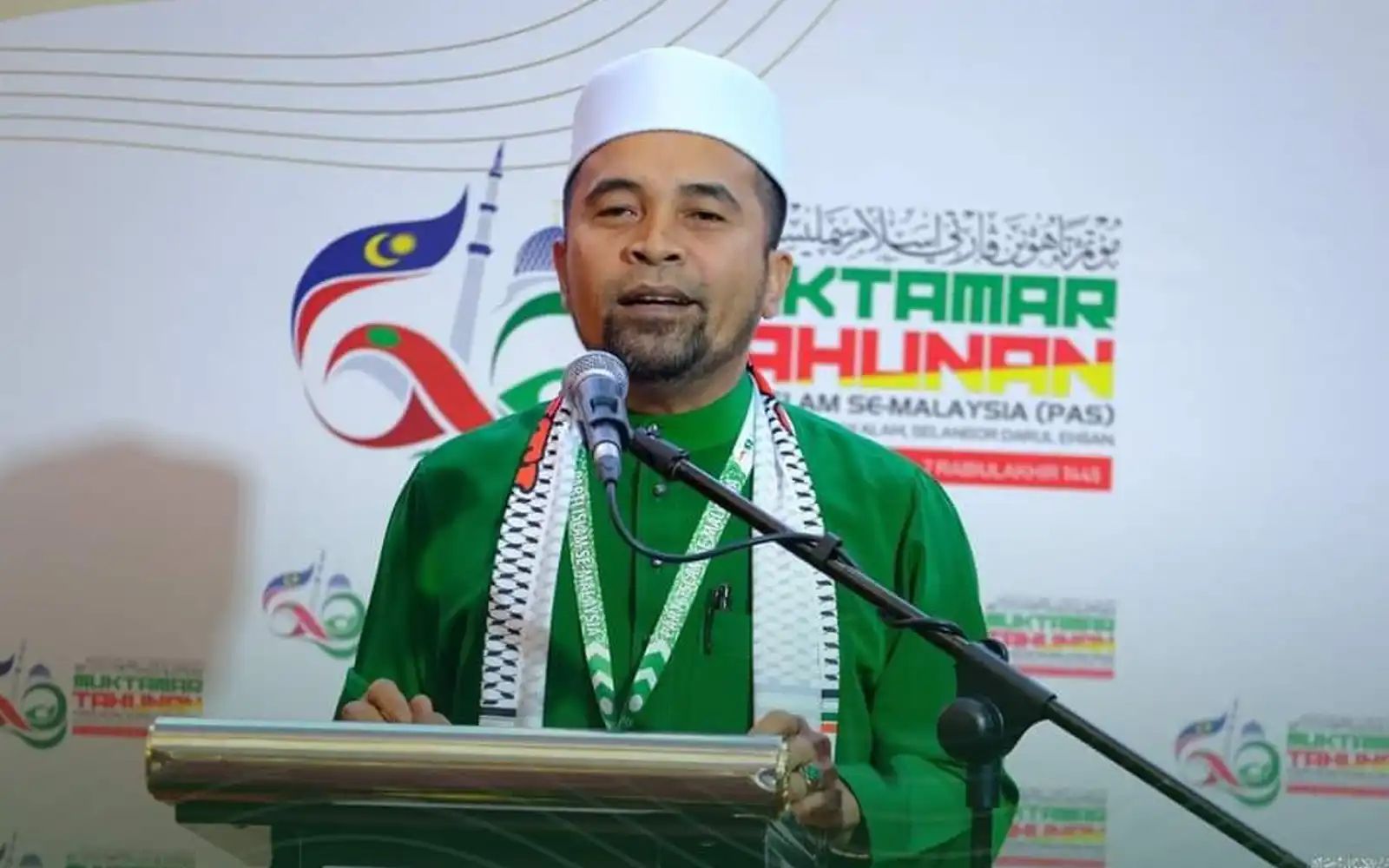
Wan Rohimi Wan Daud, chair of the party’s legal and human rights liaison committee, said enforcement agencies should bear in mind that terms such as “provocative” lack clear statutory definitions within the framework of the Sedition Act and might risk public uncertainty if used broadly.
He added that Section 3(1)(a) of the Sedition Act was amended to remove the phrase “against any government”.
Passed in April 2015, the amendment aimed to narrow the definition of “seditious tendency” by reducing protections against criticising the government, while broadening the law to cover religious hostility and secession.
Wan Rohimi was commenting on a statement by Bukit Aman criminal investigation department director M Kumar last week that the use of the Sedition Act against social media users who spark controversy by making “provocative” comments on government policies or current issues is justified.
“The committee hopes official statements by law enforcement (agencies) are made with the proper care and in accordance with established legal principles,” he said.
“We also call for the interpretation and implementation of the law not to exceed the framework set by Parliament and interpreted by the courts, and we urge the government to clarify its current position on reforming the Sedition Act.
“Legal certainty is crucial to ensuring public confidence in state institutions.”
Noting that Pakatan Harapan previously promised to review the Sedition Act within its broader framework of legal reform, Wan Rohimi said the continued use of the Act should be accompanied by clearer and more consistent policy explanations.
Adding that enforcement agencies play a key role in maintaining the balance between public order and freedom of expression, Wan Rohimi said their approach must always be grounded in clear legal texts and existing judicial interpretations.
Kumar’s remarks followed criticism of the alleged arrest of a TikTok user under the Sedition Act for purportedly insulting the prime minister.
Jorjet Myla was reportedly arrested under the Sedition Act and remanded for three days for allegedly posting a video critical of the prime minister, drawing criticism from opposition MPs.