James Patton Rogers of Cornell University said the use of drones in modern warfare has become a crucial factor for countries that traditionally did not have access to airpower because of financial or technical constraints.
“Drones combine relatively low costs with commercial availability, modular design, and rapid adaptation,” he told FMT. “States and non-state actors can now acquire airframes, sensors, batteries, communications links, and AI software components from commercial markets, then adapt them for military purposes,” he said.
Rogers, who heads Cornell’s Brooks Tech Policy Institute, said there were specific types of drones that would be critical to Malaysia’s needs, in maritime operations in view of territorial disputes, intrusions and piracy fears.
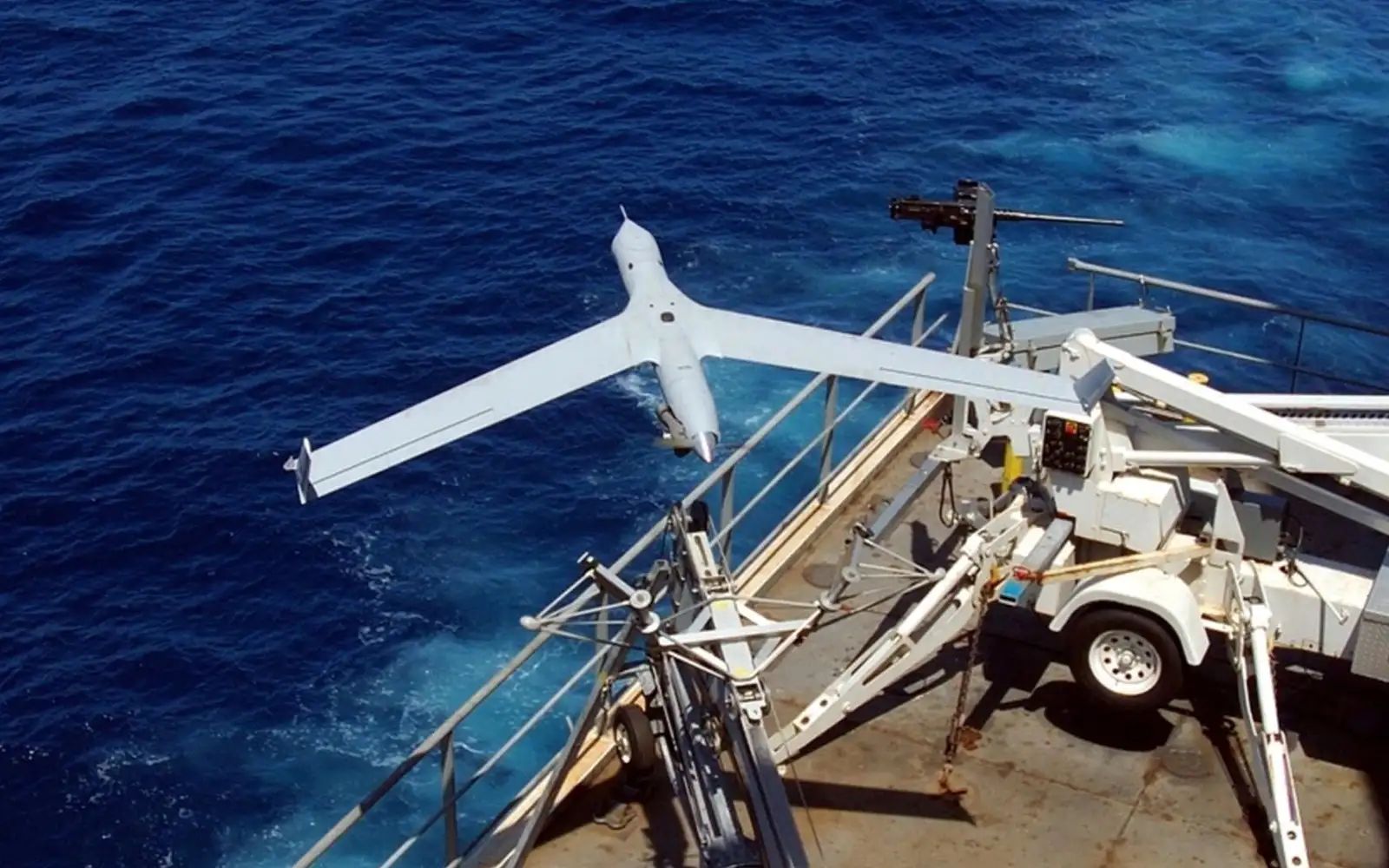
“While we commonly talk about small quadcopter drones and their impact on defence, for Malaysia, it is larger fixed-wing maritime surveillance drones, underwater drones and ‘drone boats’ that will likely be more suited to the regional defense environment.
“These drones allow for increased situational awareness and quicker decision making (in maritime areas),” said Rogers, an expert on drone warfare and international security.
Last month, the air force completed the first test flight of its new Turkish ANKA-THS unmanned aerial system, which is expected to bolster strategic surveillance in the eastern region and other areas of national interest, including the South China Sea.
Unmanned aerial vehicles and counter-drone systems took the limelight at the Defence Services Asia and National Security Asia 2026 trade show where defence firms showcased their latest offerings.
Quantity over quality
Defence analyst Lam Choong Wah of Universiti Malaya said defence assets should generally be seen as disposable assets, which meant that pricier does not necessarily mean better for Malaysia.
He said that when it came to drones, Malaysia should not be looking at state-of-the-art systems, which would probably be out of Putrajaya’s budget.
“We just need some reliable, cheap, and disposable assets, which means that it’s affordable to us,” he said, pointing to the ongoing Russia-Ukraine war and the prevalent use and “disposal” of drones in the conflict.
“There is no need to use drones that are worth hundreds or tens of millions of dollars to win a war.”
Lam said the DSA exhibition saw lots of drone technology showcased, as well as counter-drone capabilities, which is proving just as crucial in the modern defence environment.
He said first person view (FPV) drones, which are often smaller in size than UAVs, are not as easily detected even for the most advanced and sophisticated radar systems out there, partly because of their ability to fly at lower altitudes.
“I think a lot of suppliers and defence operators are still struggling to find out the most reliable way to counter drones. There is big room for us to improve in this area,” he said. “The market is already too saturated with attack drones. We need to pay more attention to drone defence systems,” he said.