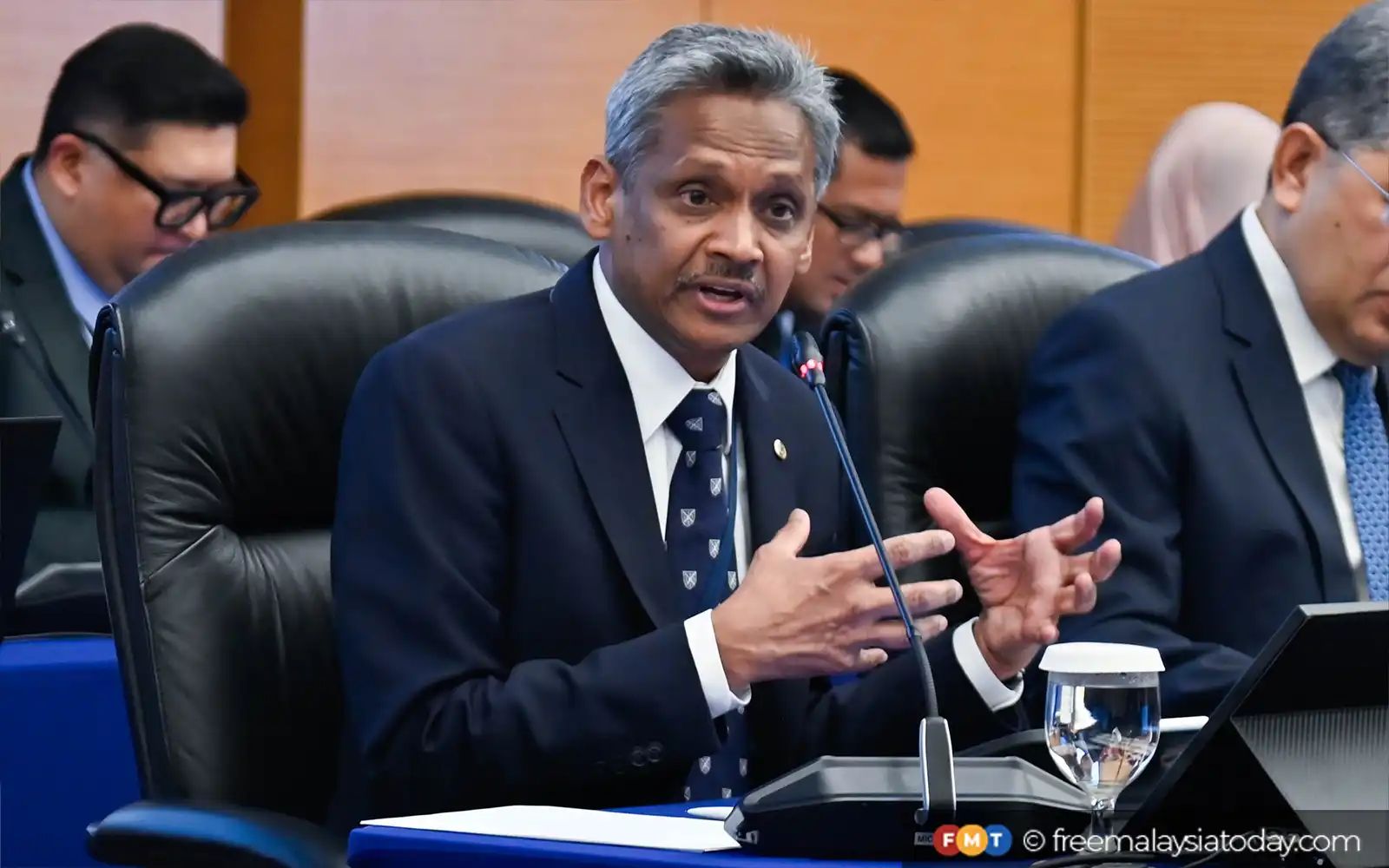
Bank Negara Malaysia (BNM) governor Abdul Rasheed Ghaffour said Malaysia’s policies have factored in subsidies when assessing the impact of external shocks and inflation on the economy.
Rasheed said the implemented reforms have improved the country’s fiscal position, noting that the deficit has narrowed significantly in recent years, with the government maintaining its commitment to fiscal consolidation.
“We have seen the fiscal deficit being brought down from 6.4% in 2021 post-pandemic to 3.7% last year,” he told a press conference when asked about the impact of subsidies on economic growth.
Rasheed said the policies rolled out by the government allowed it to manage the impact of the economic shocks more effectively.
“I think the measures we took earlier on have given the government some space to manage the fiscal deficit,” he said.
In March, the finance ministry said monthly expenditure on fuel subsidies had surged to RM4 billion, nearly six times the RM700 million recorded in January, raising concerns about the sustainability of subsidy spending amid higher global crude oil prices.
However, the ministry said the government had taken early and targeted measures to ensure fuel supply remains secure amid global uncertainties arising from the conflict.
It said these proactive steps are being implemented in a planned manner to manage supply pressures without affecting the majority of consumers.
Malaysia’s key fiscal reforms in recent years include subsidy rationalisation towards more targeted assistance, such as the Budi-based fuel support and the expansion of the sales and service tax (SST) tax base last year.
These efforts are also reinforced by the Fiscal Responsibility Act 2023, which strengthens fiscal governance and medium-term discipline in public finances by introducing clearer rules on fiscal targets and improving transparency in government budgeting.