Azman said as artificial intelligence, digital assets and sustainability expectations reshape financial services, the industry needs bankers who can apply these tools responsibly, manage new risks, and uphold public confidence.
“AICB’s qualifications, together with initiatives such as the Future Skills Framework (FSF) and FSF Xcel, the skills assessment platform, are designed to help banks identify, build and sustain the skills needed for a resilient and future-ready workforce,” he said at AICB’s 9th Chartered Banker Conferment ceremony.
According to an AICB 2025 survey, some 57% of financial institutions remain in the early stages of AI adoption, while 62% cited technology outpacing workforce capabilities as the key barrier to closing skills gaps.
AICB said the statistic underscored the urgency to strengthen workforce readiness, governance capability and accelerate targeted development in critical and emerging skills as banking continues to evolve.
Chartered Banker Institute (CBI) UK president Paul Denton said that in an increasingly complex global environment, banking professionals were not only expected to master new technologies.
“Banking professionals must also exercise sound judgment, ethical leadership and long‑term responsibility,” he said.
Bank Negara Malaysia deputy governor Adnan Zaylani said the role of bankers must also evolve beyond traditional financing. They must help spur growth, he said.
He said banks were not just financial intermediaries but also strategic enablers of economic transformation.
“As the operating landscape shifts, economic and industry growth is increasingly accompanied by complex and interconnected risks, placing greater demand on judgment, contextual understanding and forward-looking risk assessment,” he said.
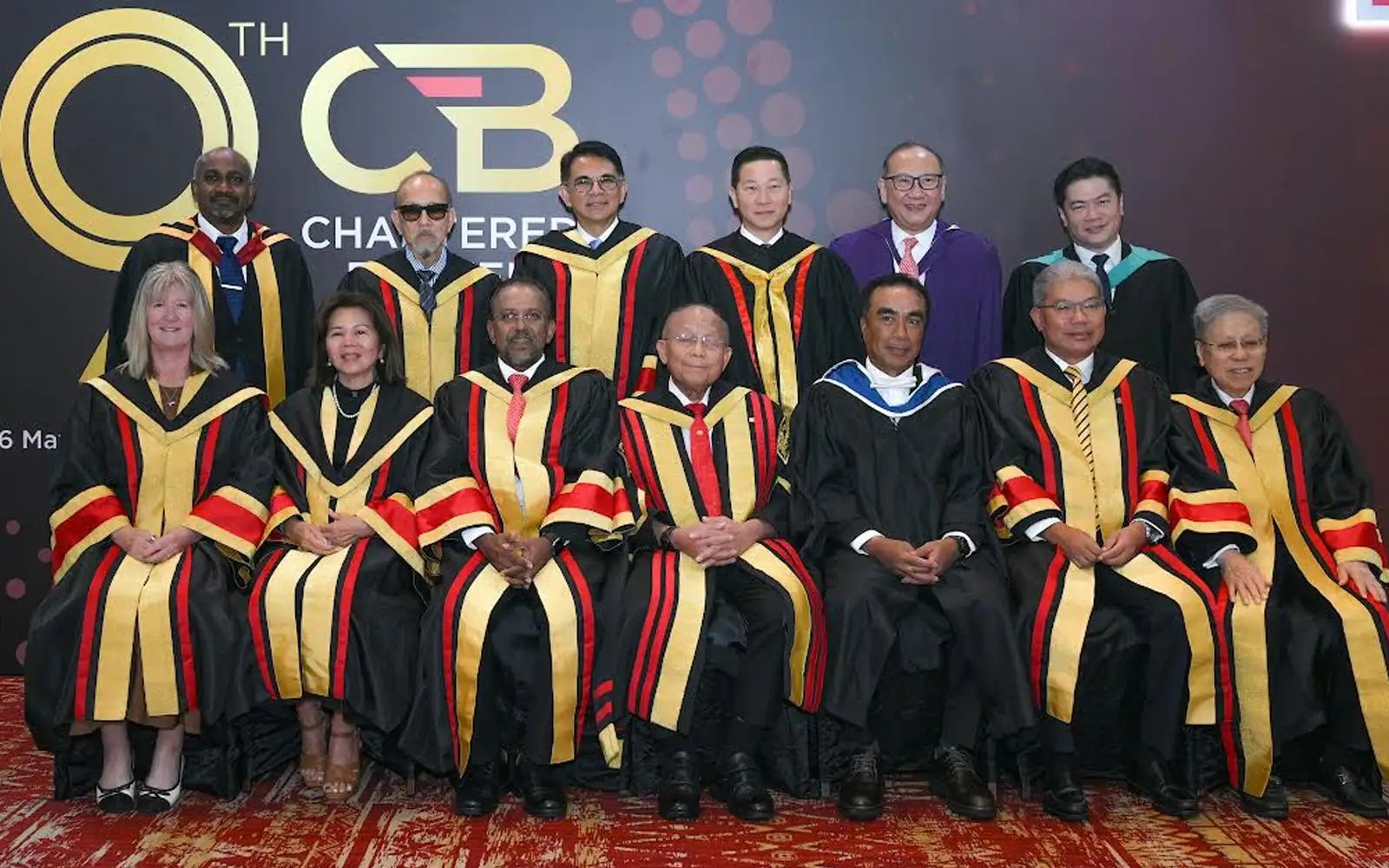
At the ceremony, AICB recognised more than 700 banking professionals, including some from Cambodia, the Maldives and the Philippines.