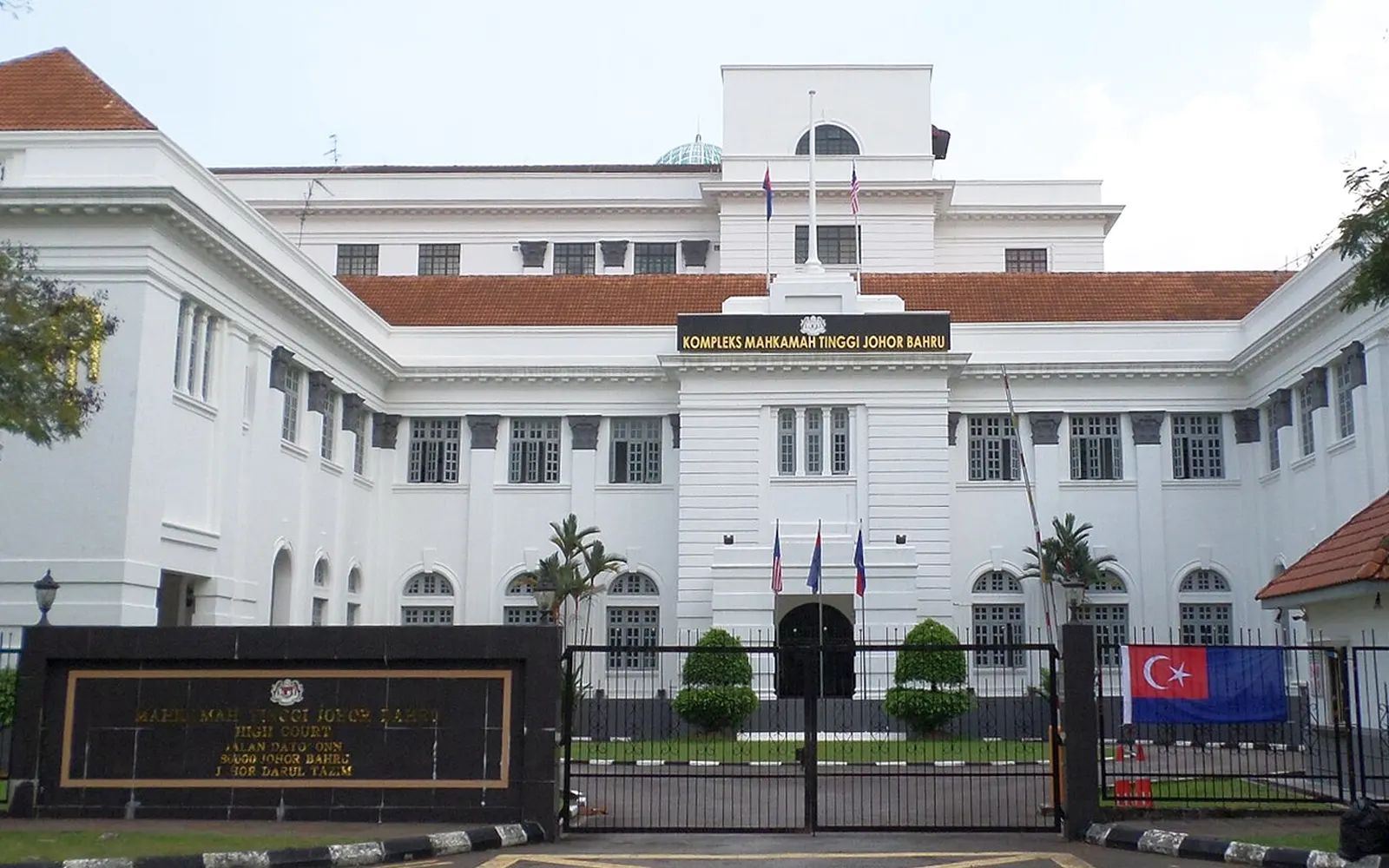
Judicial commissioner Noradura Hamzah said the Industrial Court must now determine whether it is practical to reinstate Wong Sze Shi to her former position or award compensation pursuant to Section 30 and the Second Schedule of the Industrial Relations Act 1967.
Any compensation awarded would be in lieu of reinstatement, calculated based on the employee’s length of service and last drawn salary.
Wong is also entitled to back wages covering her period of unemployment, subject to a maximum of 24 months, with the court required to take into account mitigation of losses and post-dismissal earnings.
Earlier this year, the Industrial Court dismissed Wong’s claim of constructive dismissal against her employer, Broad World Precision Industry (M) Sdn Bhd, arising from her resignation on Jan 8, 2021.
Wong joined the company on July 13, 2015, and her last drawn monthly salary, including fixed allowances, was RM3,085.
In her 29-page judgment released on May 28, Noradura allowed Wong’s appeal, set aside the Industrial Court’s decision, and awarded her RM8,000 in costs.
Noradura said Wong had worked for the company for about five years as a business development executive before being reassigned in November 2020 to the lower position of sales assistant.
The judge noted that Wong’s mobile phone allowance was withdrawn and she was issued warnings of dismissal.
Although the company later withdrew the reassignment, it subsequently issued her with a performance improvement notice, accusing her of poor performance and causing losses without providing details or conducting a proper evaluation process.
After the company failed to respond to her request for clarification, Wong resigned and claimed constructive dismissal.
The Industrial Court rejected her claim, holding that the reassignment issue became academic after it was withdrawn. It also held that the performance improvement notice merely amounted to a warning letter.
However, on appeal, Noradura said the Industrial Court’s findings were “plainly wrong”.
The High Court held that the reassignment amounted to a disguised demotion, particularly as it involved reduced responsibilities, withdrawal of allowances, and threats of dismissal.
Noradura also ruled that the company’s reliance on the transfer clause in the employment contract was misplaced because the clause only permitted transfers between branches, subsidiaries and associated companies, and did not allow for internal downgrading within the same company.
She further found serious flaws in the performance improvement notice process, including the absence of a formal performance evaluation, lack of evidence of losses, failure to provide guidance for improvement, and the company’s failure to respond to Wong’s requests for clarification.
The judge held that these incidents had to be viewed cumulatively as part of a continuing pattern that undermined mutual trust and confidence in the employment relationship.
Counsel Nor Aishah Abdul Rahman and Nur Anis Rokimin appeared for Wong, while Syarifah Nur Nazifah Azmi represented the employer.