The judiciary has repeatedly warned that people deemed to be acting against national security face asset seizures in the wake of January protests and against the backdrop of the war against Israel and the United States.
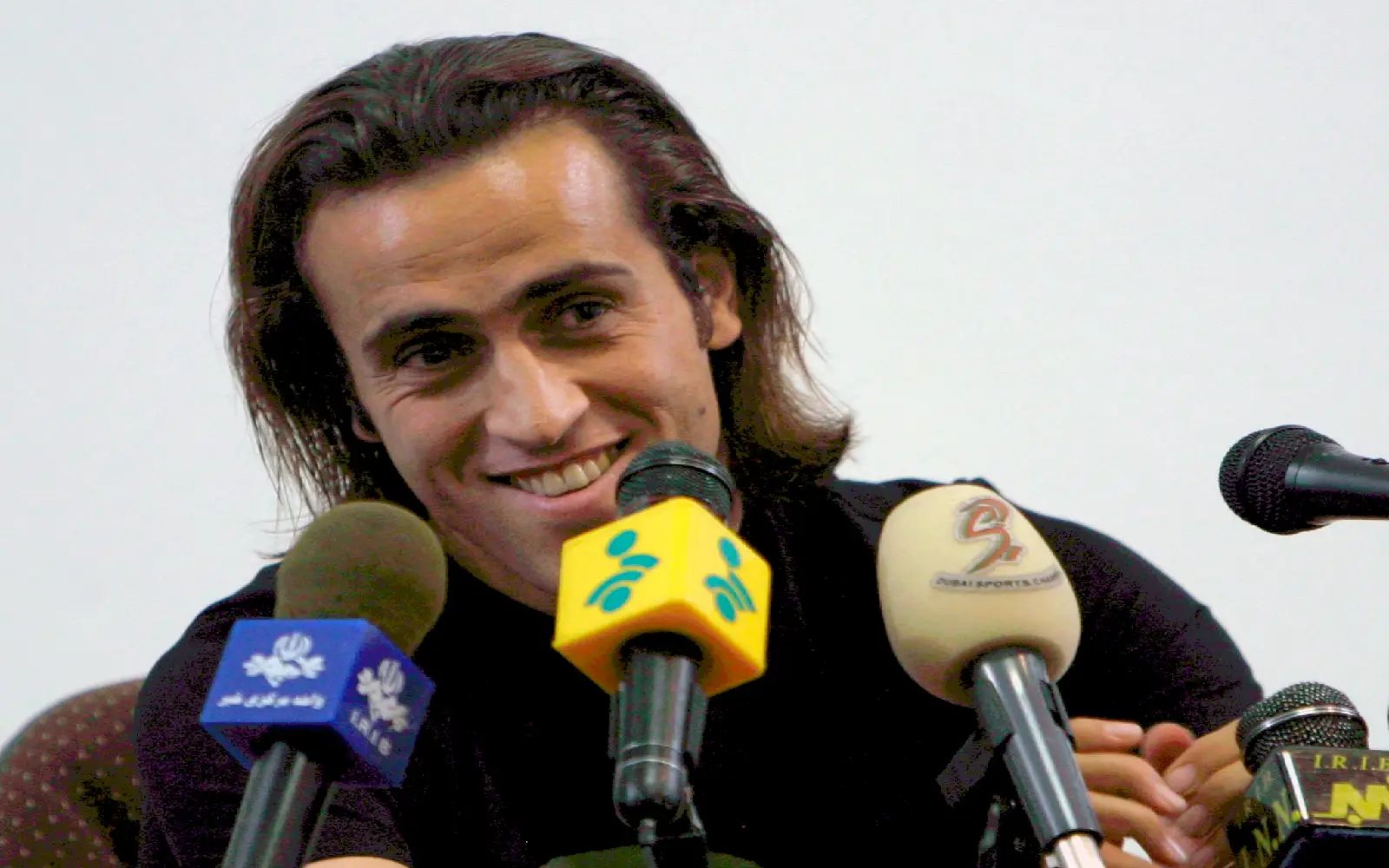
Karimi, who played for Bayern Munich during his career and was dubbed the “Asian Maradona” for his wizardry on the pitch, has in social media posts backed protests against the clerical authorities and also voiced support for the monarchy ousted by the Islamic revolution.
The Iranian judiciary’s Mizan news agency described Karimi as “one of the traitors to the homeland who has been extensively active in supporting the enemy in recent years”.
It said two commercial units and four residential units belonging to Karimi “have been identified and seized by judicial order for the benefit of the people”.
Karimi, who is now believed to be based in the Gulf after leaving in Iran in 2022, has yet to comment.
In 2022, he was charged by Iranian authorities in absentia for supporting the protests that erupted that year over the death in custody of Mahsa Amini, who had been arrested for allegedly violating the strict dress code for women.
In April, the judiciary said authorities had released the assets of Zahra Ghanbari, the captain of the Iranian women’s football team, which had been seized after she made and then withdrew an asylum claim in Australia.
She was among a group of six players and one backroom staff member who sought asylum in Australia in March. Five of them, including Ghanbari, later changed their minds and returned home.
The Iranian men’s team is due to play in the World Cup in the United States in June, in a trip under high scrutiny due to the war.