The predominantly Buddhist country still maintains strict alcohol laws, limiting sales to specific hours and banning them on religious holidays.
Liquor stores, bars and other purveyors were banned from selling alcohol from 2:00 pm to 5:00 pm, but the eased rules permit sales from 11:00 am to midnight during the trial while a committee studies its impacts.
Officials last month reviewed the long-standing 2:00-5:00 pm sales ban, a rule originally introduced to prevent government employees from drinking alcohol during work hours and often puzzling foreign visitors.
“In the past, there were concerns that government employees would sneak out to drink, but it’s a different time now,” deputy prime minister Sophon Saram told reporters last month.
Health Minister Pattana Promphat said the move was “appropriate to the present situation”, according to a statement in the Royal Gazette published on Tuesday.
Despite its reputation as a tourism and nightlife hub, Thailand’s alcohol laws remained rooted in Buddhist teachings that view imbibing as a moral transgression.
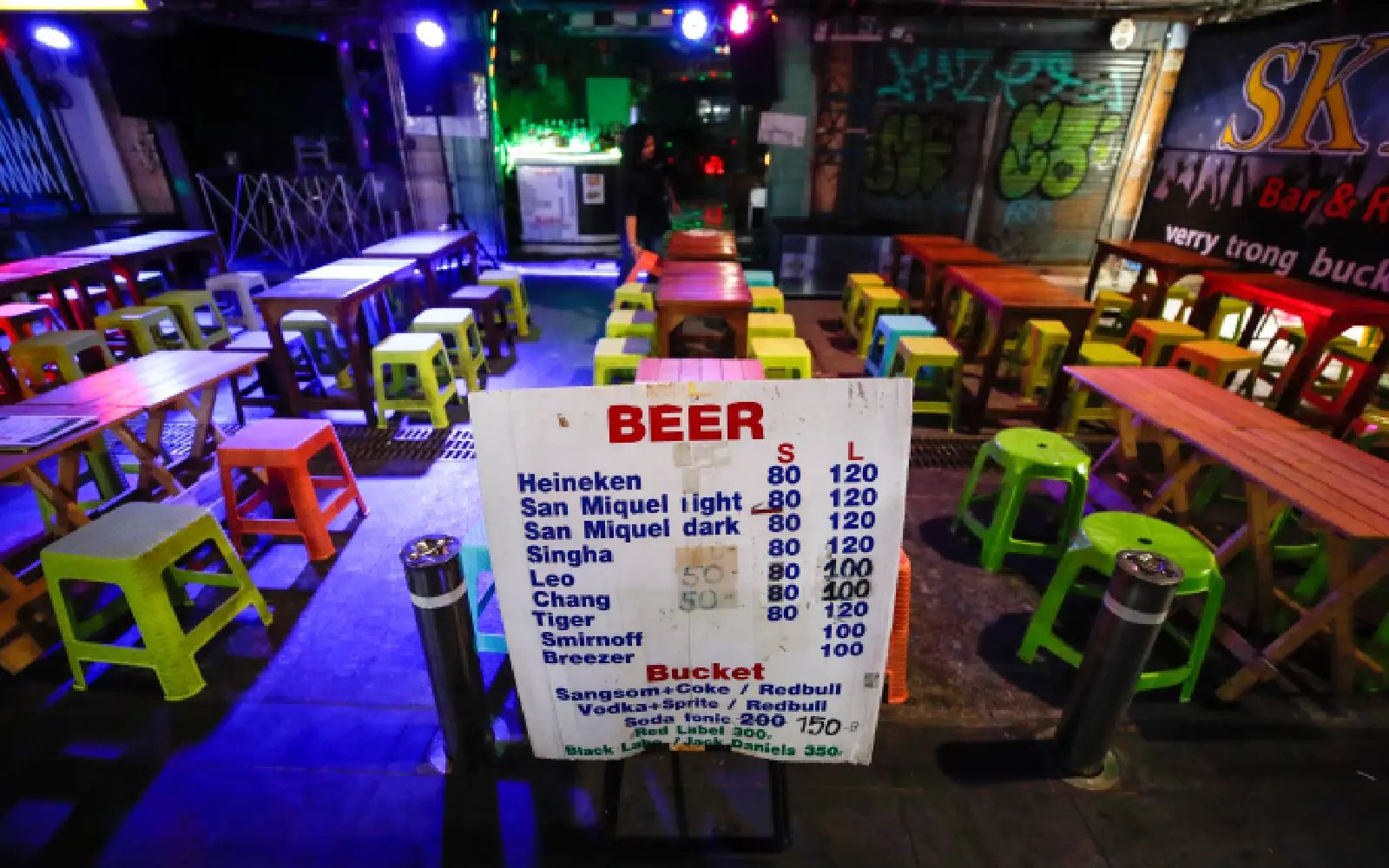
The country has some of the highest alcohol consumption rates in Asia, according to the World Health Organization (WHO), with locals typically reaching for the ubiquitous Chang, Singha and Leo beers.
Thailand ranked 16th out of nearly 200 countries for the most road traffic deaths per capita in 2021, WHO data shows.
Nearly 33,000 people were killed in drunk driving incidents in the country from 2019 to 2023, according to public health ministry figures.