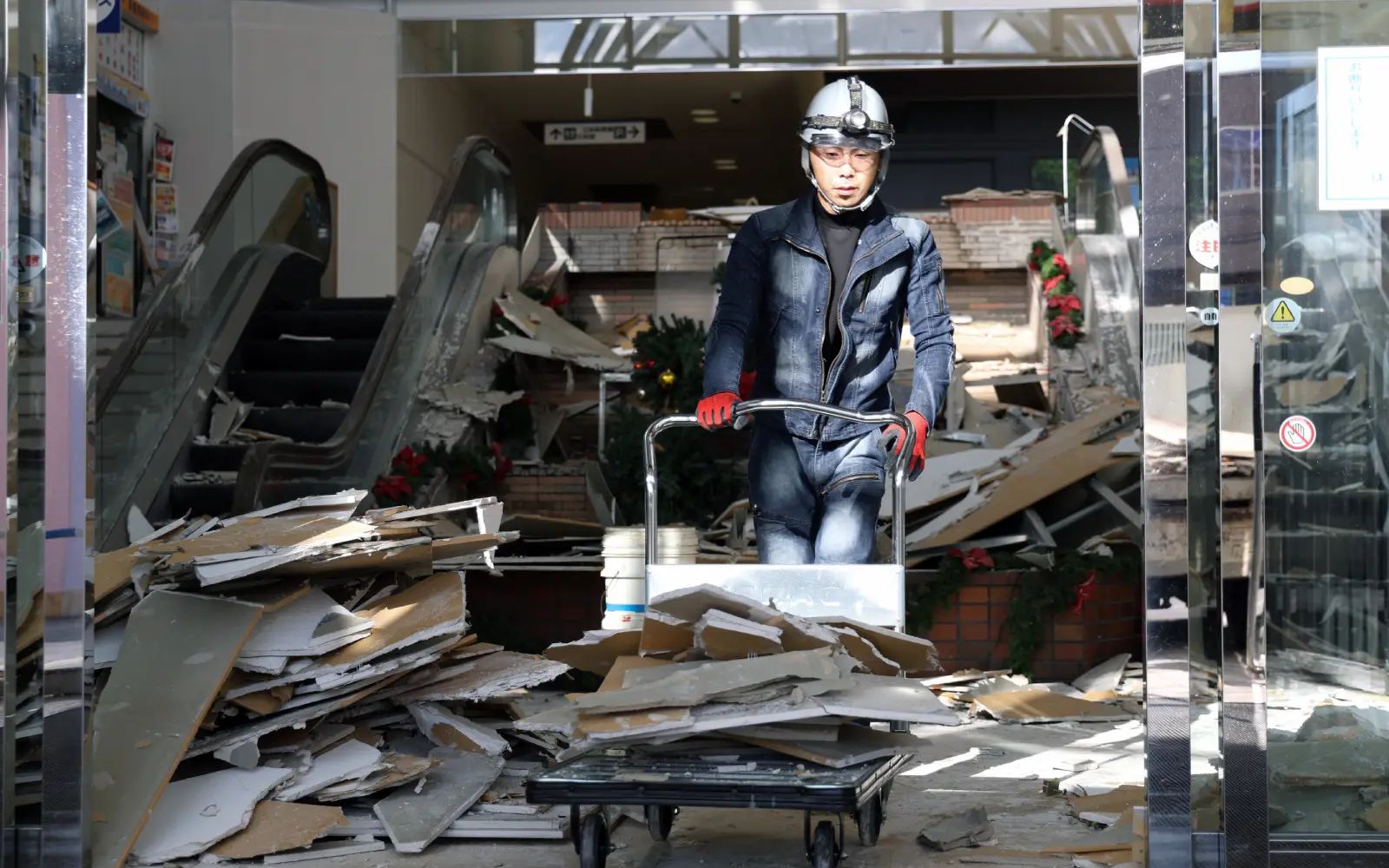
The Dec 8 quake triggered tsunami waves of up to 70cm (28 inches) and injured more than 40 people, but no major damage was reported, according to the Japan Meteorological Agency (JMA) and the Fire and Disaster Management Agency (FDMA).
In the wake of the tremor, JMA officials issued a rare advisory, warning of an elevated risk of a megaquake – defined as a magnitude 8.0 or larger tremor – in the north of the country.
Scientists say that after an earthquake of magnitude 7.0 or larger, there is a 1% chance of a megaquake within seven days, and the advisory urges people to prepare emergency bags should they need to evacuate quickly.
JMA official Issei Suganuma told AFP Tuesday that the “special warning period for residents had expired at midnight”.
“But it doesn’t mean that quakes will not happen again, so we’d like residents to remain vigilant,” Suganuma added.
The JMA said there was still a heightened risk of a megaquake occurring off the northern coast, but it would decline as time passes.
According to the government’s disaster prevention guidelines issued in March, an offshore megaquake in the Hokkaido-Sanriku region – where the latest advisory applied – could cause a tsunami up to 30 metres and kill as many as 199,000 people.
It could also destroy up to 220,000 houses and buildings and cause up to ¥31 trillion (US$200 billion) in economic damage, the guidelines said.