The South Asian nation of 170 million people imports 95% of its oil and gas needs, much of it from the Middle East, where supplies have been restricted after weeks of conflict.
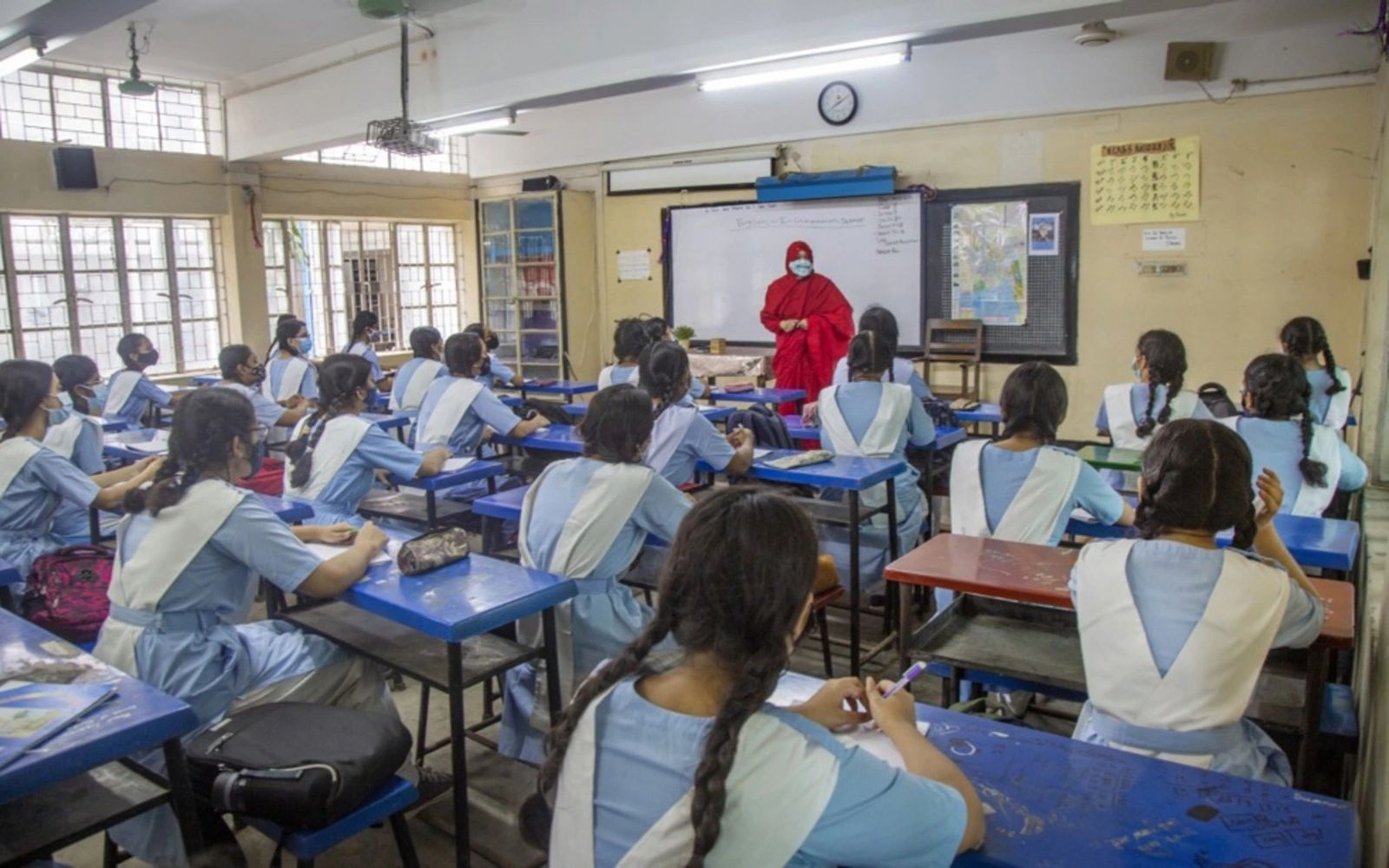
Education minister ANM Ehsanul Hoque Milon said that switching half the school days to online teaching – where institutions have the ability – would help save energy.
“Under the proposed schedule, classes will be held physically on Saturday, Monday and Wednesday, while virtual classes will be conducted on Sunday, Tuesday and Thursday,” Milon told reporters in Dhaka on Thursday.
“It is blended education,” Milon added.
“Only institutions that have the capacity to conduct virtual classes, have a reputation, and draw enough students, and where students mostly come to school by car, will be included,” Milon said.
The education minister said the government has also made it tax free to import of electric buses for schools.
The government has already taken several measures to curb fuel consumption, including setting limits on fuel purchases, and has ordered civil servants to switch off the lights and turn down air conditioning to save power.
Bangladesh is facing multiple challenges.
“A protracted conflict in the Middle East could have significant implications for Bangladesh, including higher inflation, reduced fiscal space due to rising energy subsidies, and a weaker current account caused by high import costs, weaker exports and lower remittances,” the World Bank warned on Wednesday.