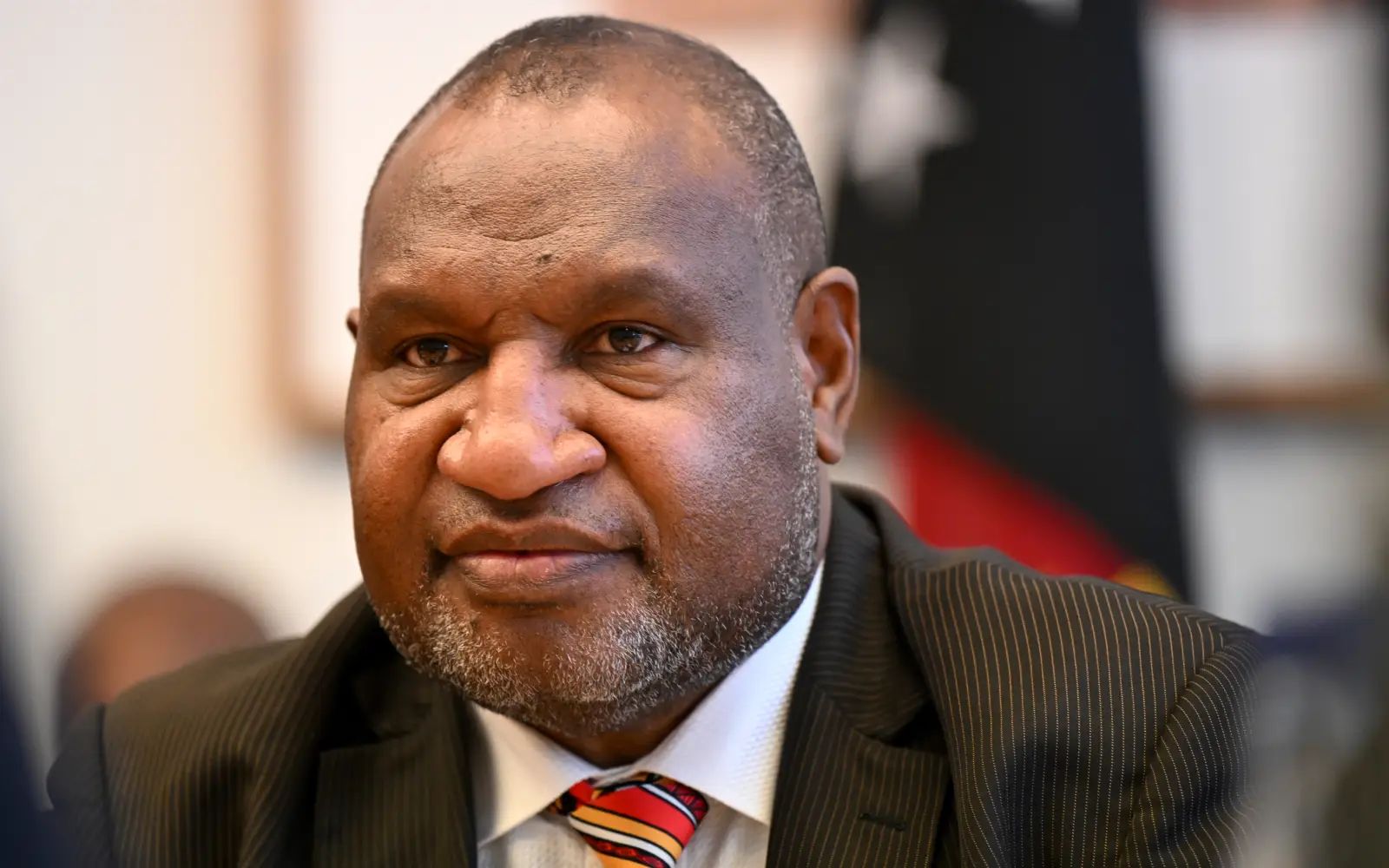
Papua New Guinea’s Prime Minister James Marape said Sunday communication with affected communities was challenging, and relief efforts were being mobilised to provide food, water and temporary shelter.
“Reports are still coming in and are scattered, but we will make sure we reach every place, every island, and every community that has been affected,” Marape said in a statement, announcing plans to travel to Milne Bay province where there were reports of widespread damage.
In Bougainville, an autonomous region of Papua New Guinea that is seeking independence, school was cancelled this week after the cyclone destroyed critical infrastructure including roads and bridges and severely disrupted food supply chains, the region’s government said in a statement Saturday.
Eleven people were killed in the region, including eight in a landslide.
Access to Panguna, home to a gold and copper mine that was once among the world’s largest, had been cut.
The Bougainville autonomous region president, Ishmael Toroama, urged the population to “not lose hope” in a statement Friday.
The weather system began to weaken Saturday and has since been downgraded to a tropical low.
Australia’s foreign minister Penny Wong pledged A$1 million for Papua New Guinea to respond to the cyclone’s impact in Bougainville and Milne Bay.
Another A$1.5 million will be provided to Solomon Islands, where severe impacts have been felt in remote communities across Western and Choiseul provinces.