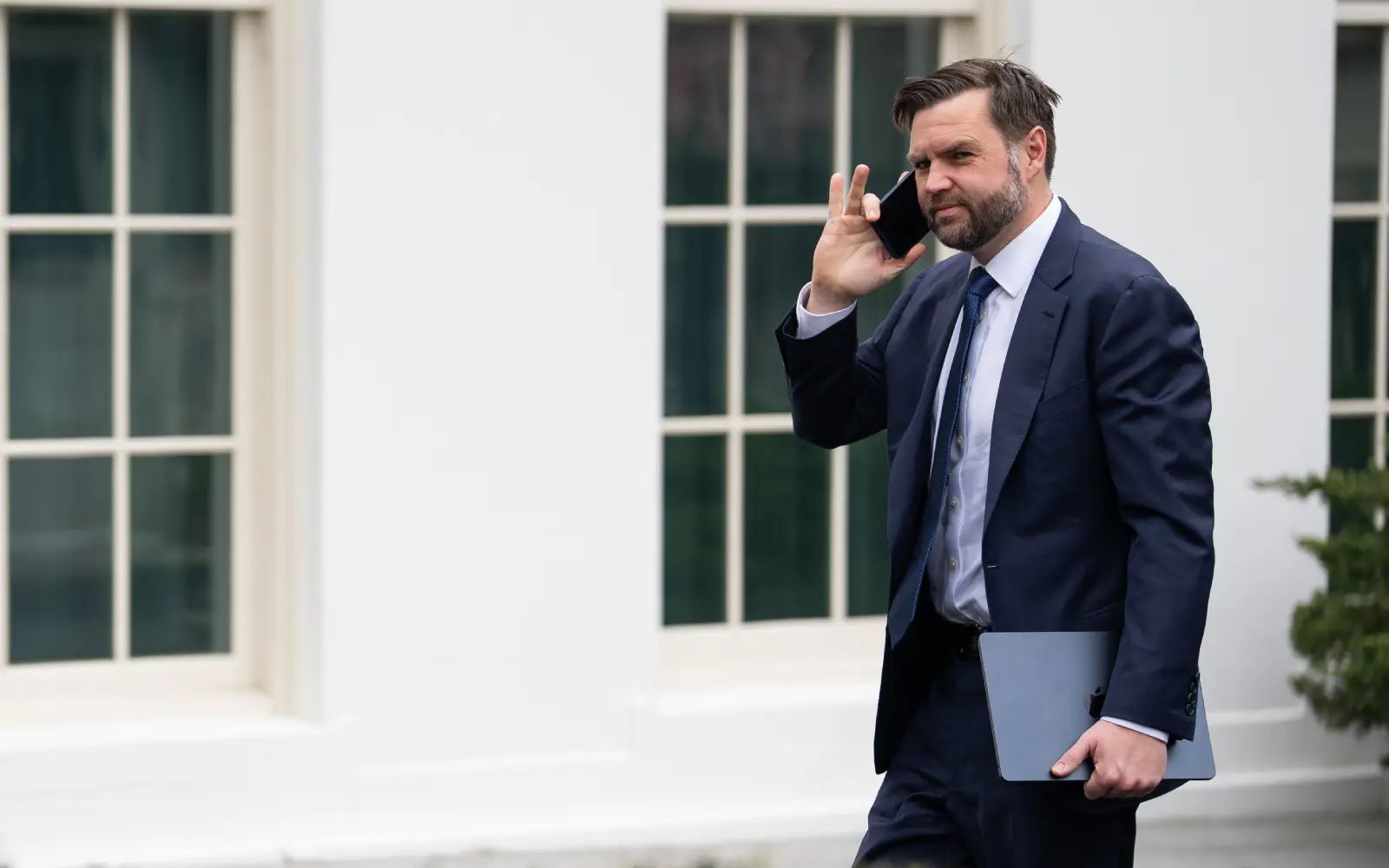
The 41-year-old Vance looked exhausted as he left Pakistan on Sunday after 21 hours that failed to produce an agreement with Tehran to end a war he had never wanted to begin with.
At a terse press conference in Islamabad, Vance delivered the “bad news” and took just three questions before getting on a plane for the long flight back home.
But just before landing there was more bad news.
Days after he rallied with Orban on stage in Budapest, the long-serving Hungarian prime minister had conceded defeat in elections despite an all-out effort by Donald Trump’s administration to save him.
It was a double reality check for the ambitious Vance, who is widely tipped as a frontrunner in the race to be named heir to Trump in the 2028 US presidential election.
On Hungary, Vance insisted that it was still worth the Trump administration backing a man it views as its MAGA disciple in Europe.
“It wasn’t a bad trip at all, because it’s worth standing by people even though you don’t win every race,” Vance told Fox News’ “Special Report with Bret Baier” on Monday.
“We didn’t go because we expected him to cruise to an election victory. We went because we thought it was the right thing to do.”
As one of the administration’s most fervent supporters of far-right parties in Europe, Vance was the ideal person to go and support Orban, on paper.
In Budapest, Vance hailed Orban, who has close ties to Russian President Vladimir Putin as well as to Trump, as a “model” for Europe.
But Vance’s appearance alongside Orban means the White House effectively owned the defeat of one of its closest allies – and the first major setback for its official national security strategy of backing European anti-immigration parties.
‘Things went wrong’
In Pakistan, Vance faced a very different, and arguably even tougher, challenge.
The former Ohio senator built his political brand around his anti-interventionism and was among the most vocal opponents of the Iran war in Trump’s cabinet behind the scenes.
Yet Vance then found himself leading the delegation in the highest-level talks with Tehran for half a century, as he sought to negotiate a way out of one of the foreign wars he had long railed against.
Vance’s frustration was clear as he addressed the media after the marathon talks that went through the night in Islamabad but failed to produce a deal to turn a two-week ceasefire into lasting peace.
“We go back to the US having not gone come to an agreement,” he told reporters in the Pakistani capital on Sunday morning.
But a day later, Vance was casting things in a more positive light.
“I wouldn’t just say that things went wrong, I also think things went right,” Vance told Fox. “We made a lot of progress.”
The fate of the US-Iran talks remains up in the air, with Trump saying that Iranian representatives had called and still wanted to make a deal – even as Washington imposed a naval blockade on Iran’s ports.
Vance said the “ball is in Iran’s court” when it comes to further talks but did not rule them out.
The effect on Vance’s political ambitions also remains unclear.
The battle for the 2028 Republican presidential nomination will begin in earnest after November’s US midterm elections, with Vance expected to face off against secretary of state Marco Rubio.
But while a vice president’s role provides increased visibility for a potential candidate, it can also tie them to the outgoing president’s policies – which, in Trump’s case, are increasingly unpopular.