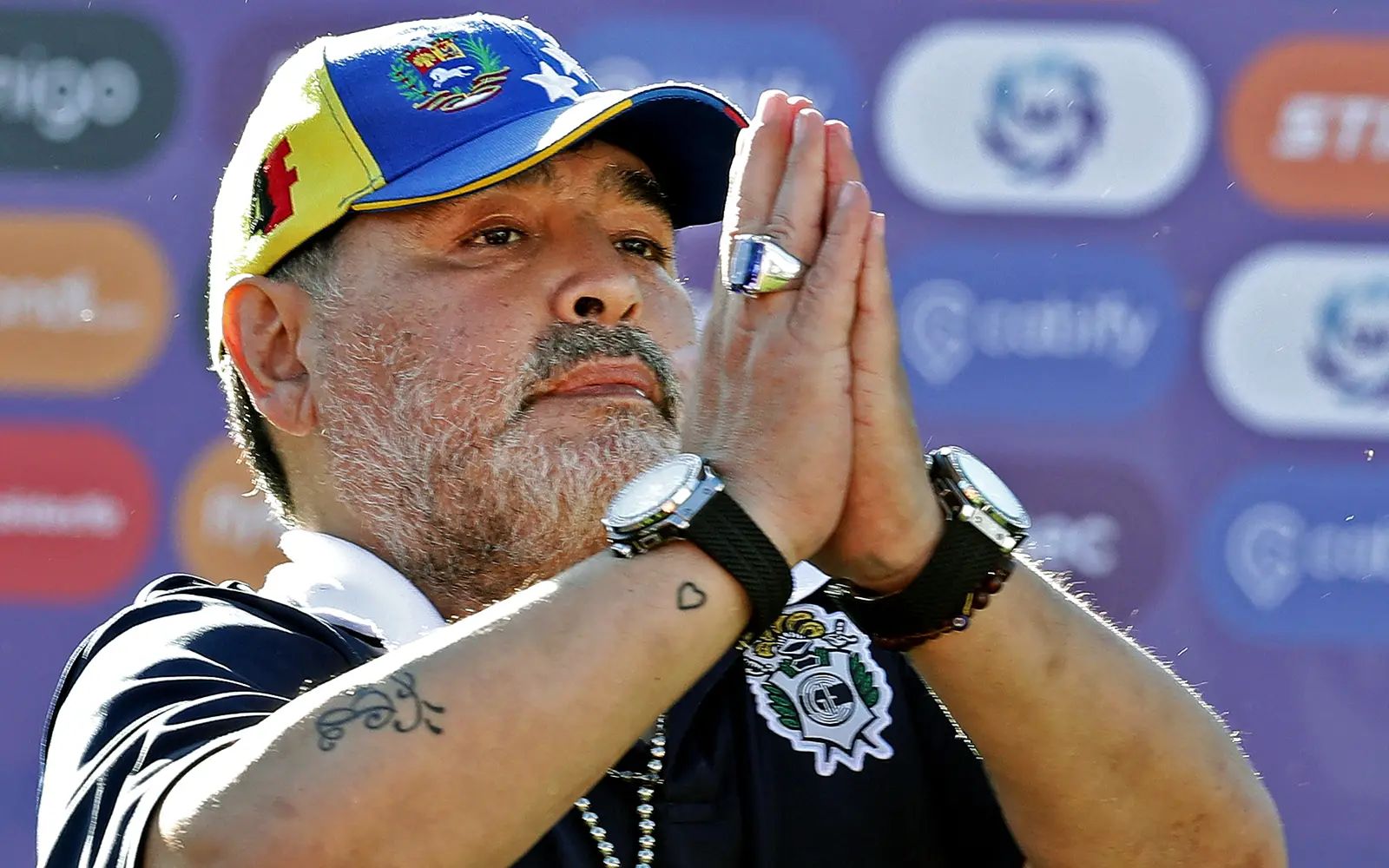
Maradona, considered one of the world’s greatest players ever, died in November 2020 at the age of 60 while recovering from brain surgery at a private residence.
He died of heart failure and acute pulmonary edema — a condition where fluid accumulates in the lungs — two weeks after going under the knife.
His seven-person medical team were indicted over the conditions of his convalescence in the northern Buenos Aires suburb of Tigre, described by prosecutors as grossly negligent.
But two and a half months into their trial, after hours of sometimes tearful testimony from witnesses, including Maradona’s children, the proceedings came to a halt.
The trial was annulled in May 2025 after it emerged that one of the judges overseeing the trial was involved in a documentary about the case, potentially breaking ethics rules.
The judge, Julieta Makintach, was later impeached.
The new trial, which will hear from some 120 witnesses, will again seek to determine if Maradona’s medical team is responsible for his death.
Seven health care professionals —- doctors, psychologists, and nurses — who were treating him at the time of his death are accused of homicide with possible intent — pursuing a course of action despite knowing it could lead to death.
They risk prison terms of between eight and 25 years if convicted.
The defense maintains the larger-than-life Maradona, who battled cocaine and alcohol addictions, died of natural causes.
The trial is expected to last until July.
Meanwhile, the childhood home of Maradona has been transformed into a soup kitchen for people squeezed by President Javier Milei’s austerity policies.
The needy can also ask for clothing at 523 Amazor street in the Buenos Aires suburb of Fiorito, where the player dubbed Argentina’s “Golden Boy” grew up in grinding poverty.
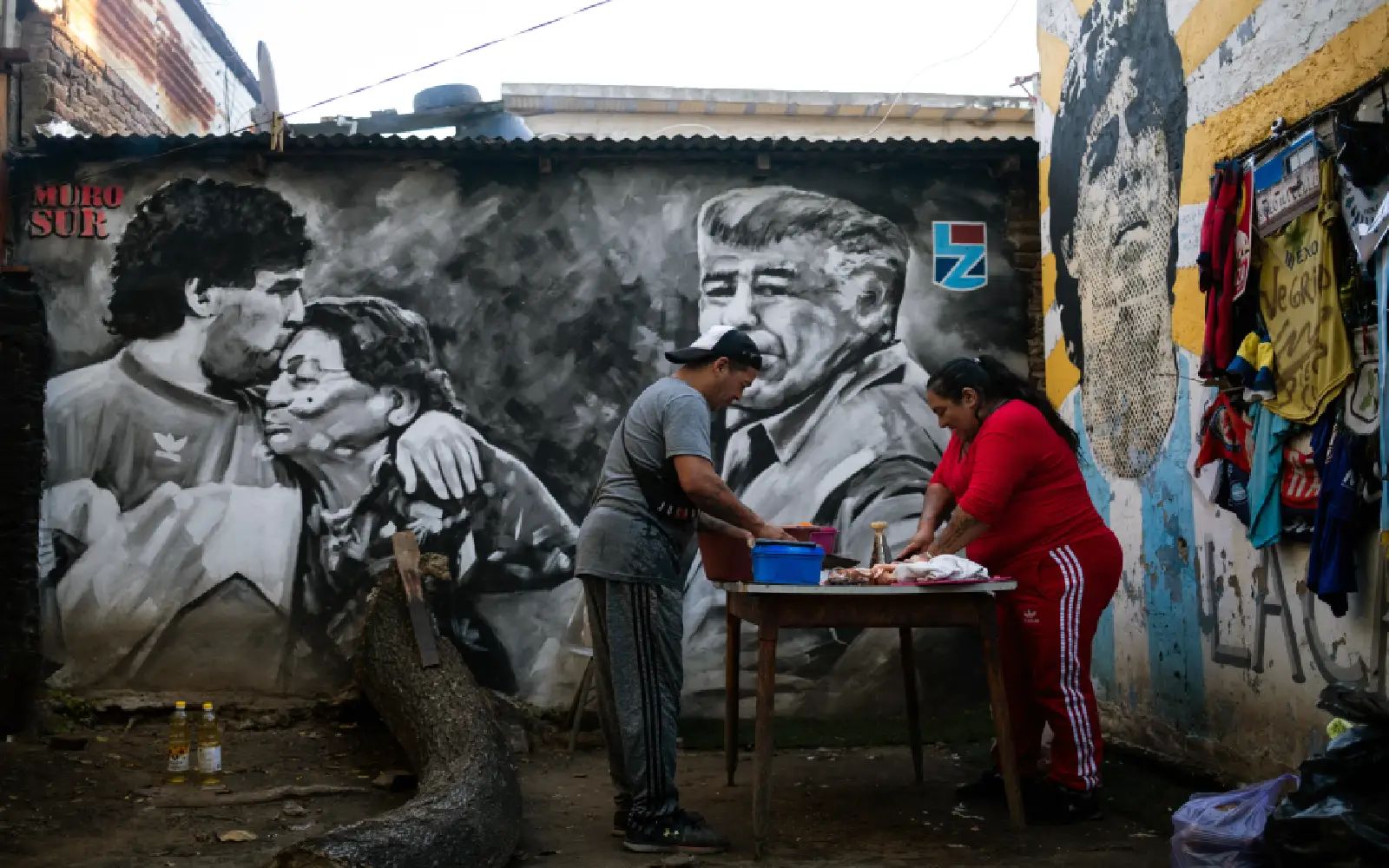
In this neighborhood of around 50,000 people living in modest brick homes, dozens of murals depict key moments in the career of the illustrious number 10, who died in 2020 at the age of 60.
In Fiorito, neighbors come and go to “Diego’s house,” as they call it, lugging containers which volunteers fill with chicken stew or other meals cooked in giant cauldrons in the yard.
Cumbia music — Maradona’s favorite genre — blares from speakers.
If he were alive “Diego would say there is a lot of hunger and we have to help, because the need is so great,” Diego Gavilan, one of the kitchen’s beneficiaries, told AFP.
Gavilan collects cardboard and scrap metal for a living but it no longer puts food on the table.
“You can’t make ends meet,” Gavilan said.
Gavilan said he was glad to accept help from Maradona’s old home.
“He suffered so much hunger here as a child. For the people of the neighborhood to receive a plate of food is special,” he said.
There are no tables or chairs for diners at this establishment.
The food prepared by volunteers over open fires in the yard is handed out in bags to people queueing at the door.
Maradona often spoke of his humble beginnings in a community that lacked running water and paved streets.
Sixty-six years after his birth, hardship is etched in the faces of those queueing for food.