Nato-member nations that border the warring sides are facing increasing risks as overnight air barrages intensify, with Latvia’s government collapsing in recent weeks due to scrutiny of its defence capacities following a stray Ukrainian drone incursion.
“During the night of May 28-29, the Russian Federation resumed drone attacks on civilian and infrastructure targets in Ukraine, near the river border with Romania,” the Romanian defence ministry said.
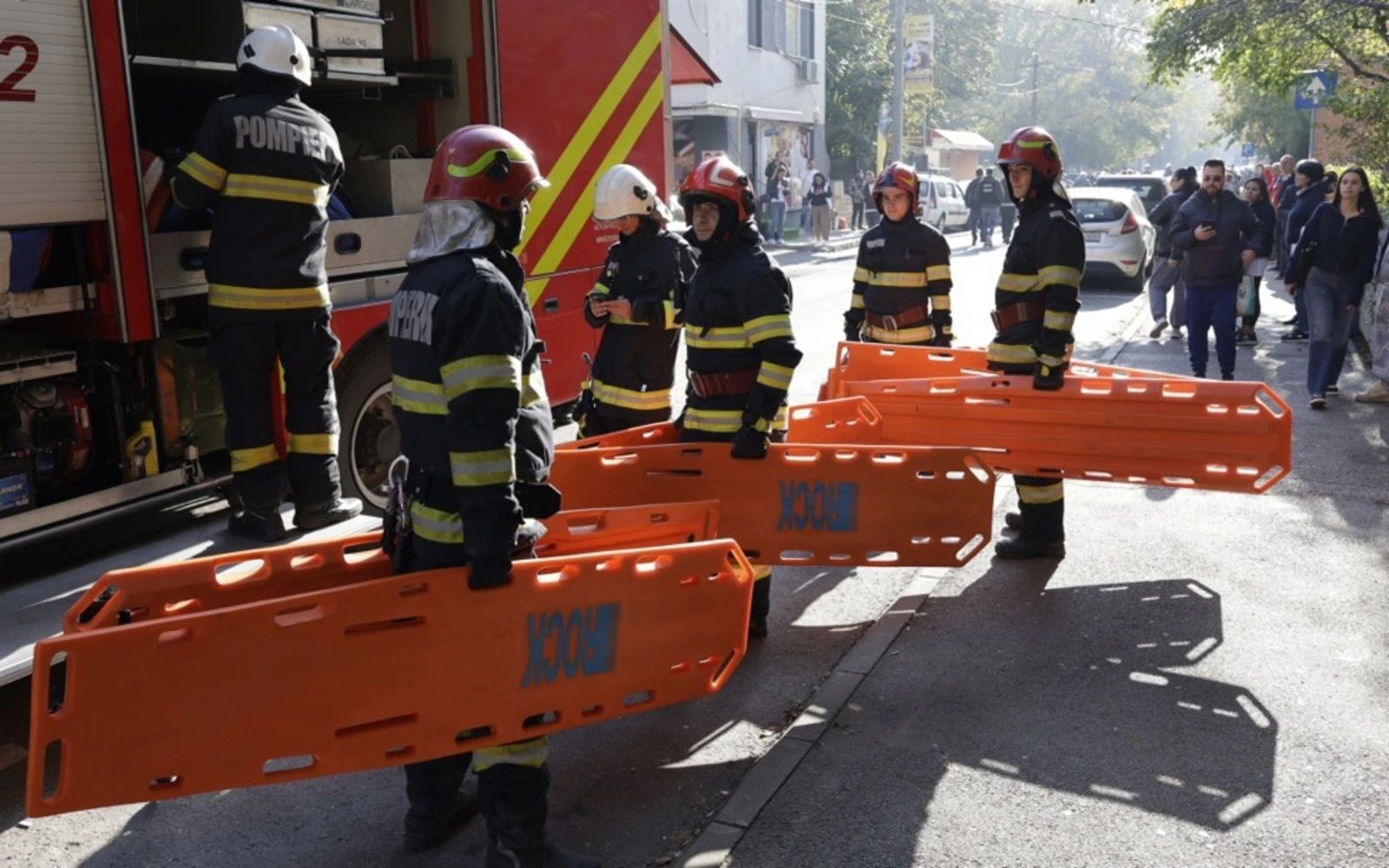
“One of these drones entered Romanian airspace, was tracked by radar as far as the southern part of the city of Galati, and crashed onto the roof of an apartment building, with the impact triggering a fire,” it said.
The two wounded people were hospitalised, according to the defence ministry. Emergency services said the fire had been extinguished.
“This incident represents a serious and irresponsible escalation on the part of the Russian Federation,” the ministry statement said, adding Bucharest had informed the Nato secretary general and “requested measures to accelerate the transfer of anti-drone capabilities to Romania”.
“Such incidents… endanger not only the safety of Romanian citizens but also Nato’s collective security,” it said.
Drone incursions in Romania have been detected dozens of times since the start of the Russian offensive against Ukraine in 2022, but the latest incident was the first time one had hit a residential building.
“Two F-16 fighter jets were scrambled after the drones were detected in Romanian airspace,” the defence ministry said.
A nationwide air raid alert had been issued in neighbouring Ukraine overnight in anticipation of Russian strikes, with at least two people wounded following the attack in southern Ukraine’s Zaporizhzhia, according to local authorities.
Growing threats
Ukraine’s navy said on Friday that a Russian drone had hit a Turkish cargo ship that had left the port city of Odesa, sparking a fire and wounding two crew members.
Russia, meanwhile, said its air defences had intercepted more than 200 Ukrainian drones overnight.
The attacks followed a series of Russian strikes on Ukraine on Saturday in one of the most severe attacks since the start of the war.
Russia has been threatening to escalate bombardments in retaliation for a Ukrainian strike that, according to Moscow, killed 21 people at a school in occupied Ukrainian territory.
Moscow announced Monday it had started a campaign of “systematic” strikes on Kyiv, after battering Ukraine with hundreds of drones and a hypersonic missile over the weekend, and called for diplomats and foreigners to leave the Ukrainian capital.
Ukrainian President Volodymyr Zelensky has urged the US to provide more ammunition for its Patriot air defence systems to counter Russian ballistic missiles, according to a document reviewed by AFP this week.
Nato-member states bordering Ukraine or Russia, including Romania, Latvia, Estonia and Poland are increasingly exposed to incursions into their territory by drones from both warring sides.
Latvia, which borders Russia, appointed a new government on Thursday, two weeks after the collapse of the previous administration due to a row over stray Ukrainian drone incursions, which exposed the weaknesses of the country’s air defences.
The former Latvian prime minister had accused her defence minister of not deploying anti-drone defences fast enough to parry two wayward Ukraine attack drones, which are thought to have been knocked off course by Russian jamming.
The drones caused minimal damage but sparked widespread concern in the former Soviet republic, which is now a member of Nato and the EU.
Zelensky has offered to send experts to Latvia to help it boost its air defences.
Diplomatic efforts to end the four-year war have stalled since Washington’s attention was diverted in February due to its conflict with Iran.
The EU’s top diplomat on Thursday ruled out Europe acting as a “neutral mediator” between Ukraine and Russia, after foreign ministers from the bloc’s 27 countries debated their terms for possible talks with Moscow.
Ukraine has pushed for Europe – sidelined until now by Washington – to play a bigger role and suggested nominating a representative for talks but the EU’s foreign policy chief said it could not be a “neutral mediator” given its support for Ukraine.