In power since 2018, Abiy is criticised for growing authoritarianism and a crackdown on dissent, in contrast to his early years in power when he won the Nobel Peace Prize for mending relations with neighbouring Eritrea.
Opposition parties and analysts fear this election will be even less open than previous votes with the opposition in disarray and the country facing multiple internal conflicts and ethnic divisions.
The election is “likely to be among the least competitive of the seven national elections held since multiparty democracy was introduced in 1991,” Ahmed Soliman and Abel Abate Demissie of the Chatham House think tank wrote last week.
Abiy’s PP won 96% of the seats in the last election in 2021.
The opposition is running with scant financial resources and is divided across more than 40 parties. In dozens of constituencies, the ruling party is running unopposed.
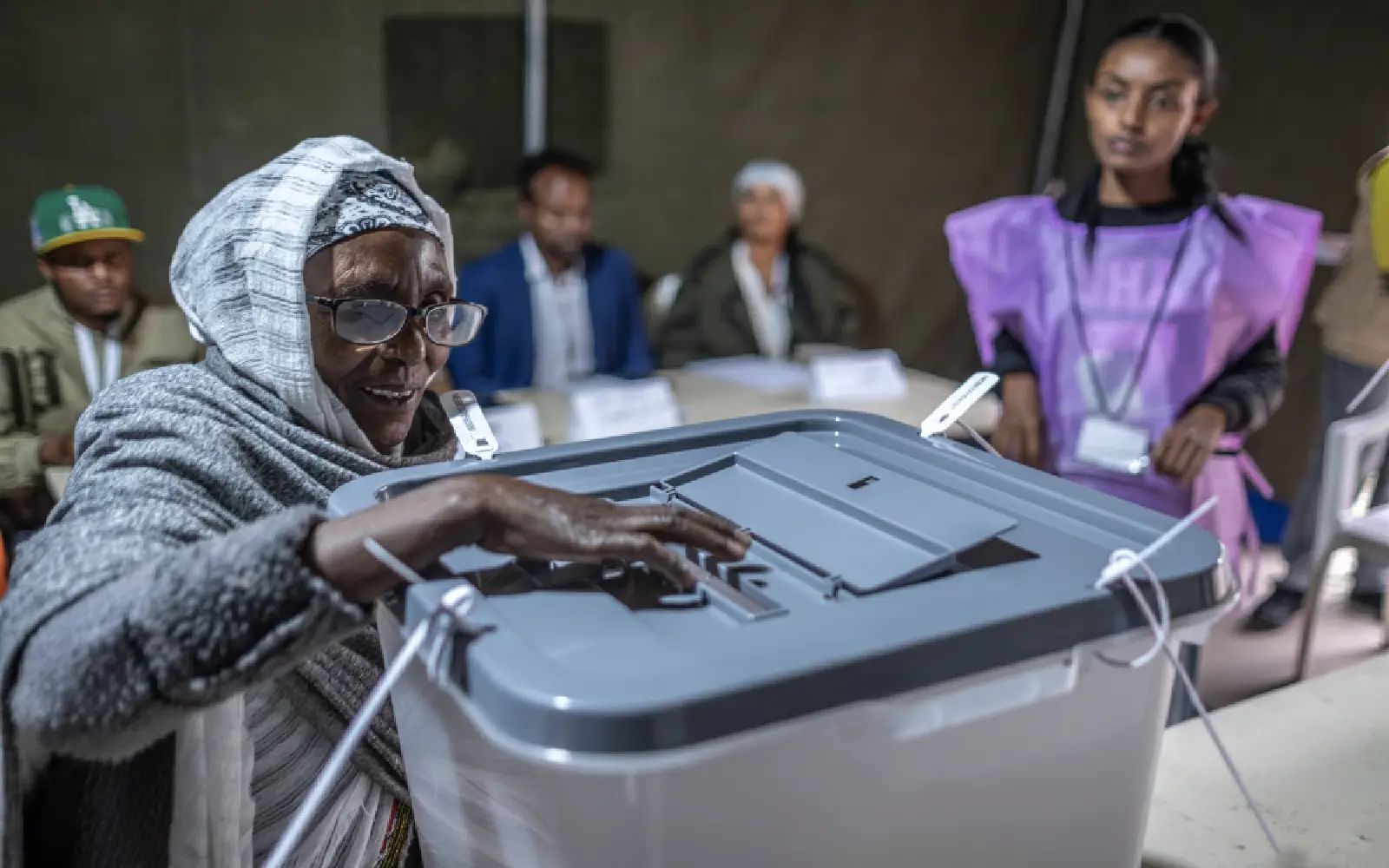
Polling stations opened at 6 am (0300 GMT) and are due to close at 6 pm, with more than 50 million people eligible to vote across 48,000 polling stations in the vast territory.
“Certain conditions could extend this timeframe by a few hours,” an electoral commission (NEBE) member told AFP, without giving further details.
Results are expected some 10 days after the polls close.
Armed conflicts
No election is taking place in the northern region of Tigray, due to ongoing tensions between regional and federal authorities. More than a million people remain displaced from their brutal civil war of 2020-2022.
“Many challengers to the ruling PP will not contest the elections,” Chatham House noted.
“Some are in exile, some are banned, some are imprisoned, and many may see little incentive to abandon their armed struggle against the government. This severely constrained political landscape and election process at best resembles an elite bargain.”
Ethiopia’s economy remains a major bright spot, thanks largely to years of reforms under previous governments.
The International Monetary Fund forecasts growth of more than 9% this year — one of the globe’s highest rates.
But Ethiopia faces conflict in its two most populous states, Oromia and Amhara.
In Amhara, with a population around 20 million, Fano nationalist militias have been fighting federal forces and have threatened to disrupt the electoral process, though the National Election Board has cancelled voting in only eight of its 137 constituencies.
The Board insists polling stations will open throughout the vast Oromia region covering one third of the country, where Oromia Liberation Army rebels have been operating since 2018.
Observers from the African Union, headquartered in Addis Ababa, as well as the East African regional bloc IGAD, are monitoring Monday’s poll.
But the Ethiopian government did not accept the European Union’s proposal to send observers, according to an EU source.